
Equipment
Home safety and access
Grab bars, ramps, thresholds, and lighting. Most of these are cheap and get installed years later than they should have been.
How to use this page
Every item below is listed with what it is for, the price band to expect, and the brands you will actually see. Ask your occupational or physical therapist which of these fits before you buy: much of it is covered as durable medical equipment with a physician order.
About the product links on this page. Where we link to a specific product, we earn a commission if you buy through it. It does not change the price you pay, and it does not influence which equipment we cover.
Home safety and access: 9 items
Takes some weight, Transfers
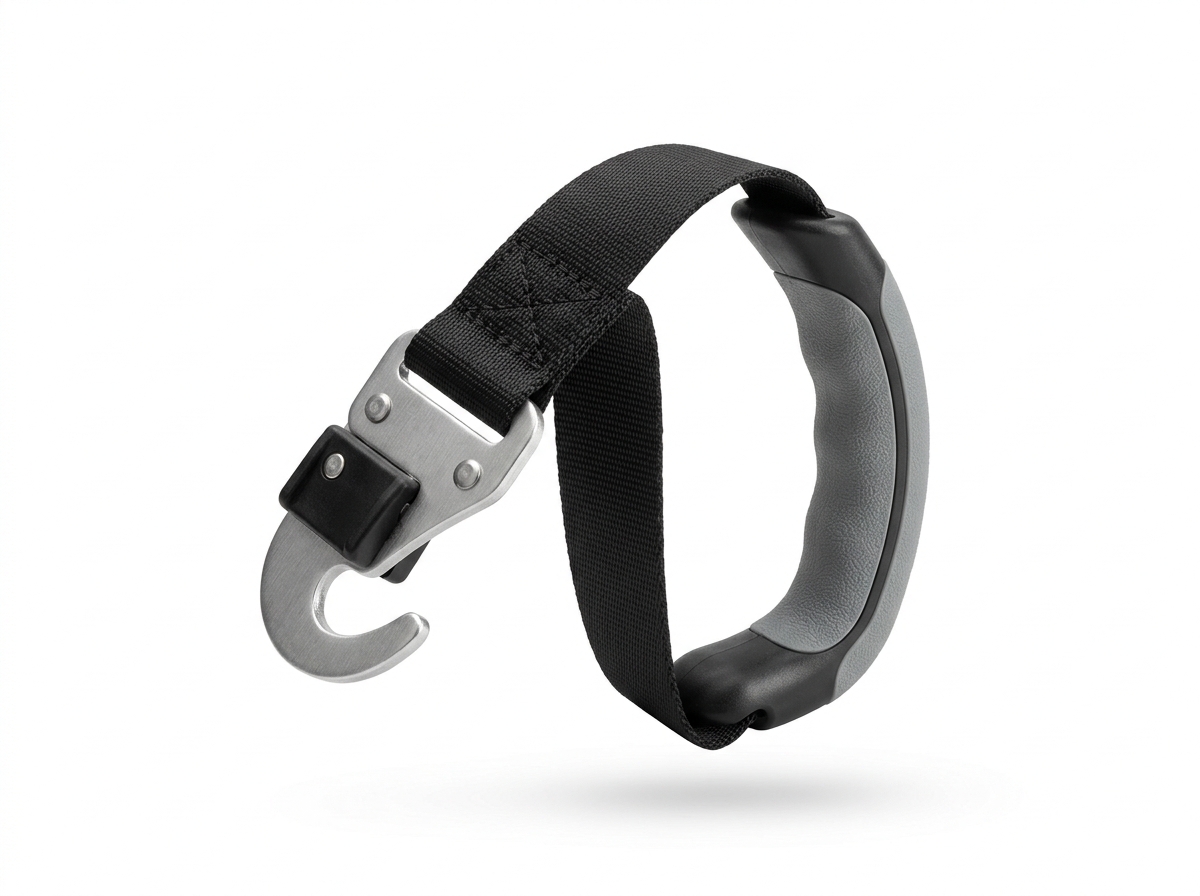
Car transfer handle / standing aid
Door-latch handle for car transfers
- Typical price band
- $10–$20
- Brands you will see
- Stander HandyBar, Vive
- Typical rating
- ~4.6★
- Commonly used for
- Car transfers
Takes some weight, Transfers
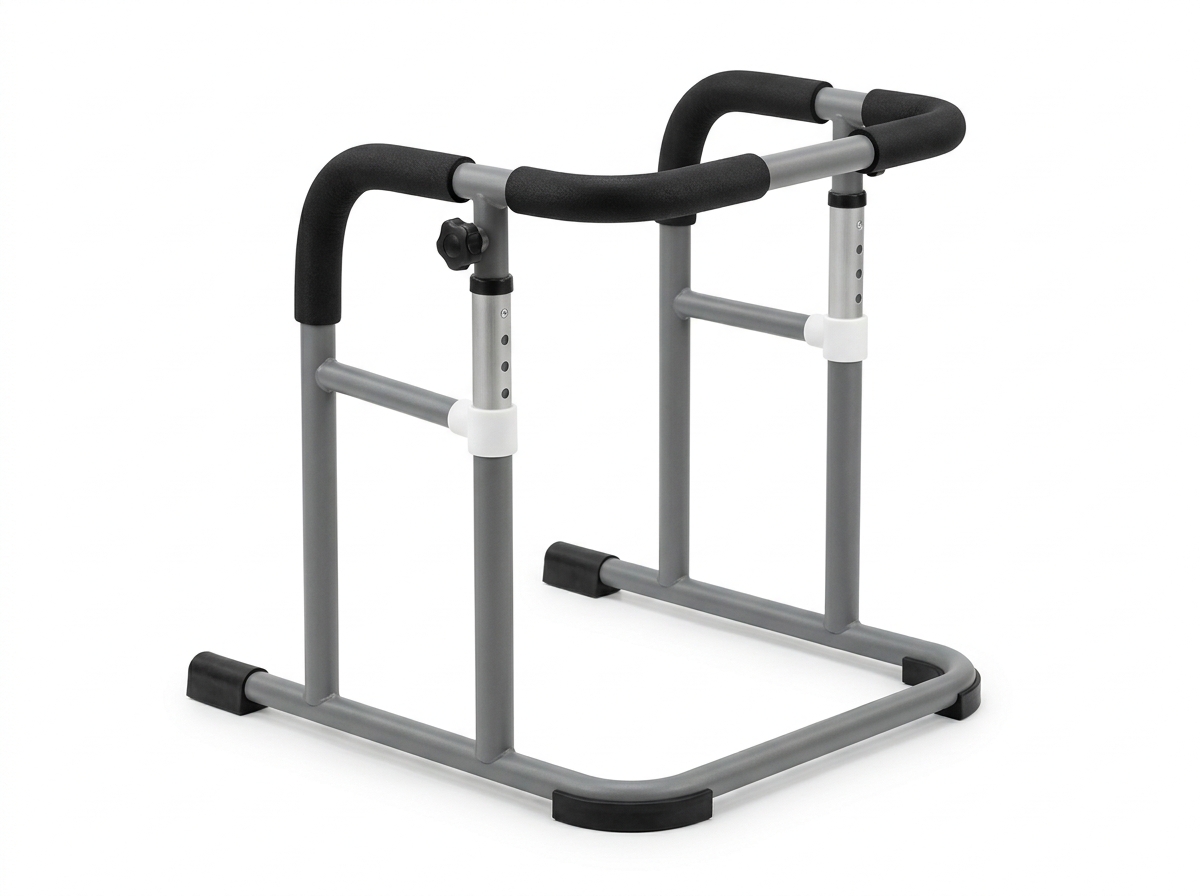
Couch / chair stand-assist rail
Push-up support to rise from a chair
- Typical price band
- $40–$80
- Brands you will see
- Stander, Able Life
- Typical rating
- ~4.5★
- Commonly used for
- Sit-to-stand
Takes some weight, Transfers
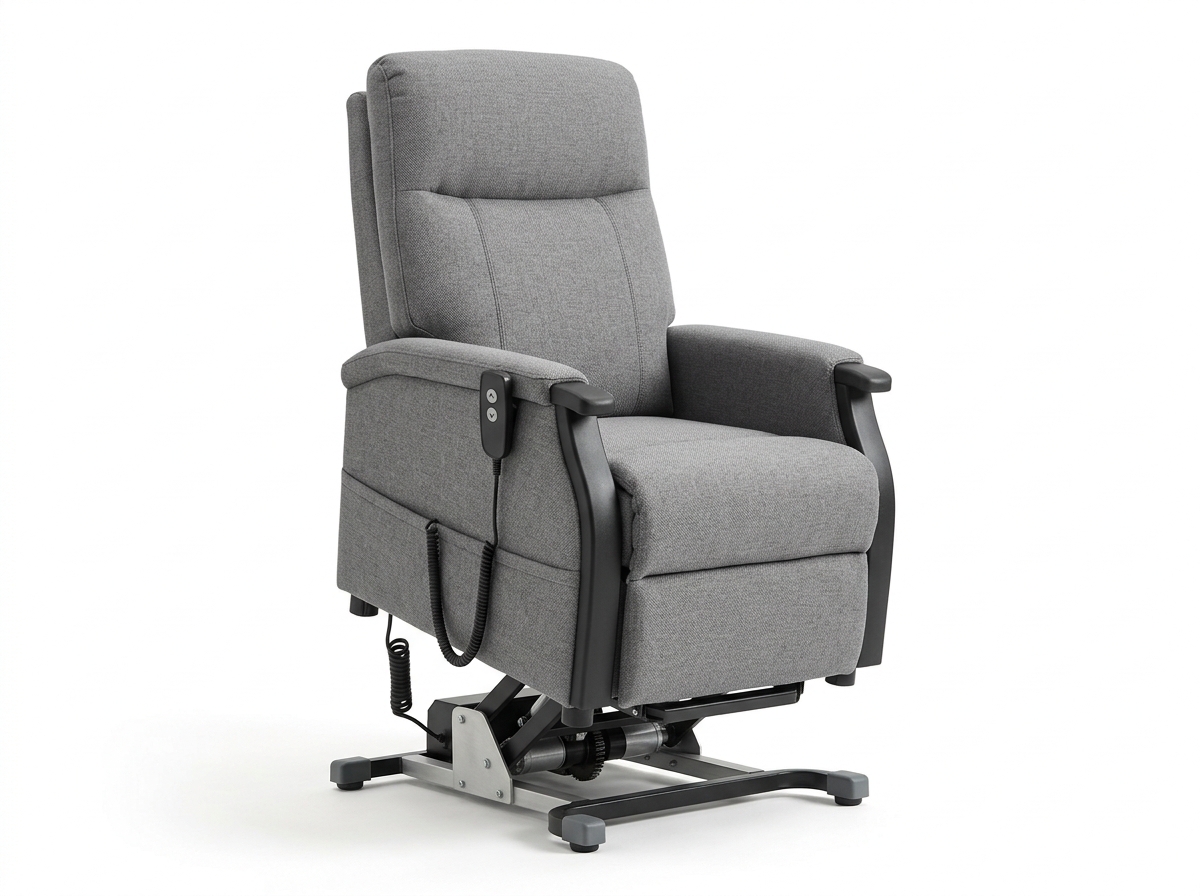
Lift chair recliner (power)
Powered recline + lift to standing
- Typical price band
- $400–$900
- Brands you will see
- Esright, YITAHOME, Pride
- Typical rating
- ~4.4★
- Commonly used for
- Sit-to-stand, General
Walks with help, Balance and falls
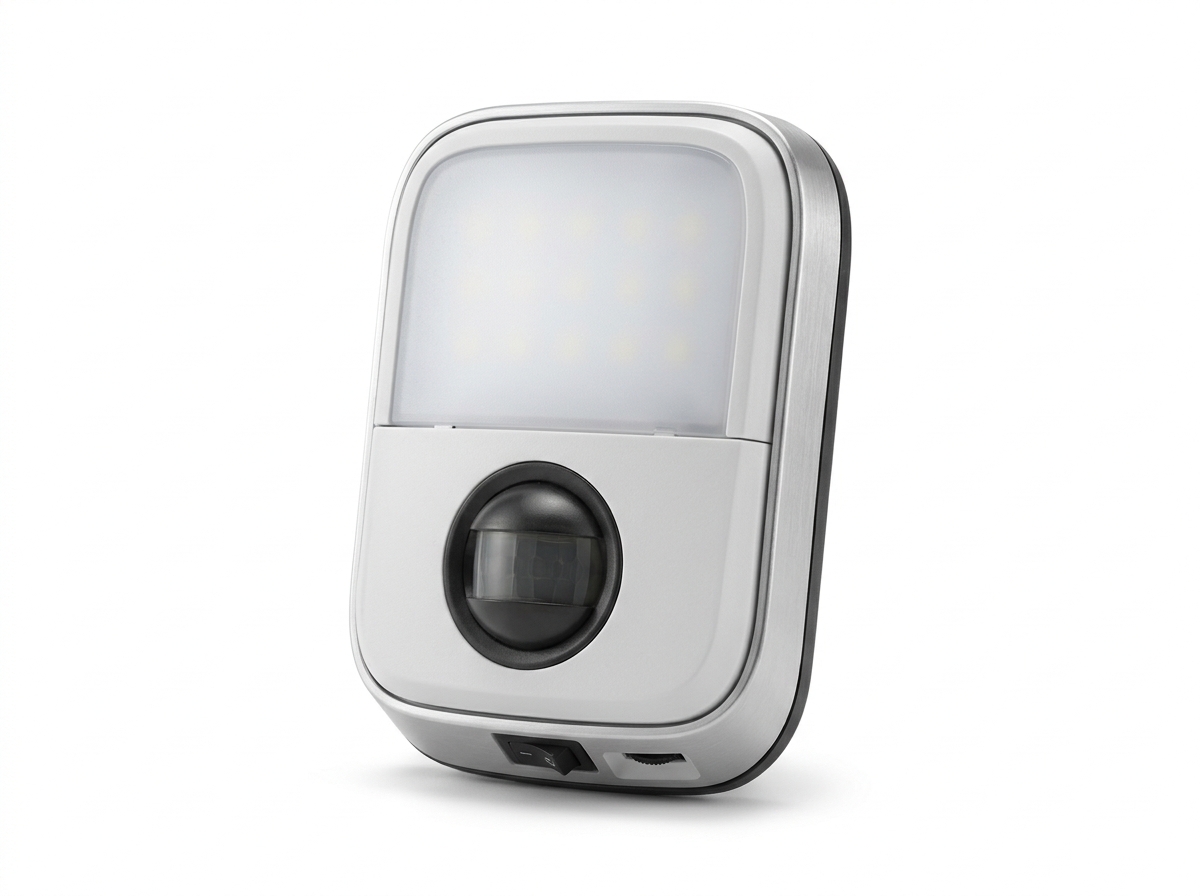
Motion-sensor night lights
Light the path to prevent night falls
- Typical price band
- $15–$30
- Brands you will see
- GE, AMIR, Vont
- Typical rating
- ~4.6★
- Commonly used for
- Fall prevention
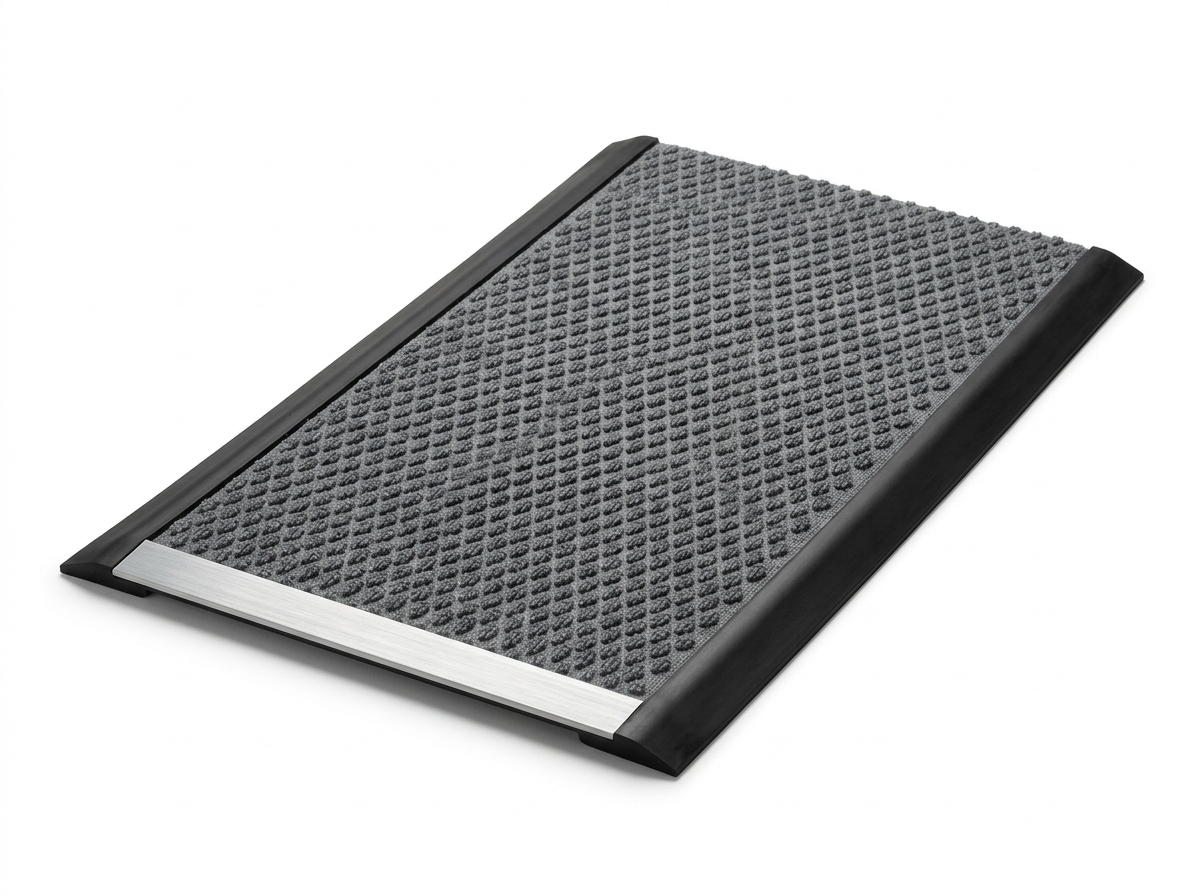
Walks with help, Balance and falls
Non-slip stair treads / rugs
Traction on stairs & floors
- Typical price band
- $15–$35
- Brands you will see
- Gorilla Grip
- Typical rating
- ~4.6★
- Commonly used for
- Fall prevention
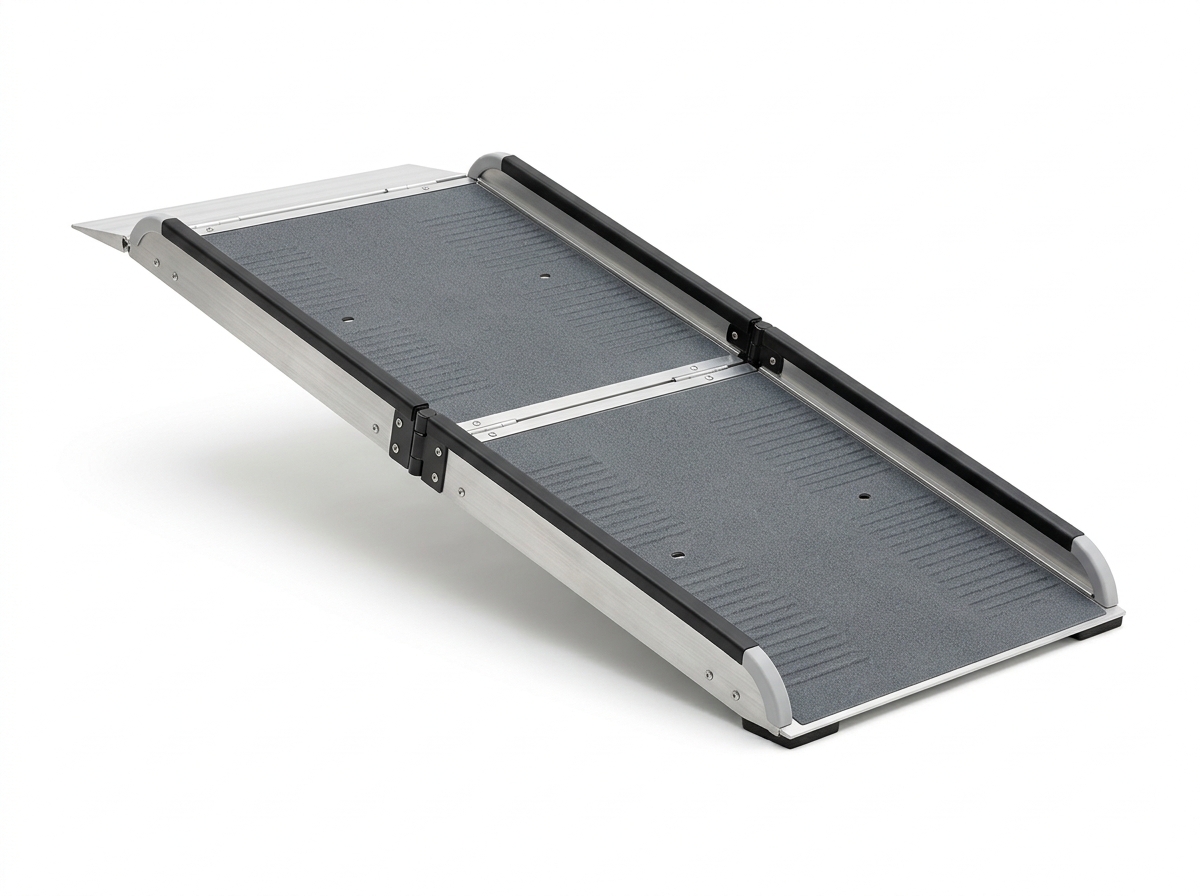
Getting around
Portable / folding wheelchair ramp
Ramp for steps, vans, entries
- Typical price band
- $60–$300
- Brands you will see
- Ruedamann, Titan, EZ-ACCESS
- Typical rating
- ~4.7★
- Commonly used for
- Wheelchair, Scooter
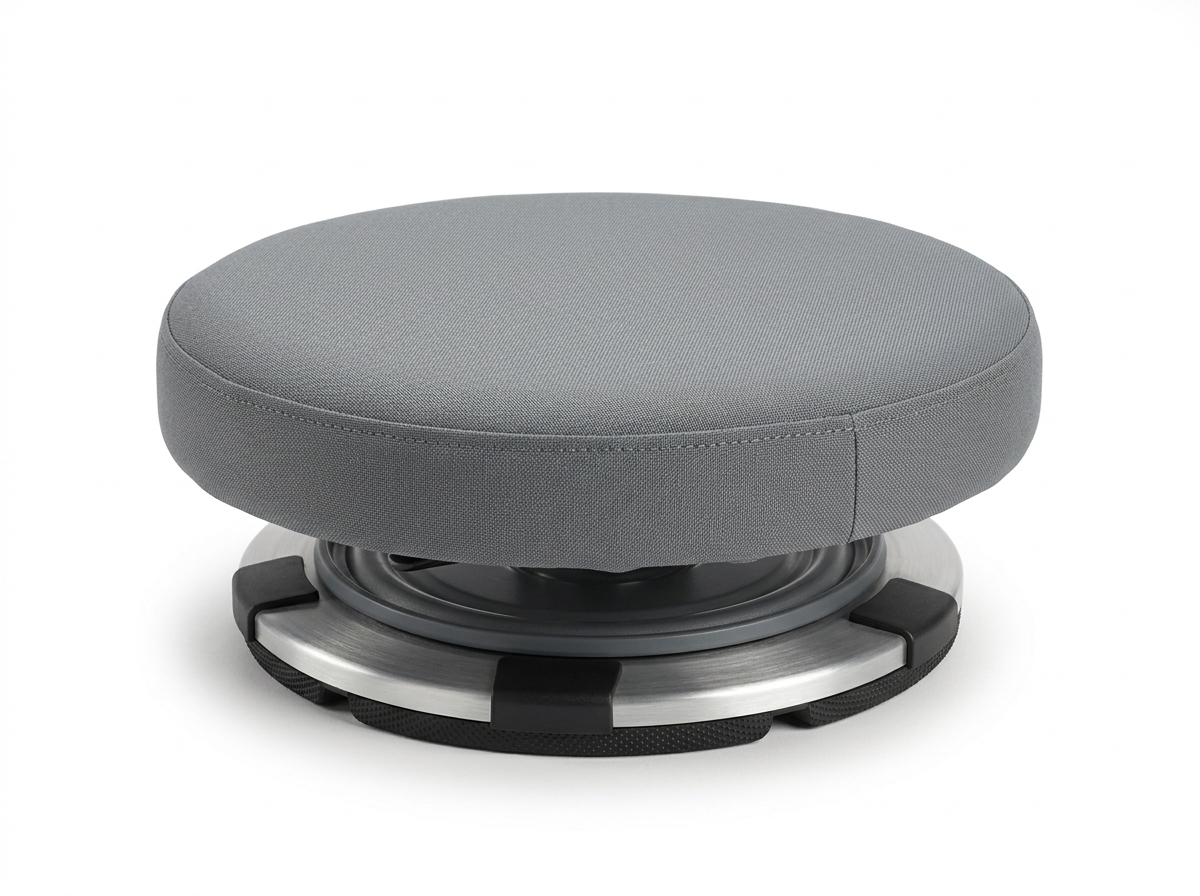
Takes some weight, Transfers
Swivel seat cushion
Rotate to get in/out of car or chair
- Typical price band
- $15–$30
- Brands you will see
- Vive, Stander
- Typical rating
- ~4.5★
- Commonly used for
- Car transfers, Parkinson’s
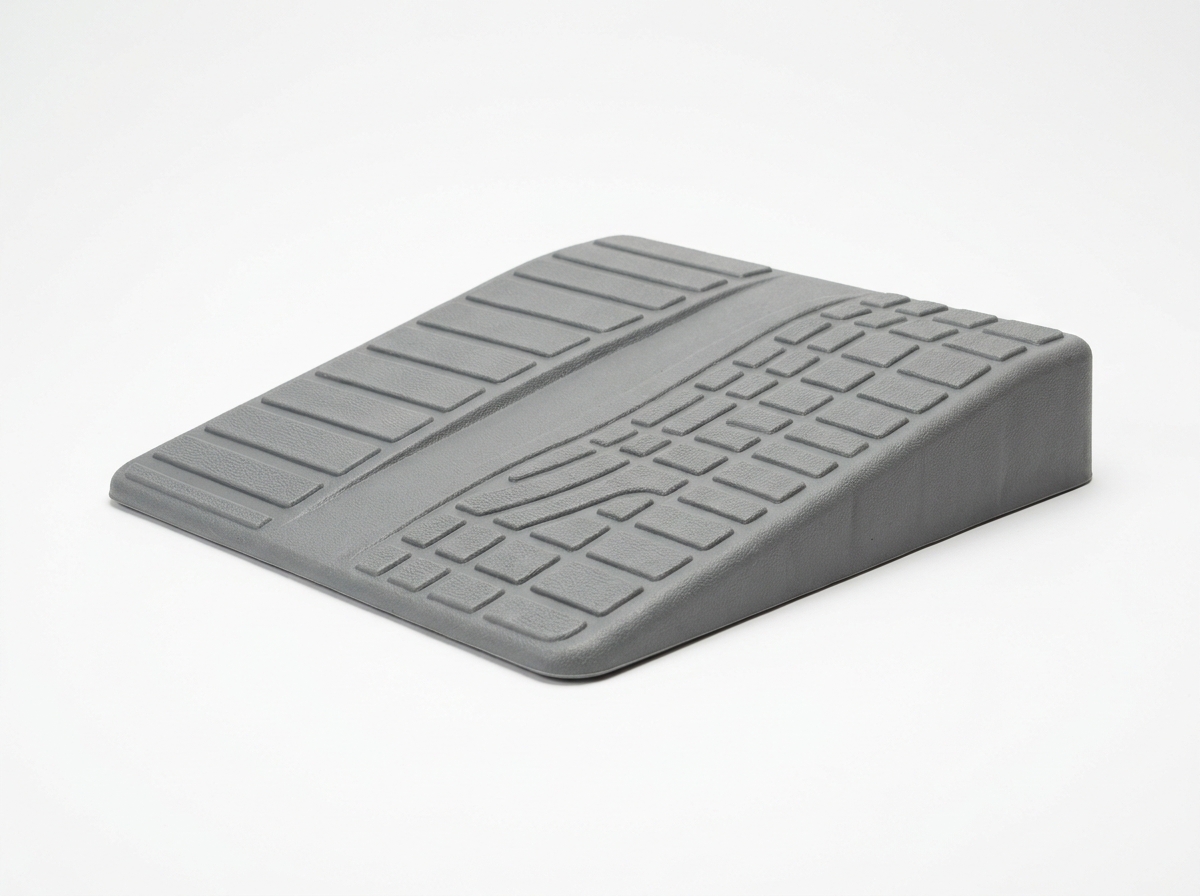
Getting around
Threshold ramp
Roll over door thresholds
- Typical price band
- $25–$90
- Brands you will see
- RURALWEST, Ruedamann
- Typical rating
- ~4.7★
- Commonly used for
- Wheelchair access
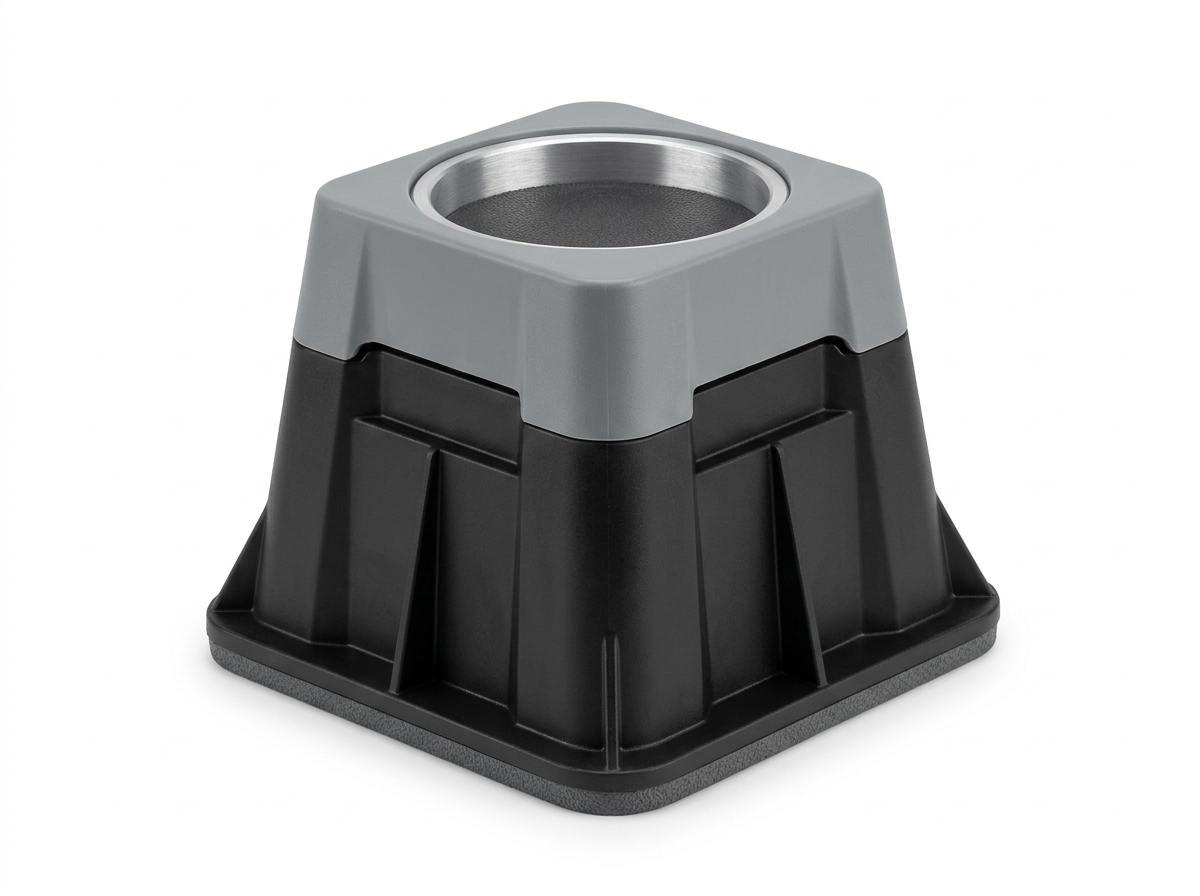
Takes some weight, Transfers
Bed / furniture risers
Raise bed/chair height for easier transfers
- Typical price band
- $15–$30
- Brands you will see
- Utopia, iPrimio
- Typical rating
- ~4.6★
- Commonly used for
- Transfers
What to change first
The bathroom, almost always. It is where the falls happen and where a fall does the most damage. After that, the route between the bed, the bathroom and the front door. Our guide to home modifications gives the order and the costs.
Doorways: clear width, not frame width
What matters is the clear opening once the door and its stop are in the way, which is narrower than the frame you measure. Swing-clear hinges recover an inch or two without rebuilding anything, and that is often the whole difference.
Ramps: the slope is the number that matters
A ramp is defined by how much length it gives you per inch of rise, which is why a few porch steps need a surprisingly long ramp. A threshold ramp handles a single lip at a door. Anything taller needs real length, or it becomes something nobody can push a chair up.
Grab bars and poles go into structure
Into a stud, or into a backing plate fixed to studs. Not into drywall with plastic anchors. A floor to ceiling pole works differently, bracing between floor and ceiling joist, and it needs a solid ceiling above it rather than a suspended one.
Lighting is the cheapest thing that works
Motion sensor night lights along the route to the bathroom prevent more falls per dollar spent than almost anything else on this page.
What this equipment costs, and who pays
Medicare Part B covers medically necessary durable medical equipment when a provider prescribes it for use at home. After the Part B deductible you pay 20 percent of the Medicare approved amount. Hospital beds, commode chairs, walkers, wheelchairs and scooters are all on Medicare’s own list.
Whether one specific item qualifies is decided case by case, so ask the clinic’s social worker before paying out of pocket. Check that the supplier is enrolled in Medicare and accepts assignment, and ask whether the item is rented or bought, because that differs by equipment type.
Our guides to free and low-cost equipment programs and financial resources cover the routes that are not Medicare, including loan closets and nonprofit grants.
Coverage details from Medicare on durable medical equipment.
Guides on this site
- Home modifications: what to change first
- What to do when someone falls
- Wheelchair to car transfers
- Toilet transfers in tight bathrooms
Before you buy anything
Check our equipment coverage guide first. Many of these items are covered as durable medical equipment, and a loan closet or a rental is often the better call than buying. Product links on this site earn a commission. It never changes which equipment we cover.