
Equipment
Walking aids
For someone still walking but no longer steady. The choice is mostly about how much support the arms need to give and whether a seat to rest on matters.
How to use this page
Every item below is listed with what it is for, the price band to expect, and the brands you will actually see. Ask your occupational or physical therapist which of these fits before you buy: much of it is covered as durable medical equipment with a physician order.
About the product links on this page. Where we link to a specific product, we earn a commission if you buy through it. It does not change the price you pay, and it does not influence which equipment we cover.
Walking aids: 10 items
Walks with help, Balance and falls, Getting around
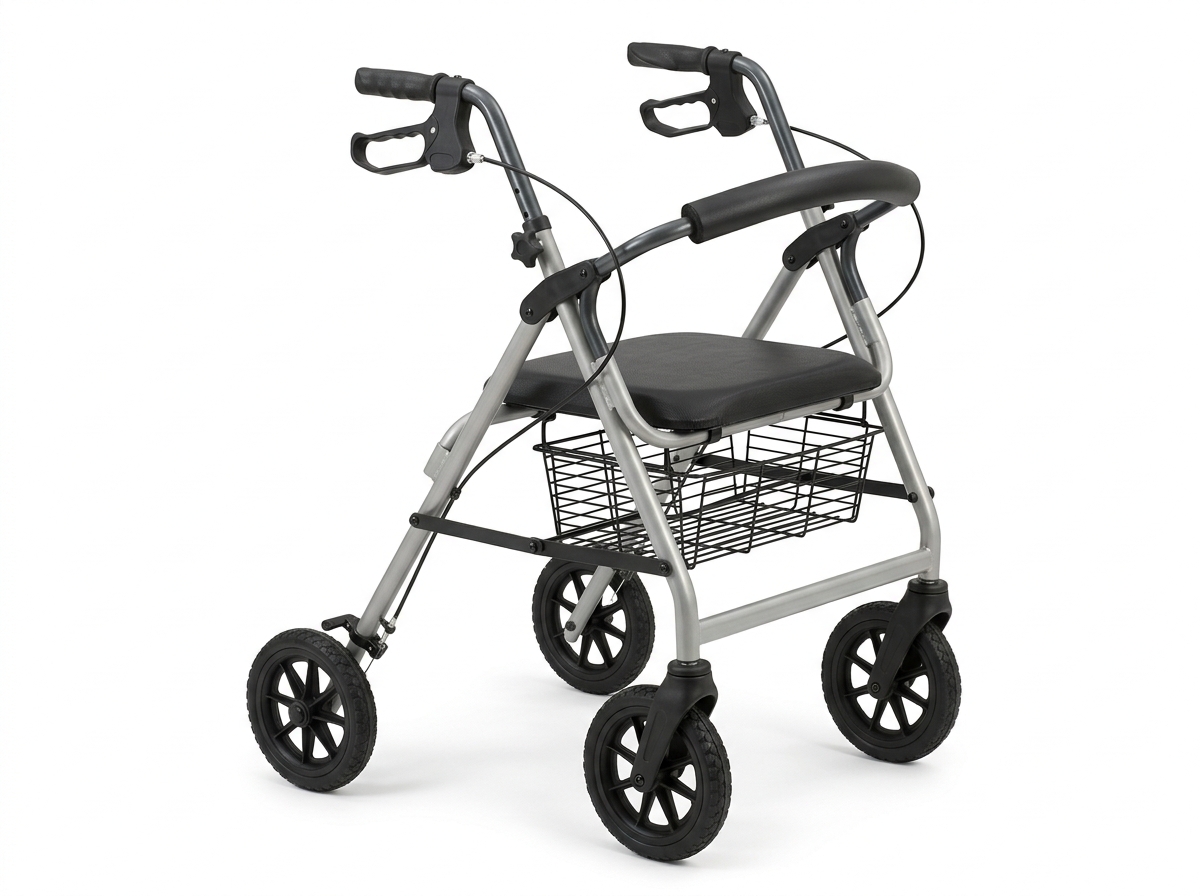
Rollator (4-wheel w/ seat)
Wheeled walker with brakes + seat for rest breaks
- Typical price band
- $70–$160
- Brands you will see
- Drive Nitro, NOVA, Hugo, Medline
- Typical rating
- ~4.6★
- Commonly used for
- Parkinson’s, MS, General
Walks with help, Balance and falls
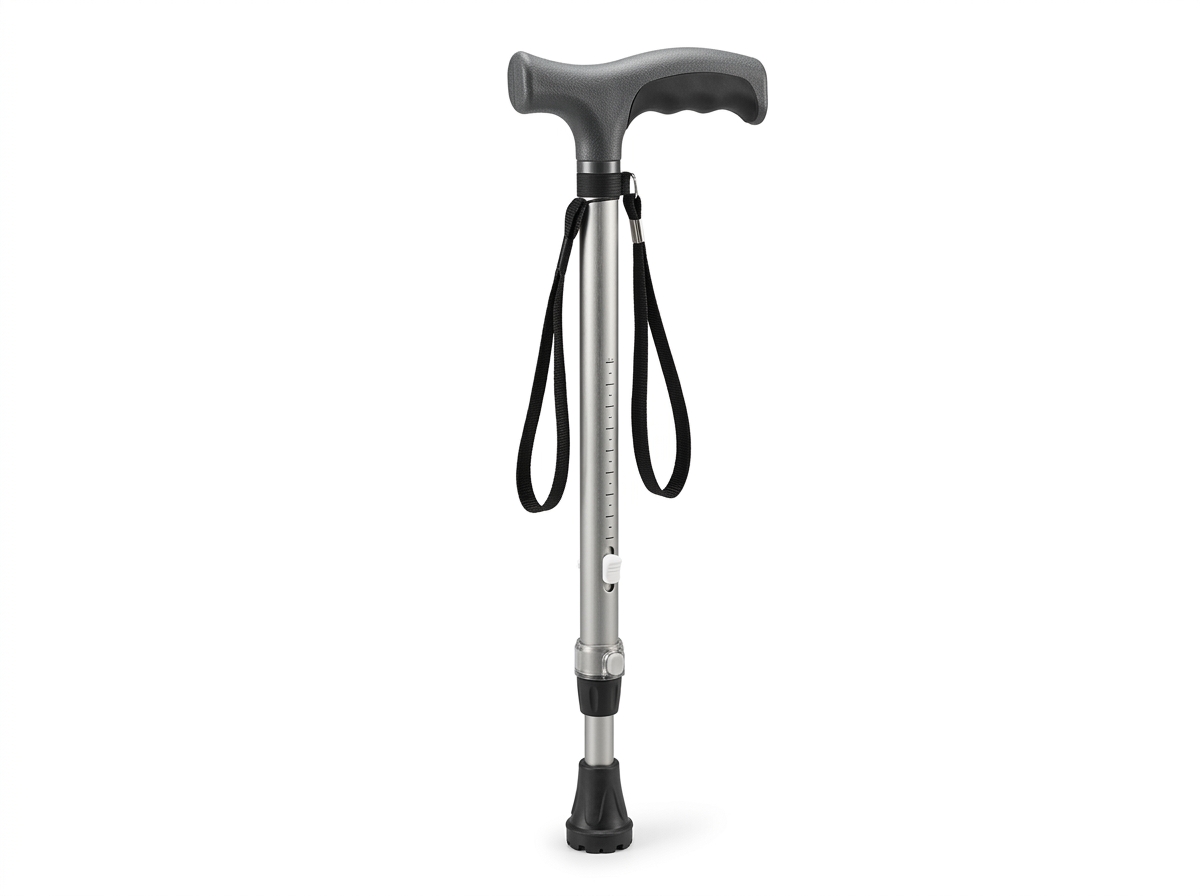
Adjustable cane
Single-point cane for mild balance support
- Typical price band
- $10–$20
- Brands you will see
- Hugo, Vive, Carex
- Typical rating
- ~4.7★
- Commonly used for
- General, Stroke
Walks with help, Balance and falls
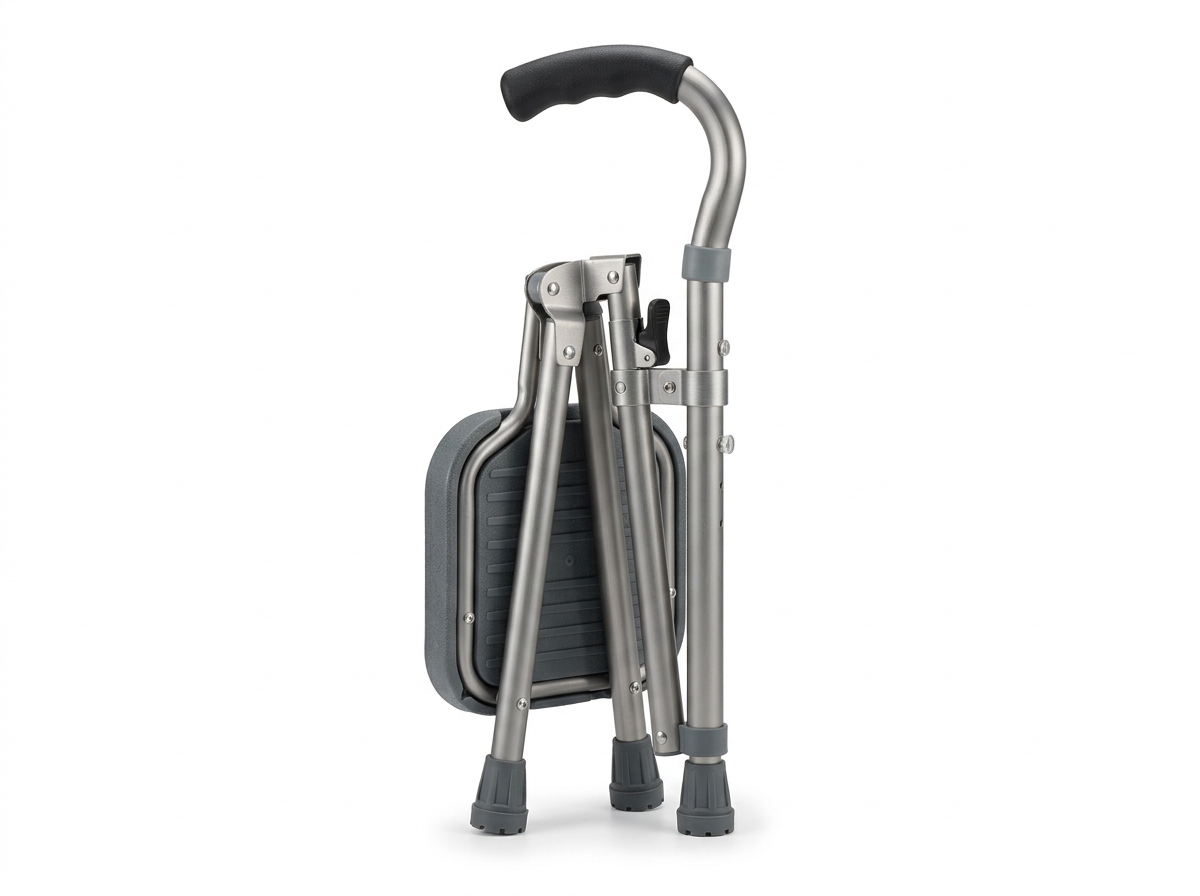
Folding cane / cane w/ seat
Portable cane, some with fold-out seat
- Typical price band
- $20–$40
- Brands you will see
- Vive, Medline, HoneyBull
- Typical rating
- ~4.5★
- Commonly used for
- General
Walks with help, Balance and falls
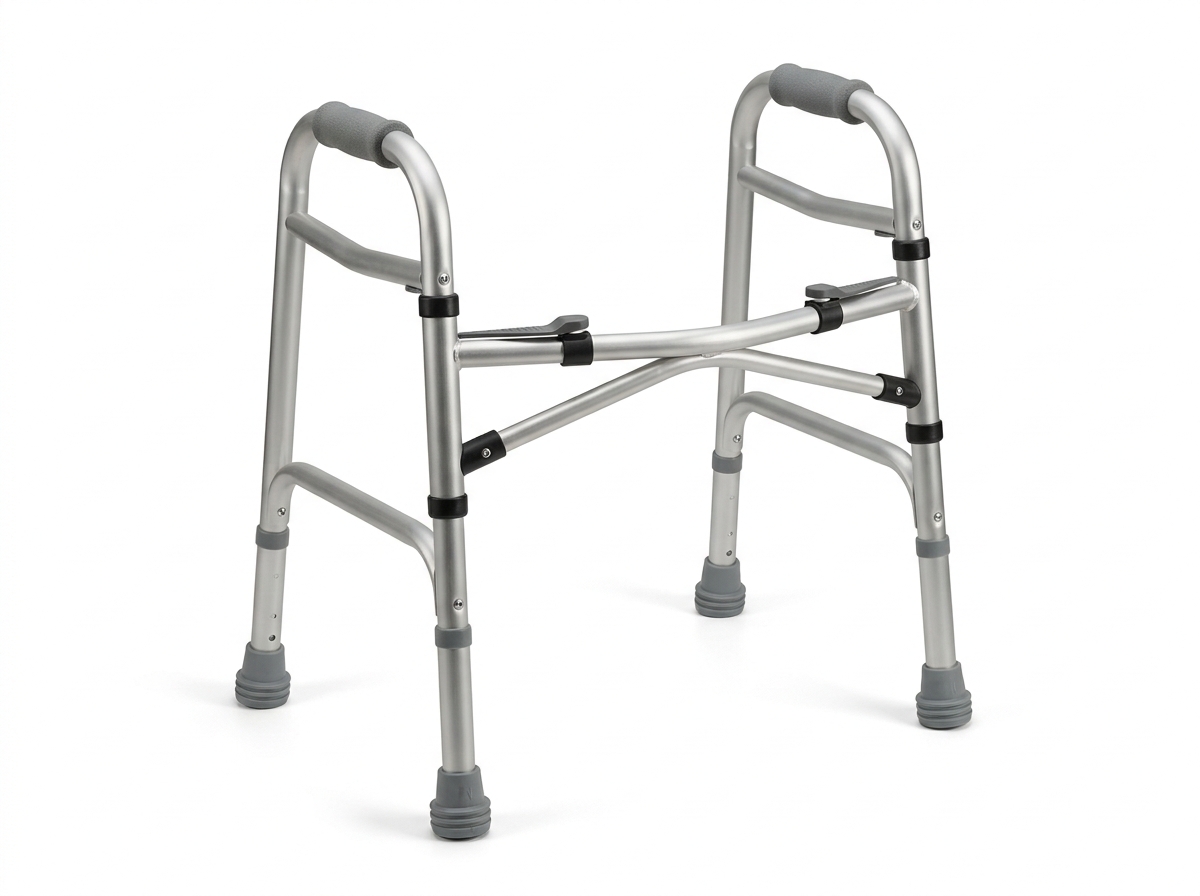
Folding walker (standard)
Basic 2-button folding walker for support while walking
- Typical price band
- $30–$60
- Brands you will see
- Drive Medical, Medline, Carex
- Typical rating
- ~4.6★
- Commonly used for
- General, Stroke, MS, Parkinson’s
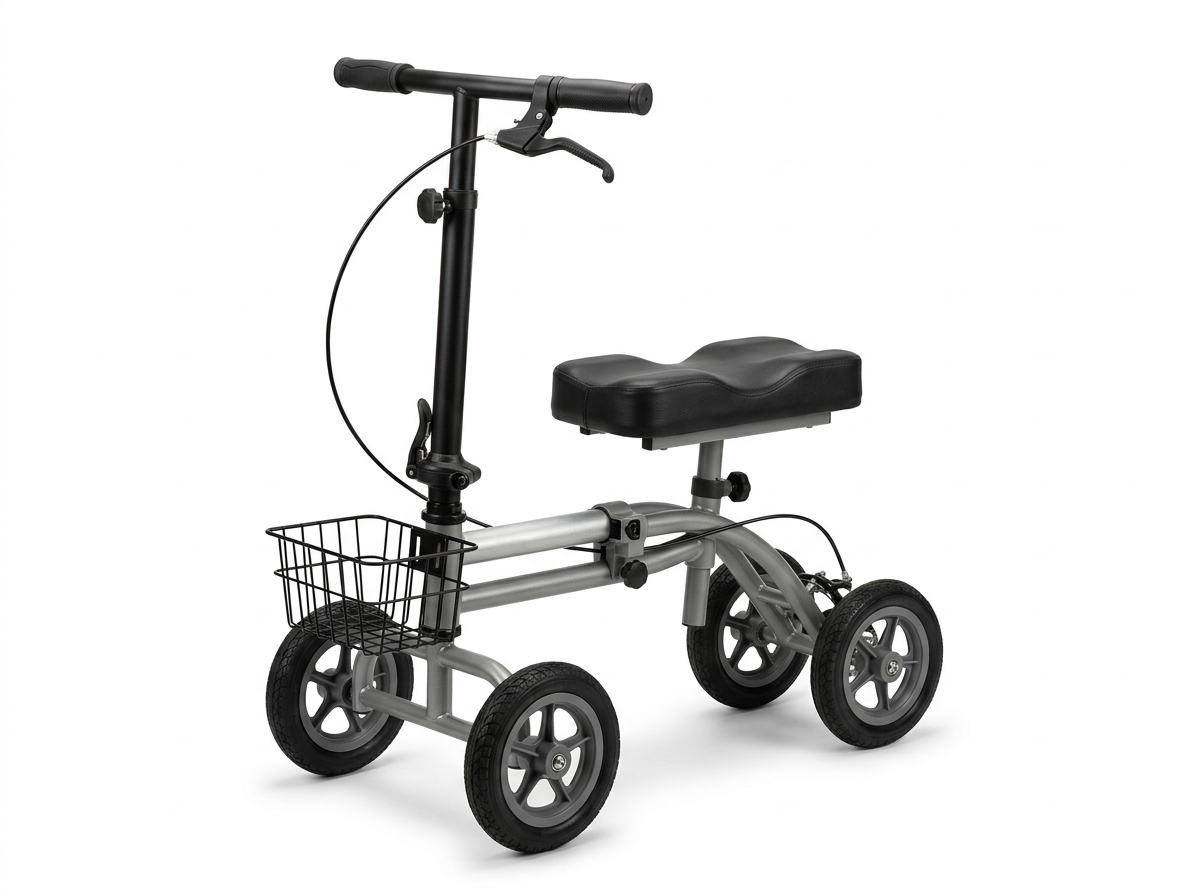
Walks with help, Getting around
Knee scooter / walker
Hands-free mobility for single-leg / foot injury
- Typical price band
- $110–$180
- Brands you will see
- KneeRover, ELENKER
- Typical rating
- ~4.6★
- Commonly used for
- Injury, Amputation
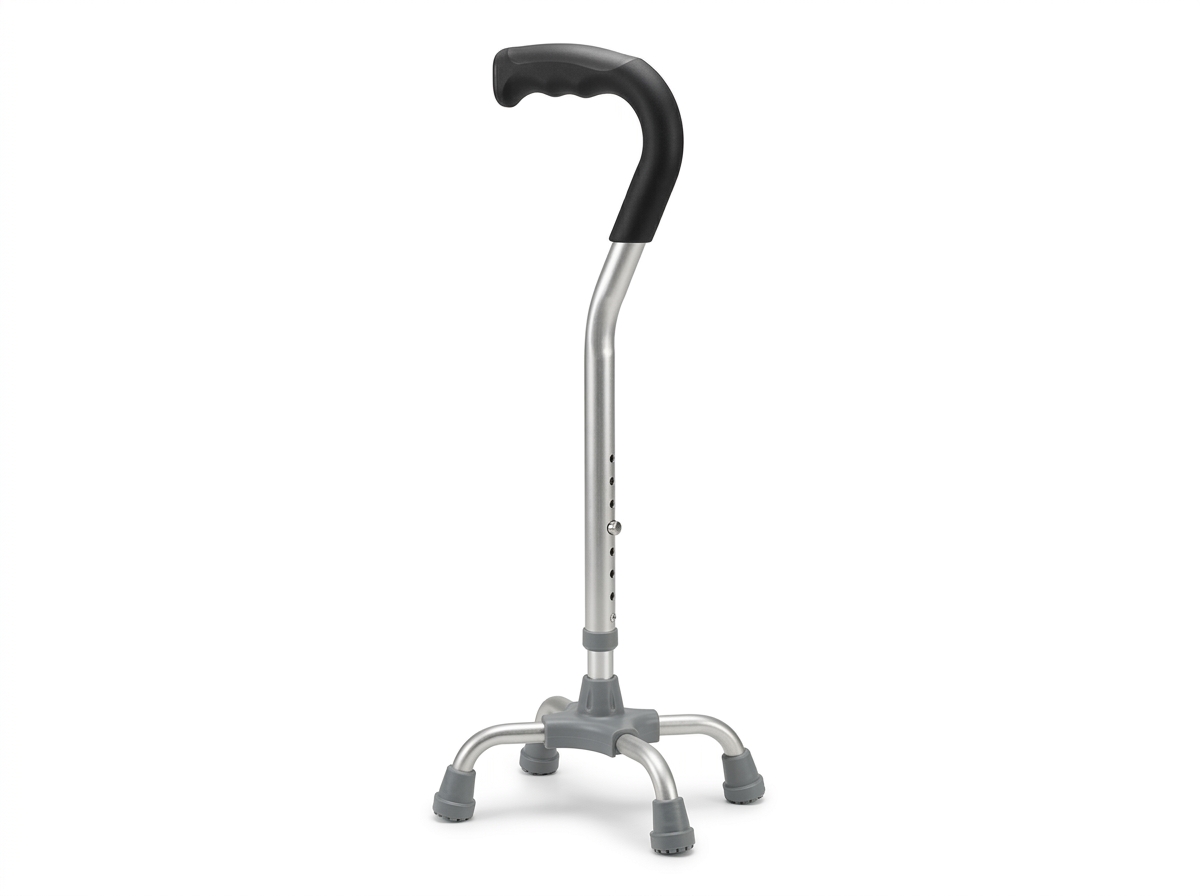
Walks with help, Balance and falls
Quad cane
4-point base for greater stability
- Typical price band
- $18–$30
- Brands you will see
- Drive, Vive
- Typical rating
- ~4.6★
- Commonly used for
- Stroke, Balance
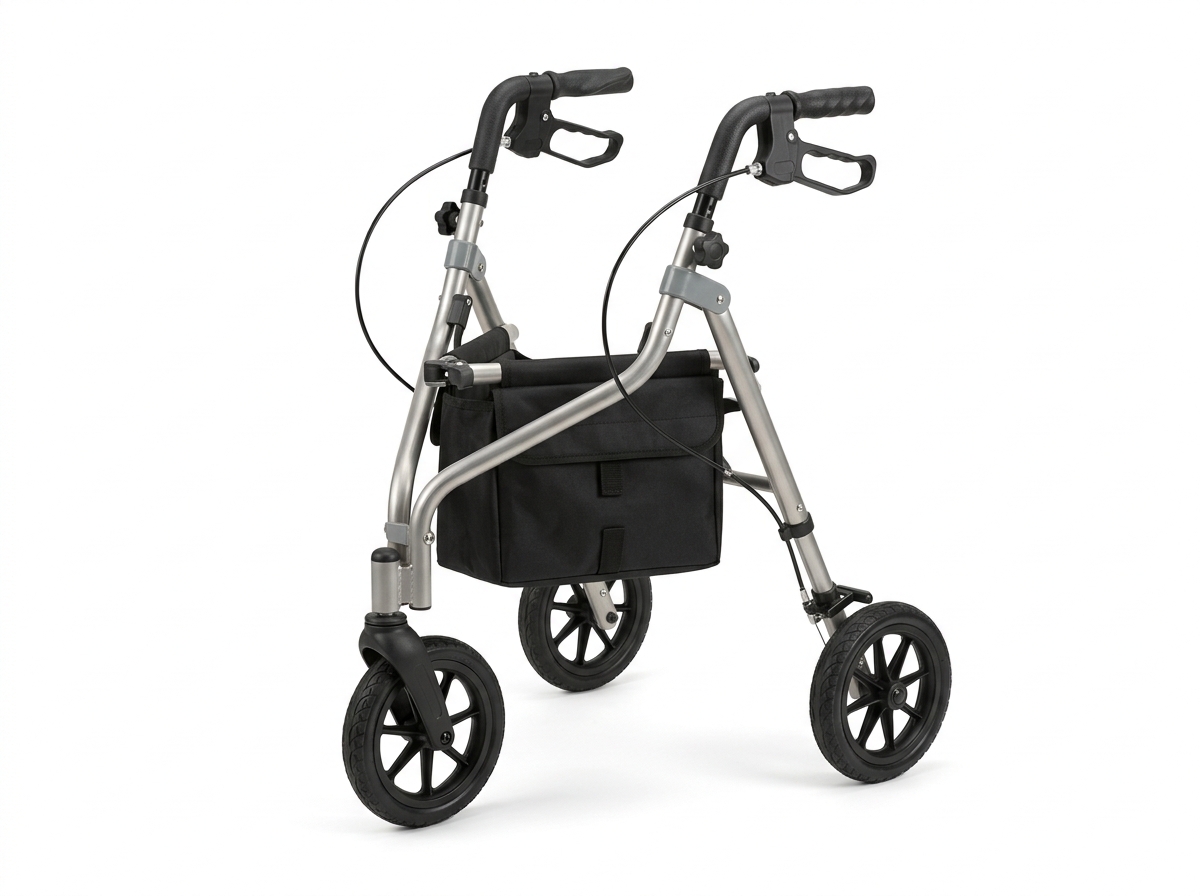
Walks with help, Balance and falls, Getting around
Rollator (3-wheel)
Lighter, tighter-turning rollator for indoors
- Typical price band
- $60–$110
- Brands you will see
- NOVA, Hugo, Drive
- Typical rating
- ~4.5★
- Commonly used for
- General
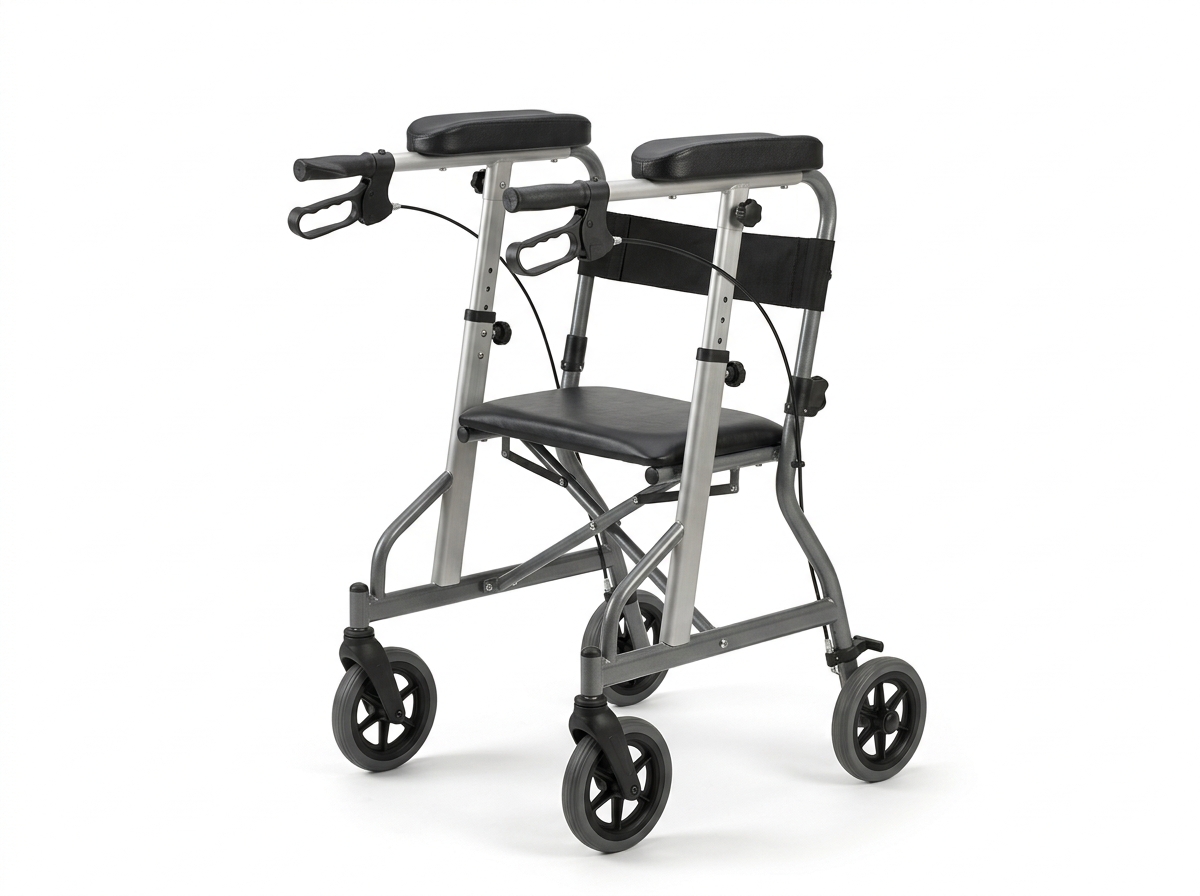
Walks with help, Balance and falls
Upright / stand-up walker
Promotes upright posture, less back/wrist strain
- Typical price band
- $130–$260
- Brands you will see
- UPWalker, ELENKER, OasisSpace
- Typical rating
- ~4.4★
- Commonly used for
- Parkinson’s, General
Ask your occupational or physical therapist which version of this suits the person you care for. Many items in this category are covered as durable medical equipment with a physician order: see the coverage guide.
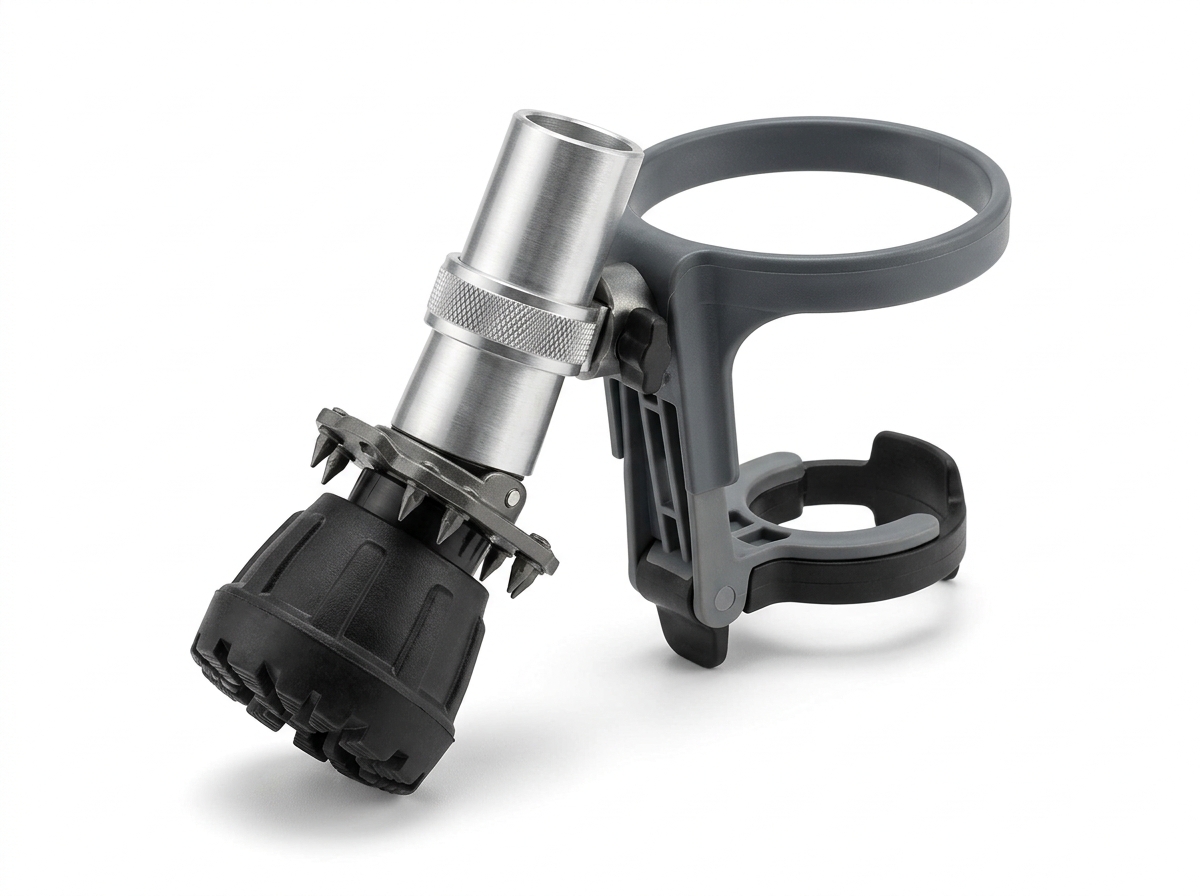
Walks with help, Balance and falls
Cane/walker tips & accessories
Replacement tips, ice grips, cup holders
- Typical price band
- $6–$15
- Brands you will see
- Vive, RMS, Stander
- Typical rating
- ~4.6★
- Commonly used for
- General
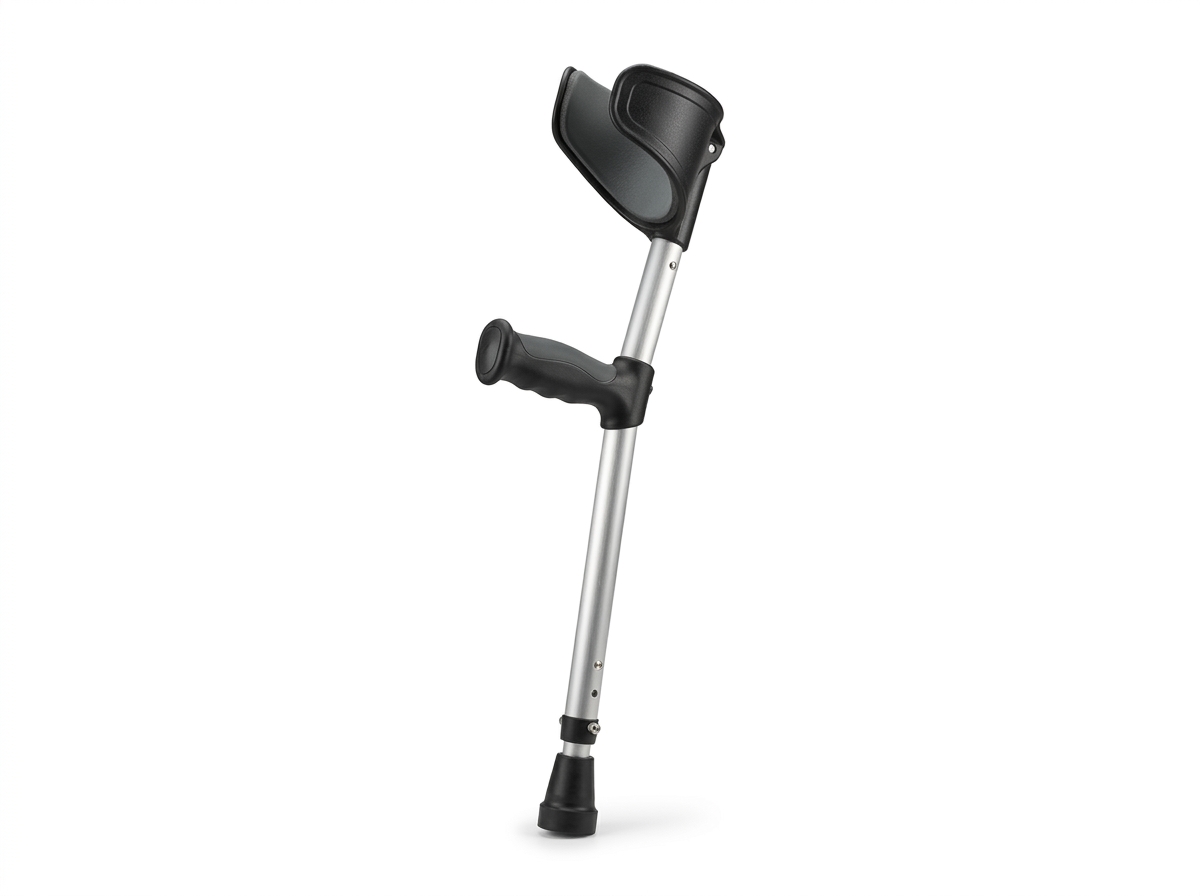
Walks with help, Balance and falls
Forearm crutches
Long-term crutch use, better ergonomics
- Typical price band
- $40–$80
- Brands you will see
- Vive, Millennial
- Typical rating
- ~4.4★
- Commonly used for
- CP, Long-term
How to choose a walking aid
The choice comes down to how much support the arms need to give, and whether somewhere to sit matters. Getting it wrong causes falls in both directions: too little support and they stumble, too much and they lean on something that rolls away.
Walker or rollator
A standard walker has to be lifted or pushed and it stops dead when you let go, which suits someone who needs to lean on it. A rollator rolls freely and relies on hand brakes, which suits someone who walks reasonably well but tires or loses balance. A rollator is not simply a walker with wheels. We set this out in walker versus rollator.
The seat is a rest stop, not a ride
Rollator seats are for sitting on once you have stopped and set the brakes. Nobody should be pushed along while sitting on one. They are not built for it, and the front wheels swivel.
Set the handle height before the first walk
Standing upright with the arms hanging relaxed, the handles should sit level with the crease of the wrist. That leaves the elbows slightly bent when walking. Handles set too low push people into a stoop, which is its own fall risk.
When a cane is still enough
A cane goes in the hand opposite the weaker leg and moves forward with that leg. A quad cane stands up on its own and gives a wider base, but it is slower and needs a flat surface for all four tips to land level.
What this equipment costs, and who pays
Medicare Part B covers medically necessary durable medical equipment when a provider prescribes it for use at home. After the Part B deductible you pay 20 percent of the Medicare approved amount. Hospital beds, commode chairs, walkers, wheelchairs and scooters are all on Medicare’s own list.
Whether one specific item qualifies is decided case by case, so ask the clinic’s social worker before paying out of pocket. Check that the supplier is enrolled in Medicare and accepts assignment, and ask whether the item is rented or bought, because that differs by equipment type.
Our guides to free and low-cost equipment programs and financial resources cover the routes that are not Medicare, including loan closets and nonprofit grants.
Coverage details from Medicare on durable medical equipment.
Guides on this site
- Walker versus rollator
- Transferring safely with a rolling walker
- What to do when someone falls
- All nine transfer techniques
Before you buy anything
Check our equipment coverage guide first. Many of these items are covered as durable medical equipment, and a loan closet or a rental is often the better call than buying. Product links on this site earn a commission. It never changes which equipment we cover.