
Equipment
Respiratory and orthotic supports
Braces, collars, and airway clearance aids. Everything here should be fitted or prescribed by the care team first; this page explains what the items are, not whether you need one.
How to use this page
Every item below is listed with what it is for, the price band to expect, and the brands you will actually see. Ask your occupational or physical therapist which of these fits before you buy: much of it is covered as durable medical equipment with a physician order.
About the product links on this page. Where we link to a specific product, we earn a commission if you buy through it. It does not change the price you pay, and it does not influence which equipment we cover.
Respiratory and orthotic supports: 8 items
Positioning and support
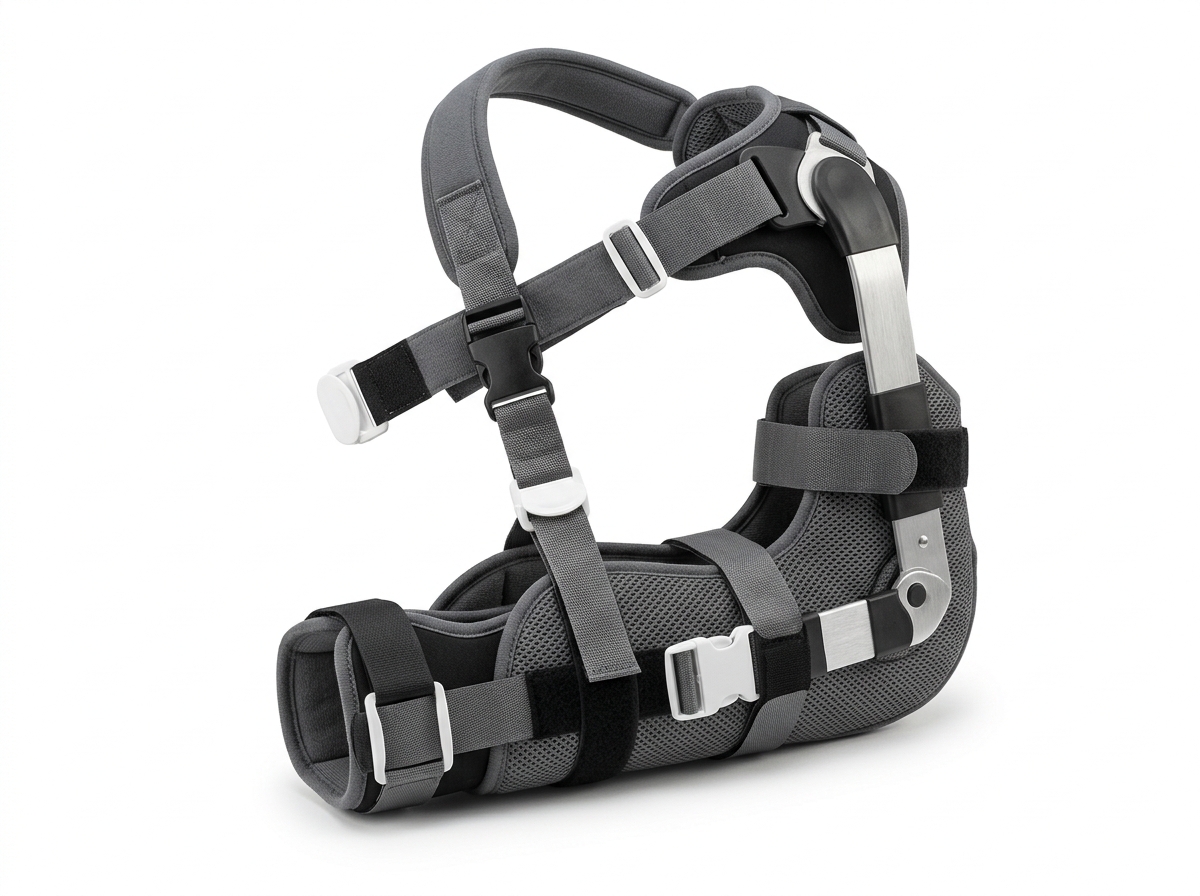
Arm sling / shoulder support
Support weak/flaccid arm, protect shoulder
- Typical price band
- $15–$40
- Brands you will see
- Vive; GivMohr (specialty)
- Typical rating
- ~4.4★
- Commonly used for
- Subluxation, Stroke, ALS
Positioning and support
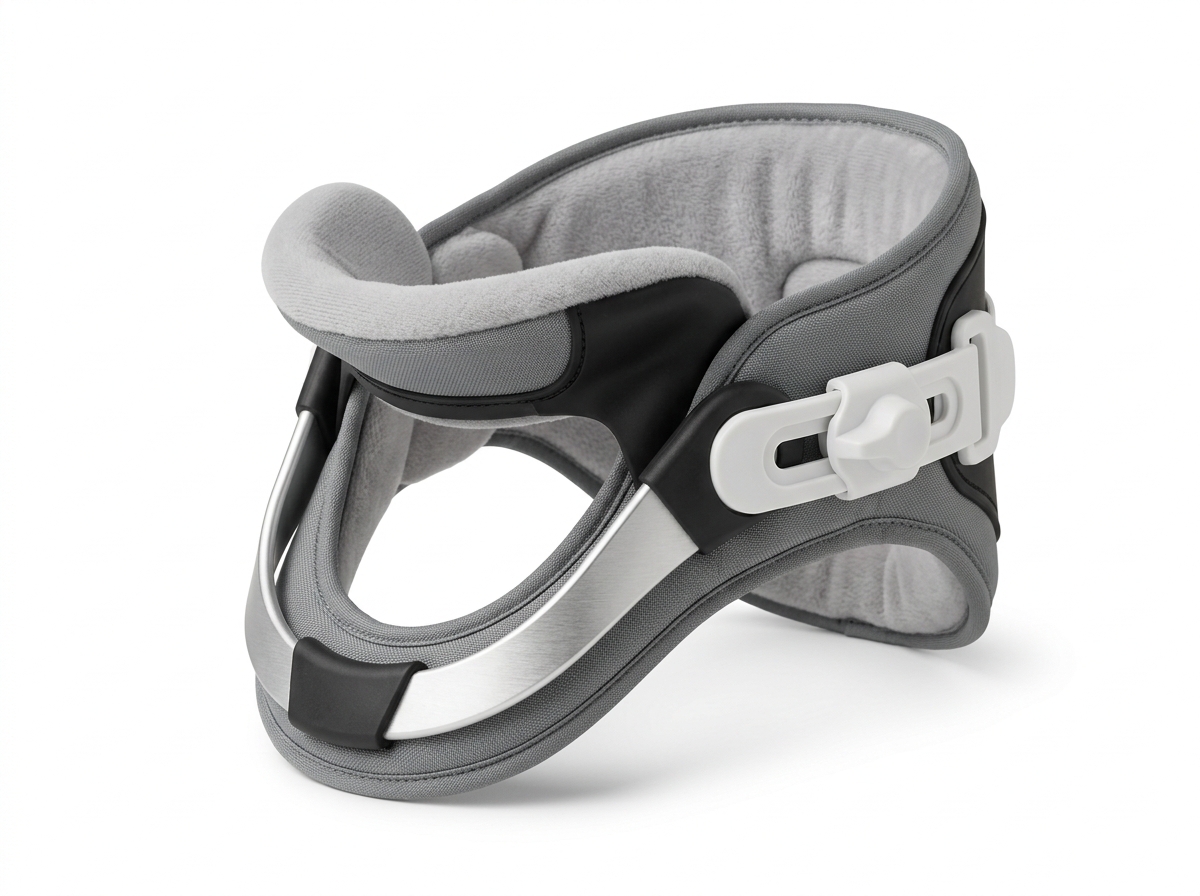
Cervical / soft neck collar
Support for head drop / neck weakness
- Typical price band
- $15–$35
- Brands you will see
- Vive, ELENKER
- Typical rating
- ~4.3★
- Commonly used for
- ALS head drop
Swelling
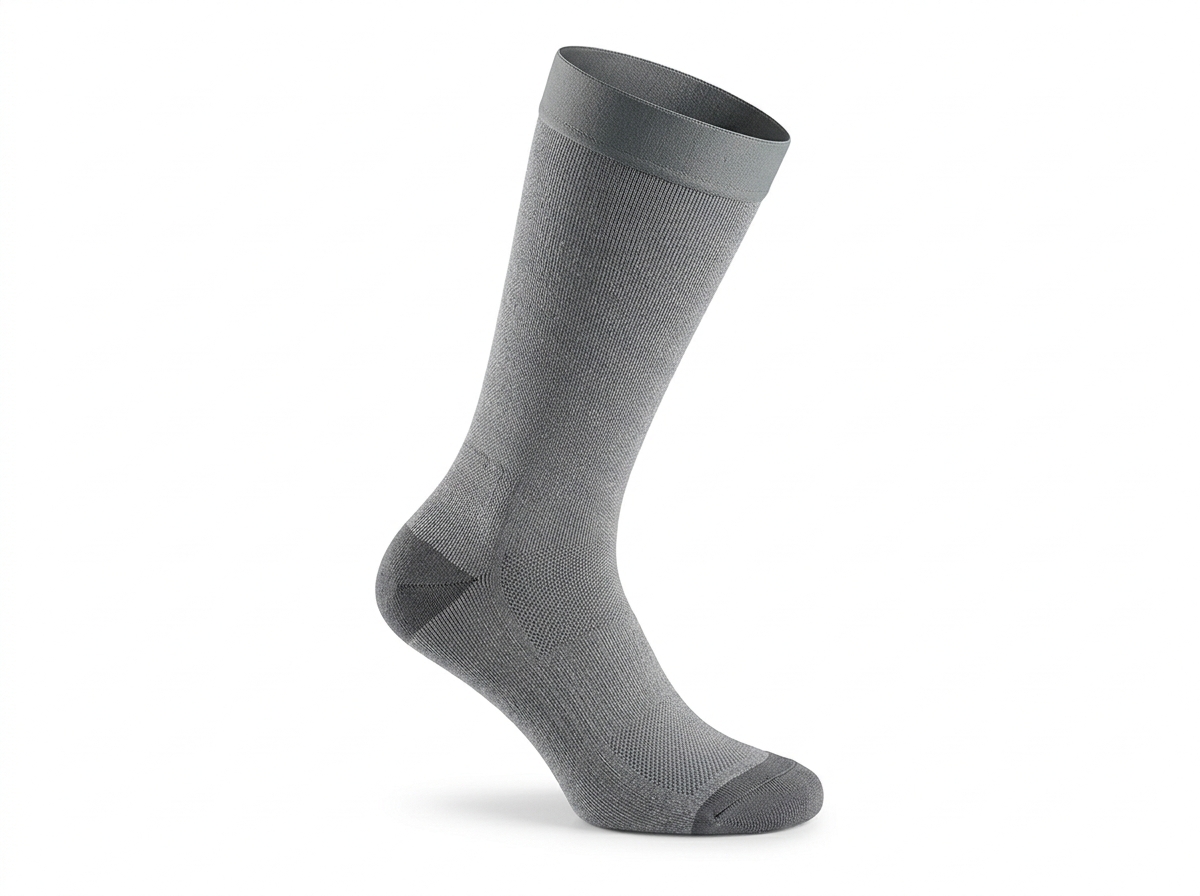
Compression socks (edema)
Reduce swelling / improve circulation
- Typical price band
- $15–$30
- Brands you will see
- Physix, SB SOX
- Typical rating
- ~4.5★
- Commonly used for
- Edema, Circulation
Walks with help, Balance and falls
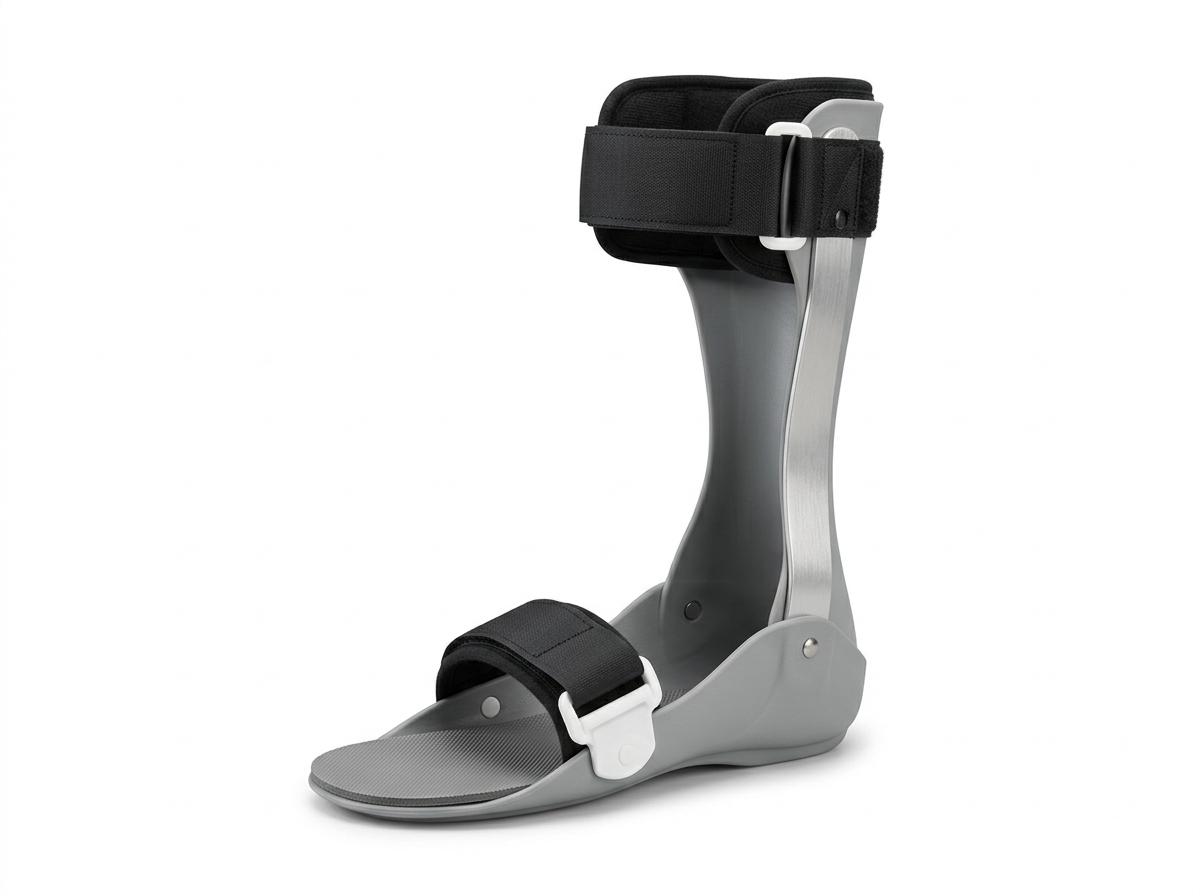
Foot drop brace (AFO)
Lifts foot to prevent tripping
- Typical price band
- $15–$35
- Brands you will see
- Vive, BraceAbility
- Typical rating
- ~4.3★
- Commonly used for
- Foot drop, Stroke, MS
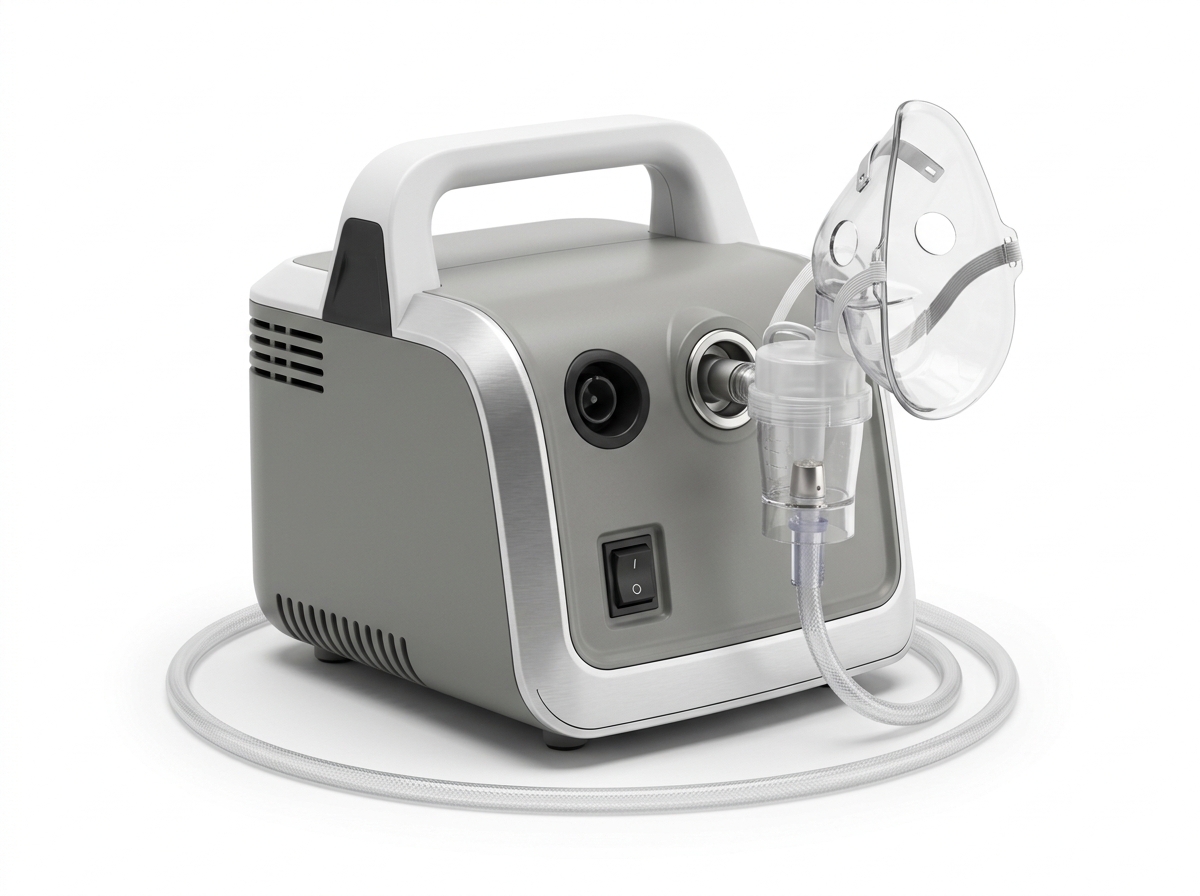
Breathing
Nebulizer (compressor)
Deliver inhaled medication as mist
- Typical price band
- $25–$50
- Brands you will see
- TruNeb, MayLuck
- Typical rating
- ~4.6★
- Commonly used for
- Respiratory
Ask your occupational or physical therapist which version of this suits the person you care for. Many items in this category are covered as durable medical equipment with a physician order: see the coverage guide.
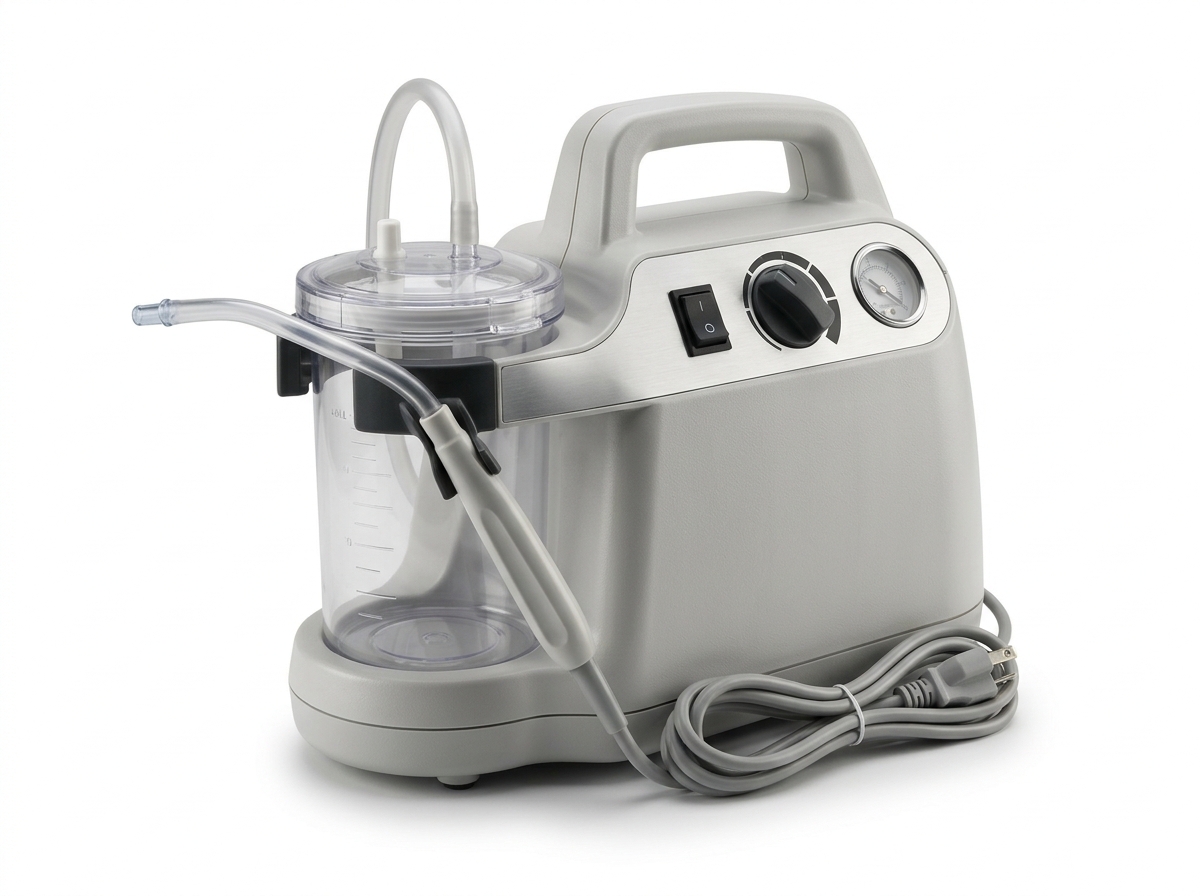
Breathing
Portable suction machine
Clear oral secretions
- Typical price band
- $60–$130
- Brands you will see
- Yimu, VacuAide-style
- Typical rating
- ~4.4★
- Commonly used for
- ALS, Secretions
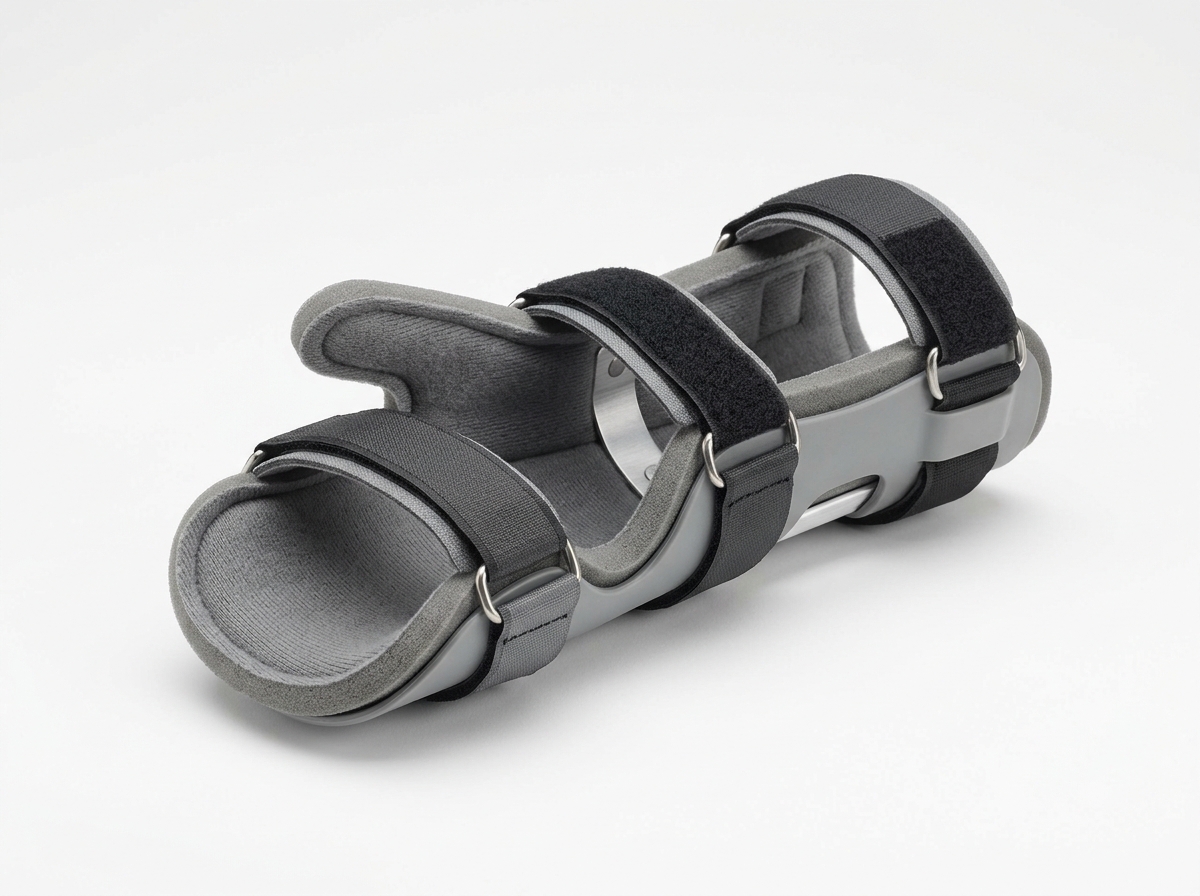
Positioning and support
Resting hand splint
Prevents contracture of the hand
- Typical price band
- $18–$35
- Brands you will see
- Vive, BraceAbility
- Typical rating
- ~4.3★
- Commonly used for
- Contracture, Stroke
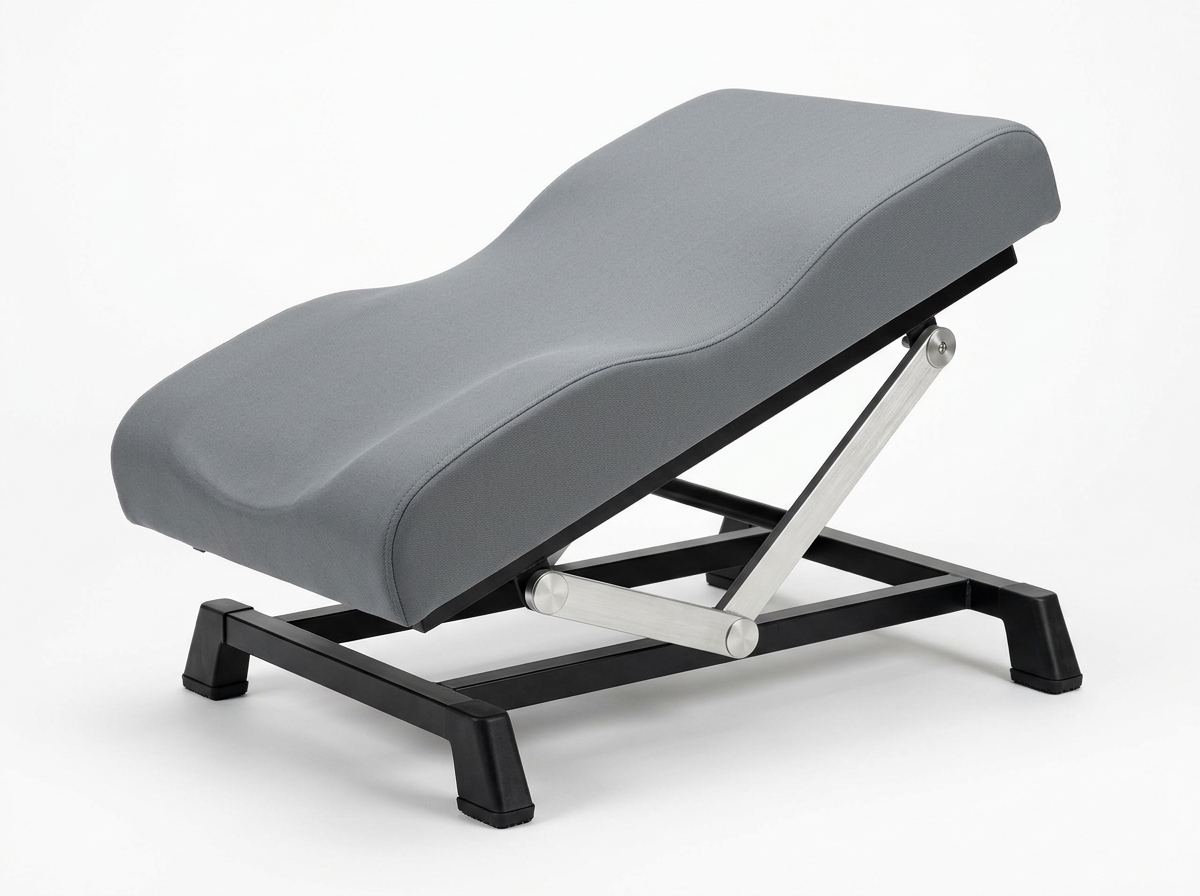
Swelling
Elevating leg rest / wedge
Elevate legs to reduce edema
- Typical price band
- $30–$60
- Brands you will see
- Vive, Xtra-Comfort
- Typical rating
- ~4.5★
- Commonly used for
- Edema
How to use this category
Everything here should be fitted or prescribed by the care team first. This page explains what the items are, not whether the person needs one. Braces and collars change how a body moves, and a poorly chosen one creates a second problem.
A collar for weakness is a different device from a collar for an injury
An injury collar is built to stop the neck moving after trauma. A collar for neck weakness is trying to hold the head up while still allowing swallowing and speech. They are not interchangeable, and collar fit can change the swallow. See head drop and neck weakness.
Support from the chair rather than the neck
Often the better answer is a headrest and a tilted seat, so the chair carries the weight of the head instead of the neck. It is less obvious than a collar and usually more comfortable over a long day.
Airway clearance is about the cough, not the mucus
A weak cough is the thing to watch. Suction removes what has already reached the mouth. A cough assist machine helps bring it up from the chest. They do different jobs and neither replaces the other. See using a cough assist machine.
Foot drop
An ankle foot orthosis holds the foot up so the toe stops catching on the floor. It has to be fitted to the leg and to the shoe, and shoes usually need to be a half size larger with a removable insole to make room for it.
What this equipment costs, and who pays
Medicare Part B covers medically necessary durable medical equipment when a provider prescribes it for use at home. After the Part B deductible you pay 20 percent of the Medicare approved amount. Hospital beds, commode chairs, walkers, wheelchairs and scooters are all on Medicare’s own list.
Whether one specific item qualifies is decided case by case, so ask the clinic’s social worker before paying out of pocket. Check that the supplier is enrolled in Medicare and accepts assignment, and ask whether the item is rented or bought, because that differs by equipment type.
Our guides to free and low-cost equipment programs and financial resources cover the routes that are not Medicare, including loan closets and nonprofit grants.
Coverage details from Medicare on durable medical equipment.
Guides on this site
- Breathing changes: what to watch for
- Using a cough assist machine at home
- BiPAP and non-invasive ventilation at home
- Head drop, collars and head supports
Before you buy anything
Check our equipment coverage guide first. Many of these items are covered as durable medical equipment, and a loan closet or a rental is often the better call than buying. Product links on this site earn a commission. It never changes which equipment we cover.