
Equipment
Wheeled mobility
Wheelchairs, transport chairs, and the accessories that make them tolerable to sit in all day. Seating comfort matters more than the chair’s brochure.
How to use this page
Every item below is listed with what it is for, the price band to expect, and the brands you will actually see. Ask your occupational or physical therapist which of these fits before you buy: much of it is covered as durable medical equipment with a physician order.
About the product links on this page. Where we link to a specific product, we earn a commission if you buy through it. It does not change the price you pay, and it does not influence which equipment we cover.
Wheeled mobility: 7 items
Takes some weight, Cannot bear weight, Getting around
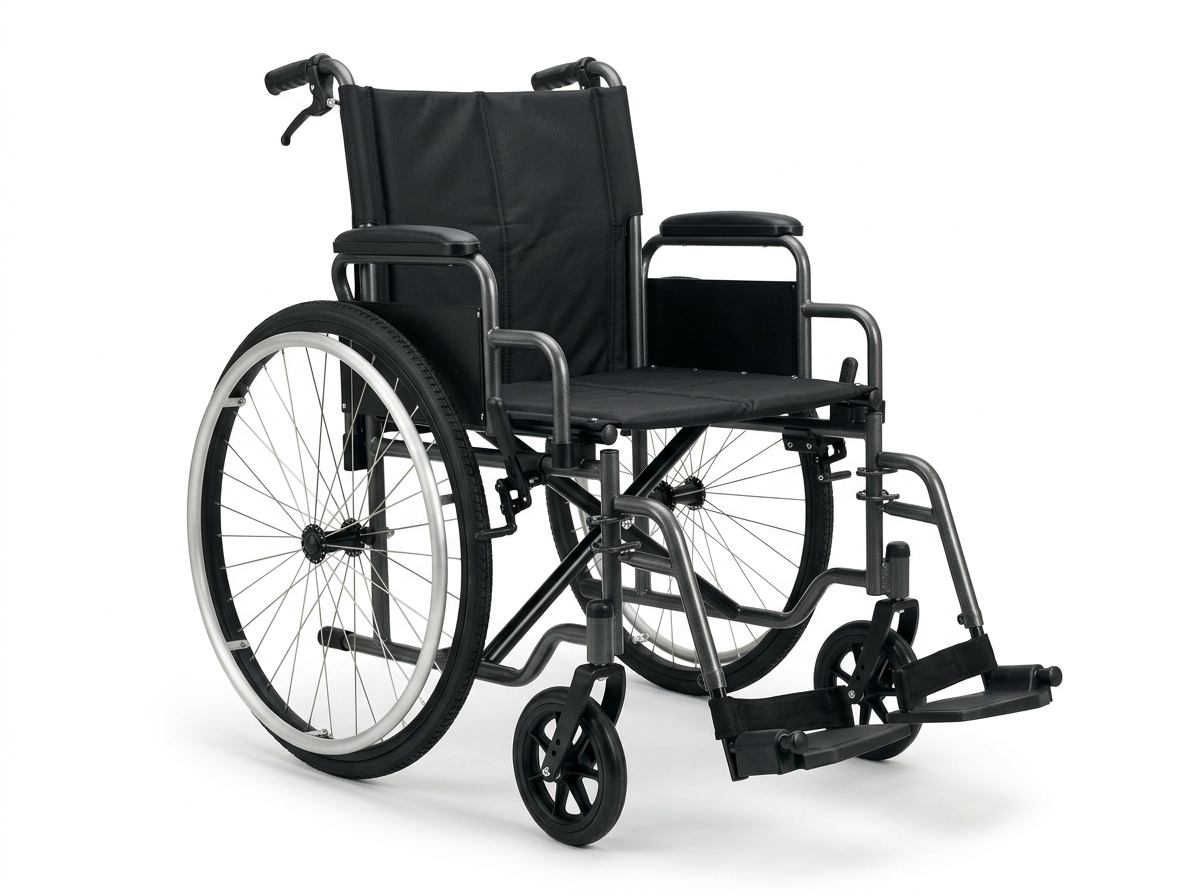
Standard wheelchair (self-propel)
Large rear wheels for self-propelling
- Typical price band
- $110–$220
- Brands you will see
- Drive, Medline, Karman
- Typical rating
- ~4.5★
- Commonly used for
- ALS, SCI, General
Takes some weight, Cannot bear weight, Getting around
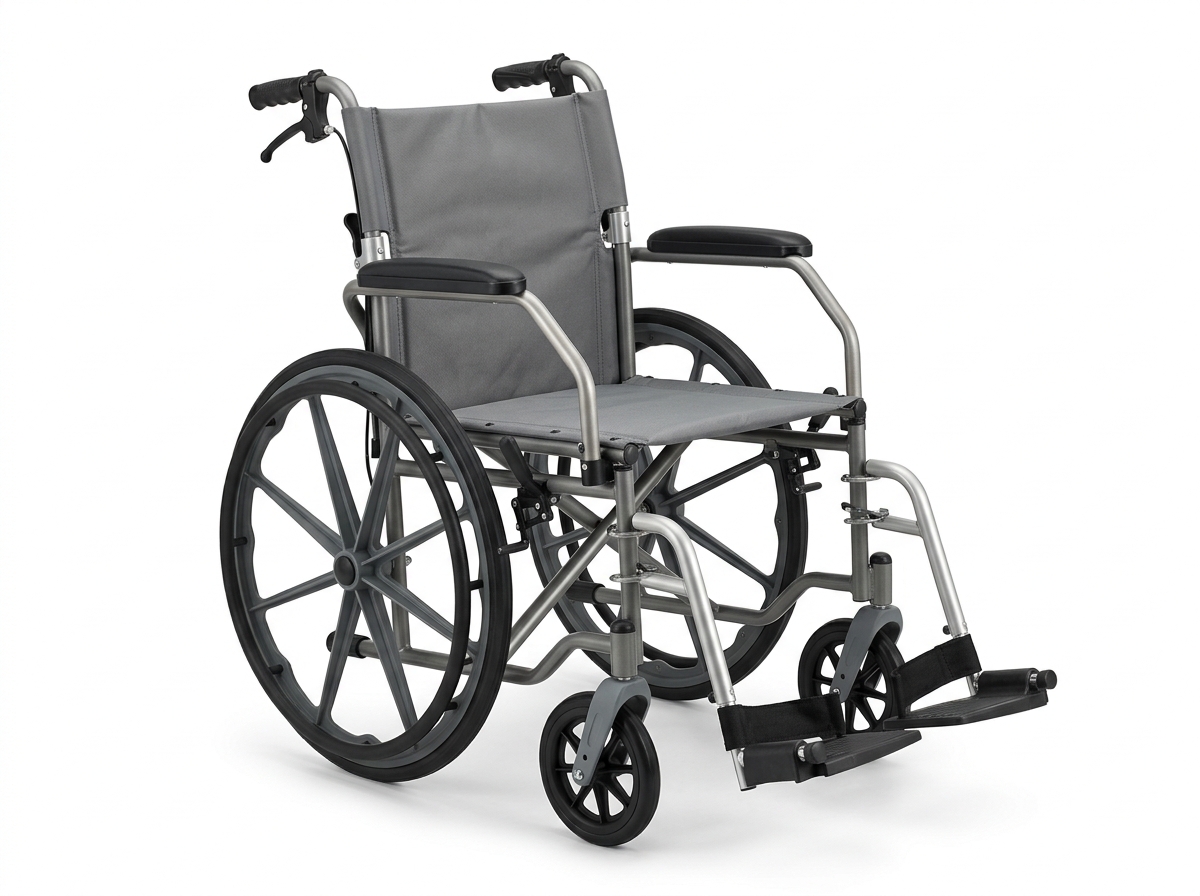
Transport wheelchair (lightweight)
Caregiver-pushed chair, foldable, light
- Typical price band
- $90–$170
- Brands you will see
- Medline, Drive, Vive
- Typical rating
- ~4.6★
- Commonly used for
- ALS, Stroke, General
Takes some weight, Cannot bear weight, Skin and pressure
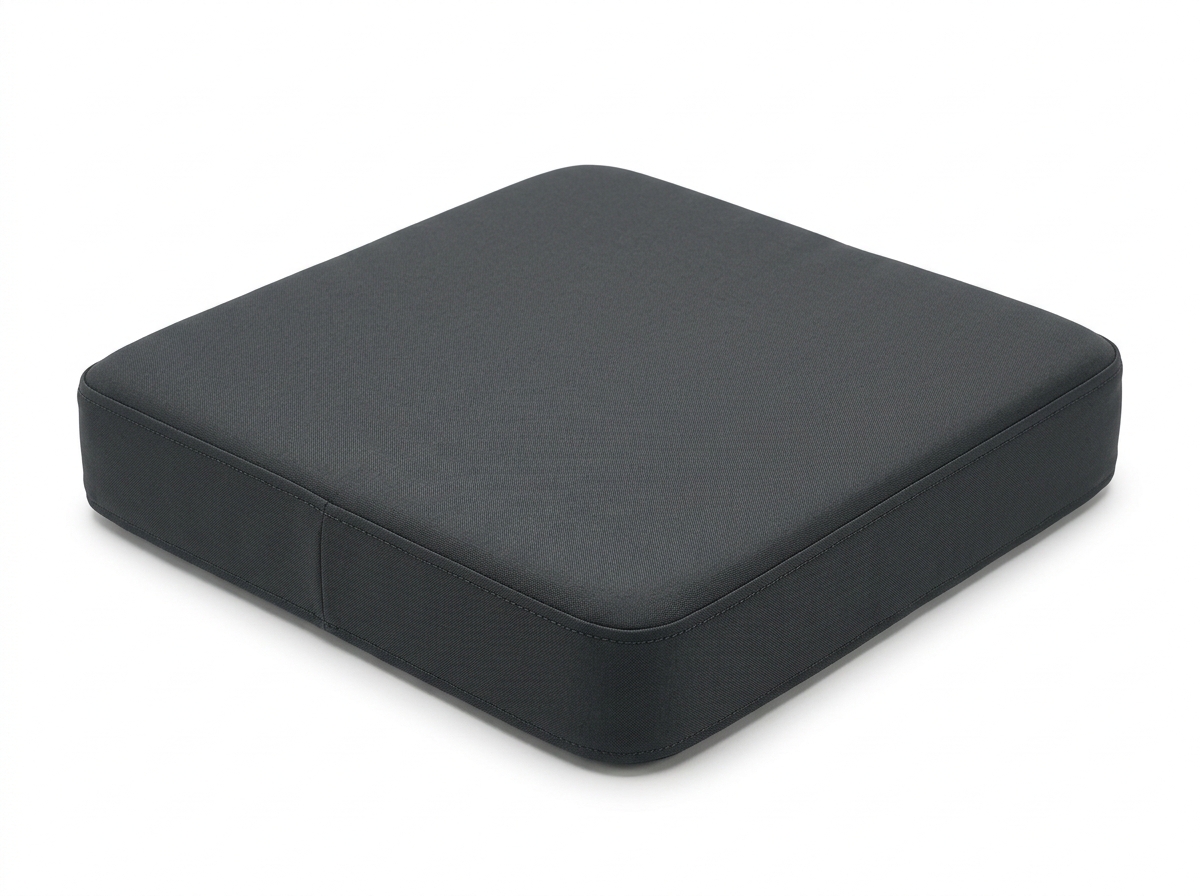
Wheelchair cushion (gel/foam)
Pressure relief + comfort for seating
- Typical price band
- $30–$70
- Brands you will see
- Vive, ComfiLife, NOVA
- Typical rating
- ~4.5★
- Commonly used for
- SCI, Pressure risk
Takes some weight, Cannot bear weight, Getting around
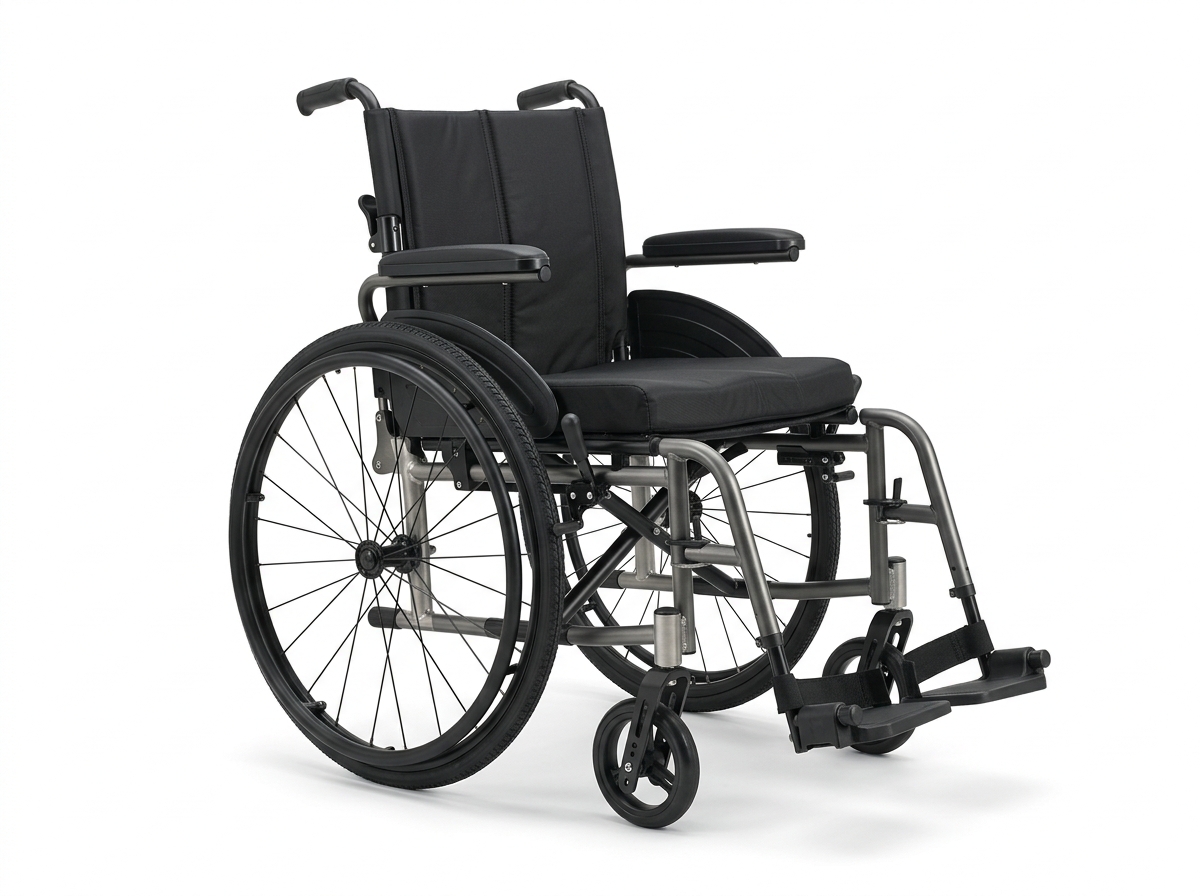
Lightweight / ultralight wheelchair
Reduced weight for active users / travel
- Typical price band
- $200–$500
- Brands you will see
- Karman, Drive, Medline
- Typical rating
- ~4.5★
- Commonly used for
- SCI, Active users
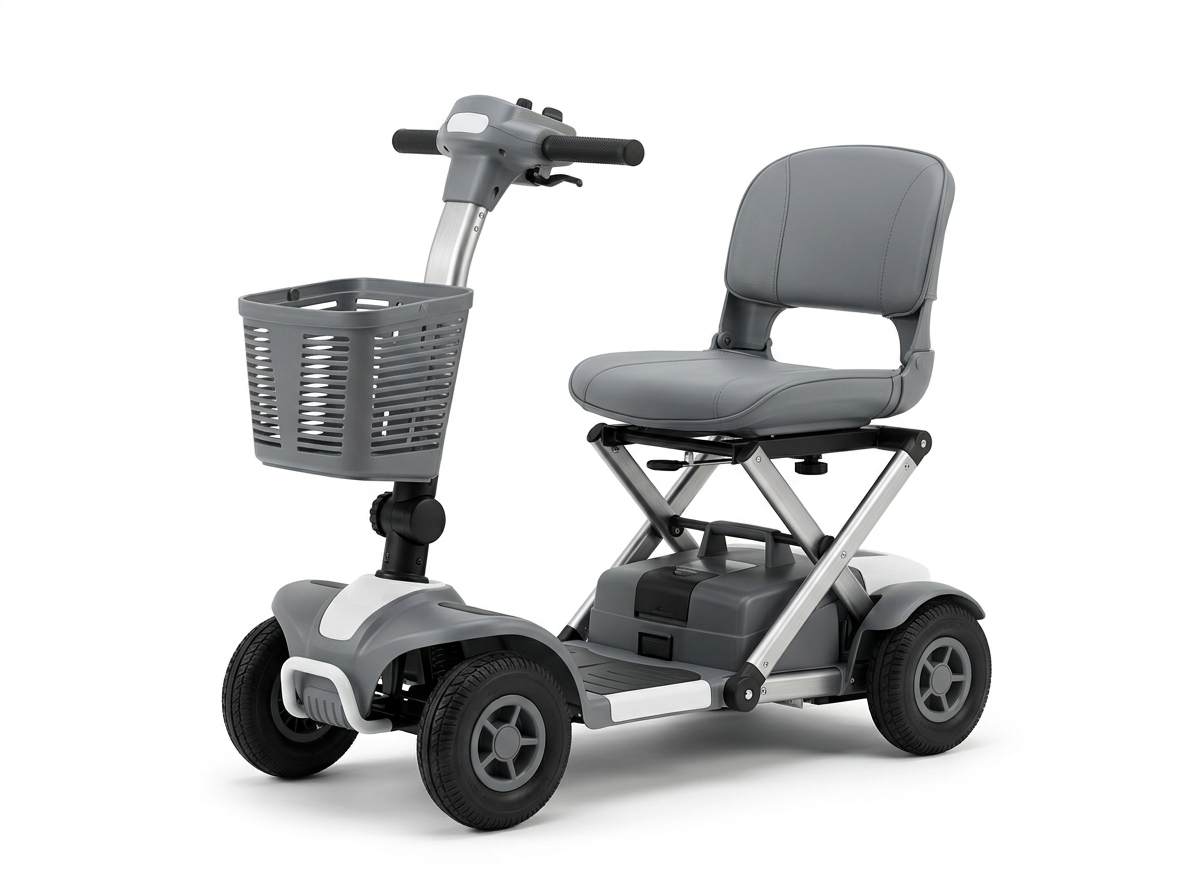
Walks with help, Takes some weight, Getting around
Travel mobility scooter
Foldable/portable powered scooter
- Typical price band
- $700–$1,500
- Brands you will see
- Vive, Pride, EV Rider
- Typical rating
- ~4.4★
- Commonly used for
- MS, General
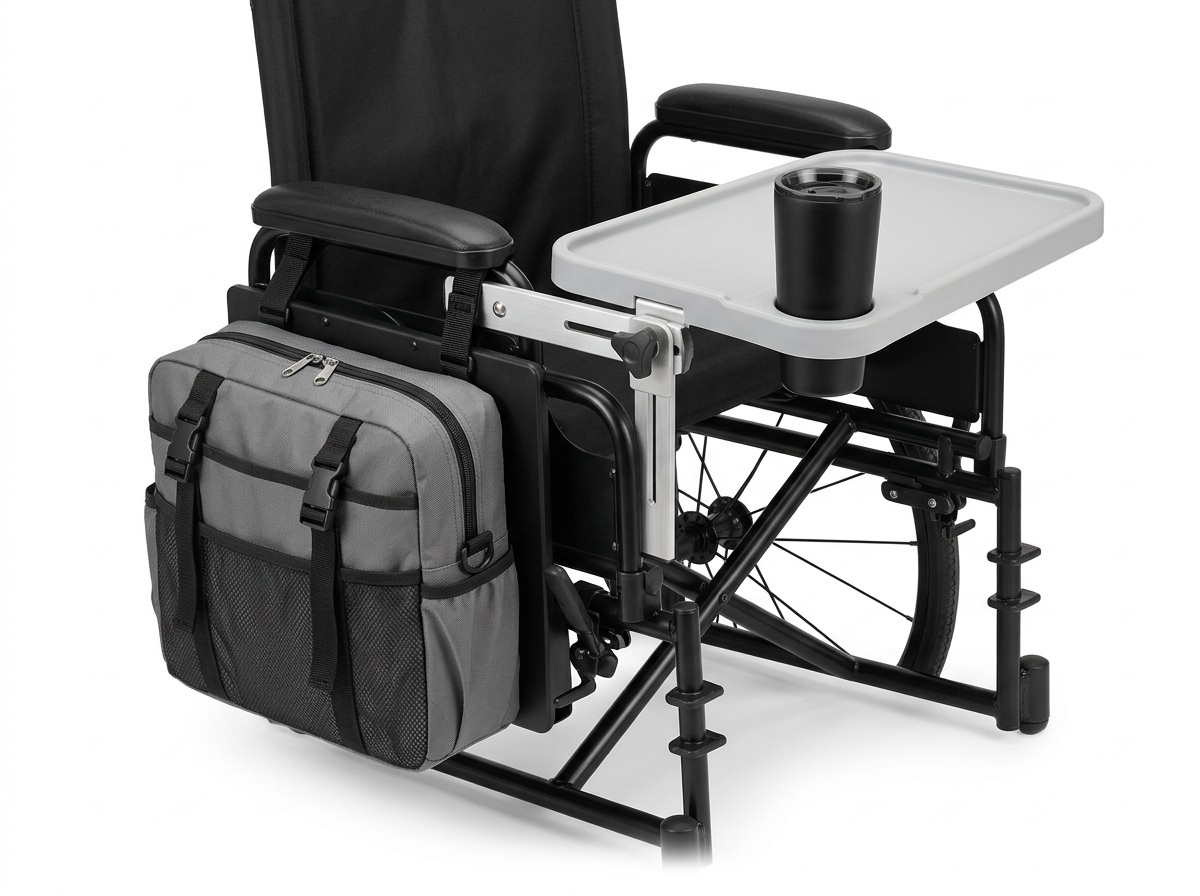
Getting around
Wheelchair bags & accessories
Side bags, cup holders, trays
- Typical price band
- $15–$35
- Brands you will see
- Vive, Stander
- Typical rating
- ~4.6★
- Commonly used for
- General
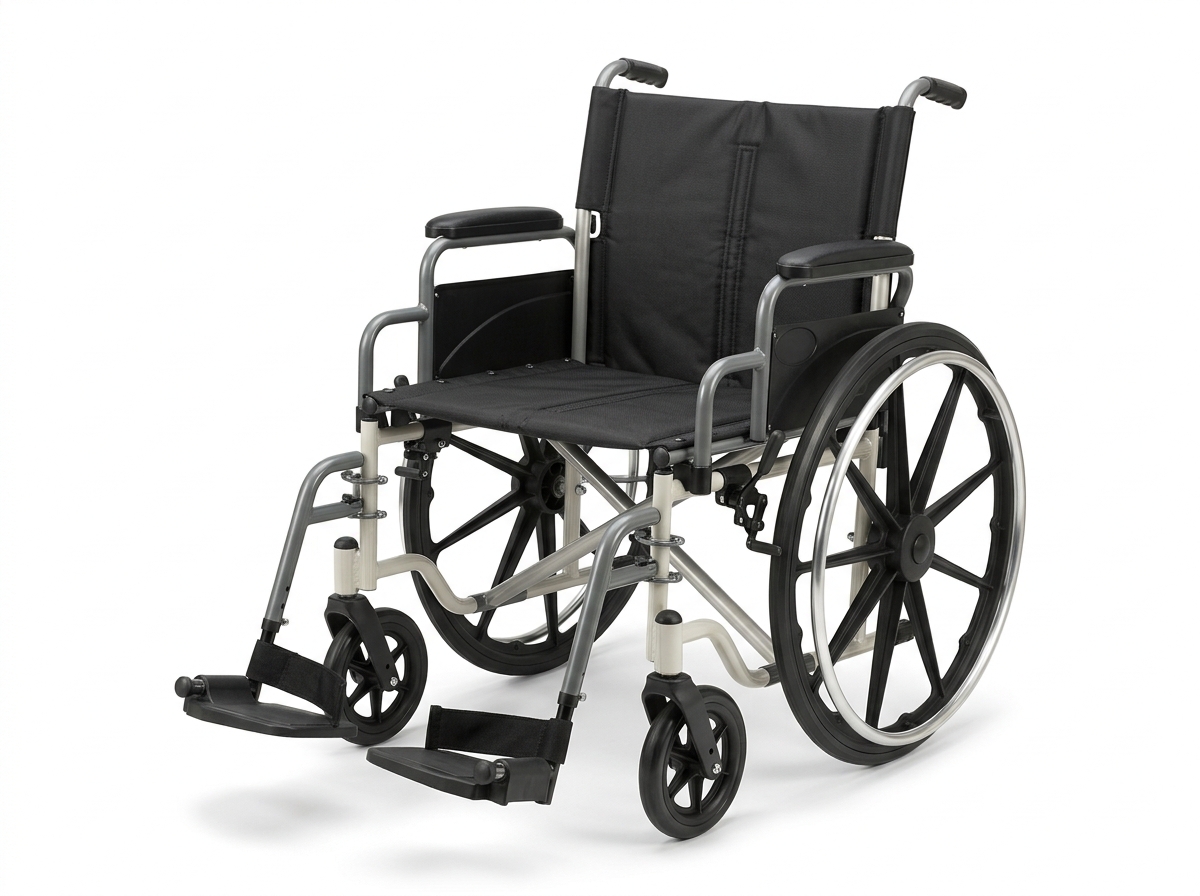
Takes some weight, Cannot bear weight, Getting around
Bariatric wheelchair
Wide, heavy-duty capacity
- Typical price band
- $200–$400
- Brands you will see
- Medline, Drive
- Typical rating
- ~4.4★
- Commonly used for
- Bariatric
How to choose a chair
The cushion decides comfort more than the chair does, and the weight decides whether anyone can get it into a car. Those are the two questions, roughly in that order.
Self-propel or transport
A self-propelling chair has large rear wheels with hand rims, so the person can move themselves. A transport chair has four small wheels and has to be pushed. Transport chairs are lighter and fold smaller, but they hand the independence to somebody else.
Weight is what decides whether it gets used
A chair too heavy to lift into a trunk stays in the hallway. Folded weight, and whether the rear wheels come off without tools, matter more in daily life than the figure on the brochure. See wheelchair to car transfers.
The cushion is not an accessory
Sitting all day on the sling upholstery a chair ships with concentrates pressure on the tailbone and the hips. A gel or foam cushion spreads it out. If the person is in the chair for hours, treat the cushion as part of the chair rather than an extra.
What this equipment costs, and who pays
Medicare Part B covers medically necessary durable medical equipment when a provider prescribes it for use at home. After the Part B deductible you pay 20 percent of the Medicare approved amount. Hospital beds, commode chairs, walkers, wheelchairs and scooters are all on Medicare’s own list.
Whether one specific item qualifies is decided case by case, so ask the clinic’s social worker before paying out of pocket. Check that the supplier is enrolled in Medicare and accepts assignment, and ask whether the item is rented or bought, because that differs by equipment type.
Our guides to free and low-cost equipment programs and financial resources cover the routes that are not Medicare, including loan closets and nonprofit grants.
Coverage details from Medicare on durable medical equipment.
Guides on this site
- Wheelchair to car transfers
- Pressure care and choosing a surface
- All nine transfer techniques
- Doorways, ramps and clear width
Before you buy anything
Check our equipment coverage guide first. Many of these items are covered as durable medical equipment, and a loan closet or a rental is often the better call than buying. Product links on this site earn a commission. It never changes which equipment we cover.