
Transfer aids
How to Use a Gait Belt Safely
A gait belt gives you a secure handhold at the waist so you can steady someone during a transfer or a short walk. Fit it over clothing, above the hips and below the ribcage, snug enough that your flat hand just fits underneath. It is for guiding and steadying only. It is never used to lift a person’s body weight.
Show guidance for someone who
Demonstration of fitting a gait belt and using it to steady a stand and a short walk. Captions and full transcript below.
Before you start
- Belt is inspected for frayed fabric, worn stitching, or a damaged buckle
- Belt is clean, per the manufacturer’s instructions
- The person is wearing clothing, the belt never goes against bare skin
- Footwear is on and the floor path is clear
- You have explained what you are about to do and they have agreed
The procedure
Tell them what you are about to do
Explain the movement before you touch them, and wait for them to be ready.
This is not a courtesy. Someone braced and expecting the movement helps you; someone startled pulls against you.
Position the belt above the hips
Hold the belt by its ends and wrap it around the waist over their clothing, above the hips and below the ribcage.
Over the ribs it restricts breathing, and on the hips it rides up. The gap between the two is the only correct place.
Fasten the buckle
Feed the end through the open hinge of the buckle, bring the fabric up over the teeth, then down through the opening on the non-hinged side.
Check the tightness with your flat hand
Slide your flat hand between the belt and their body. It should just fit.
Looser than that and the belt slips up under the arms the moment you take the weight of a stumble. Tighter and it hurts.
Tuck the excess strap away
Fold the loose tail of the strap back through and clear of their legs.
A trailing strap is a trip hazard on the very person you are steadying.
Ask before you move
Ask whether anything pinches or feels tight, and adjust before the transfer starts.
Grip underhand and steady, do not lift
Take the belt with an underhand grip at their side or back and use it to steady them through the movement. Never pull on an arm or on clothing.
An underhand grip lets you guide and slow a fall. A gait belt is not rated to take a person’s body weight, so if they cannot push up through their legs this is the wrong device and you want a stand assist or a lift.
Remove the belt and store it
Once they are settled, tell them you are removing the belt, unfasten it, and put it back where you keep it.
Use caution
- Move slowly. Forceful or sudden movements can frighten or hurt the person, and they are how caregivers get hurt too.
- If they say the belt is uncomfortable, adjust it. If discomfort continues, help them to a safe position and take the belt off.
- Inspect the belt before every single use. A worn buckle fails without warning.
- The belt is a handhold, not a harness. It does not make an unsafe transfer safe.
Stop and get help
- Their legs buckle or they cannot push up through them
- The belt rides up toward the ribs or under the arms during the movement
- Fabric is frayed, stitching is pulled, or the buckle does not hold
- You find yourself taking their weight through the belt rather than steadying them
Print the eight-step checklistOne page, large type, tape it to the wall by the bed.
Choosing a gait belt
A plain webbing belt with a metal buckle is what most families use and what most therapists teach with. Handled versions cost more and give you something firmer to hold, which matters if your own grip is limited. Size by waist measurement taken over clothing, not by clothing size.
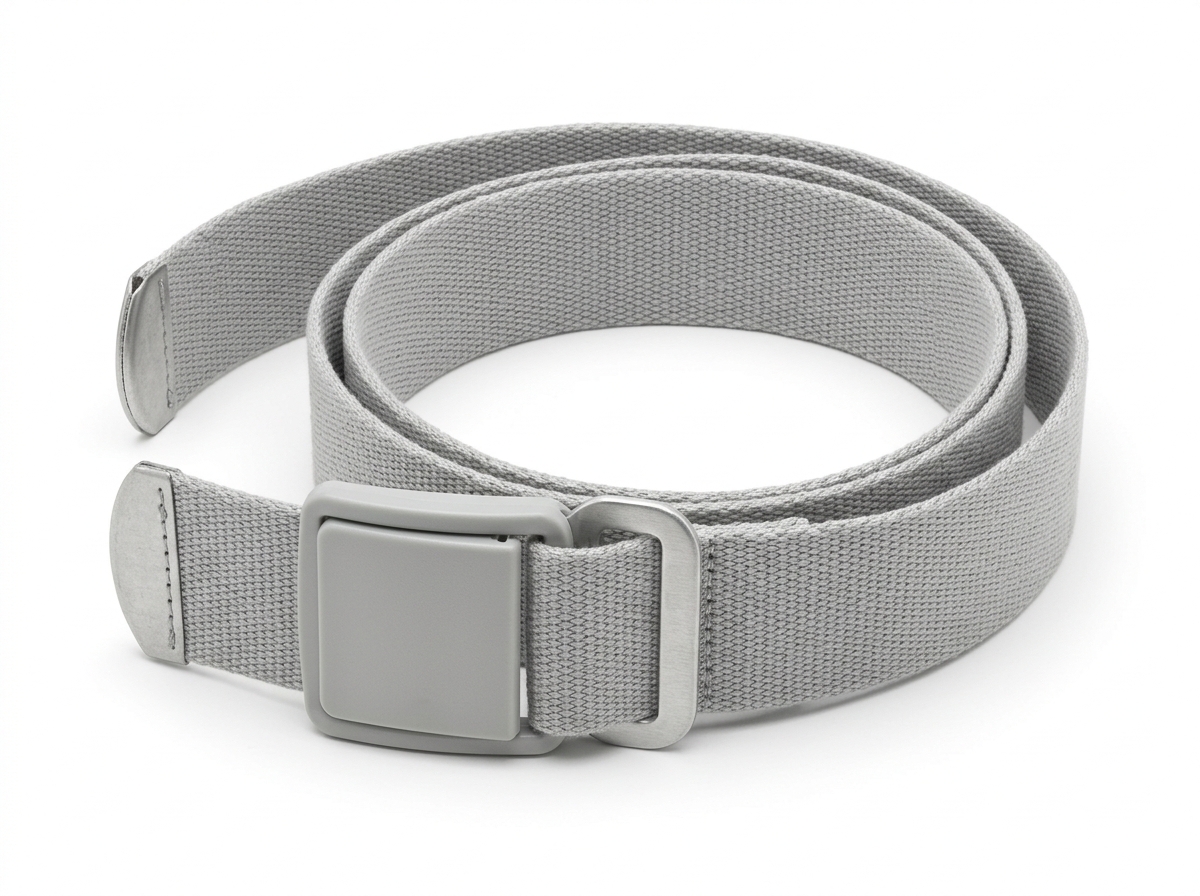
Transfer aid
Gait / transfer belt
The first device most families need, and the cheapest thing on this site that meaningfully reduces risk.
- Typical price band
- $6 to $25
- Brands you will see
- Vive, Secure, NYOrtho, Medline
- Sizing
- By waist measurement over clothing. Bariatric lengths exist.
- Handles
- Optional. Worth it if your own grip strength is limited.
Honest limitation: a gait belt only helps someone who can still take weight through their legs. If they cannot, no belt makes that transfer safe, and you want a stand assist or a full-body lift instead.
We earn a commission on this link. It does not change the price you pay, and it does not influence which equipment we cover.
When this stops working
A gait belt works while the person can still bear weight and follow instructions. Once their legs buckle, once they cannot help with the movement, or once you are taking their weight rather than steadying it, the belt is past its usefulness. The next step is a stand assist like the Sara Stedy while they can still grip and bear some weight, and a full-body lift after that.
Common questions
Can I use a gait belt to lift someone off the floor?
No. A gait belt is for guiding and steadying someone who is bearing their own weight. It is not rated to take a person’s body weight and it is not a lifting device. Someone on the floor needs a lift, or emergency services.
Where exactly should the belt sit?
Around the waist over clothing, above the hips and below the ribcage. Over the ribs it restricts breathing; on the hips it slides up during the movement.
How tight is tight enough?
You should just be able to slide your flat hand between the belt and their body. Any looser and it rides up at the moment you need it.
Does it go over or under clothing?
Always over clothing. Directly against skin it chafes and can bruise.