
Equipment
Transfers and lifts
Equipment for moving someone between a bed, a chair, a commode, or a car. Which one is right depends on how much weight the person can take through their legs, so the guides are ordered by that, not by price.
How to use this page
Every item below is listed with what it is for, the price band to expect, and the brands you will actually see. Ask your occupational or physical therapist which of these fits before you buy: much of it is covered as durable medical equipment with a physician order.
About the product links on this page. Where we link to a specific product, we earn a commission if you buy through it. It does not change the price you pay, and it does not influence which equipment we cover.
Transfers and lifts: 16 items
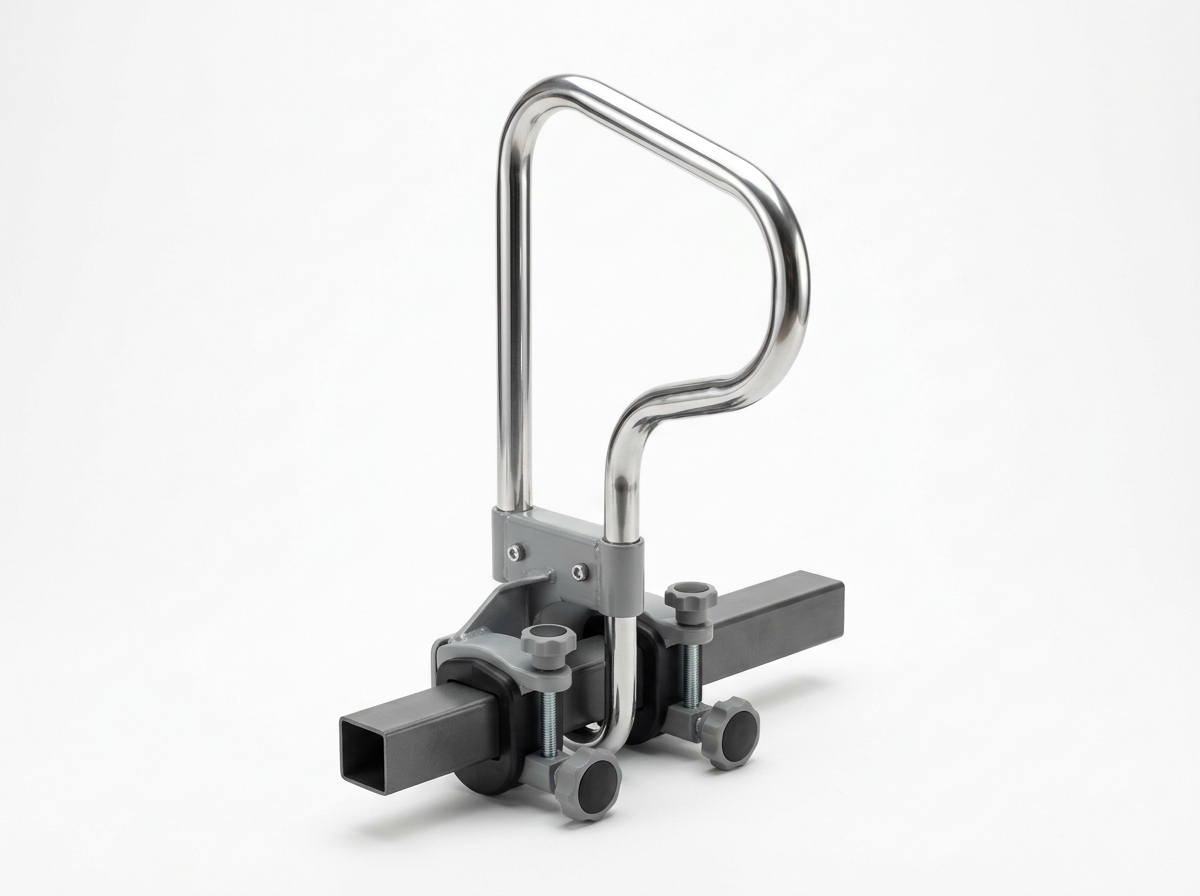
Takes some weight, Moving in bed, Balance and falls
Bed rail / assist rail
Grab rail mounted to bed for turning/exit
- Typical price band
- $30–$70
- Brands you will see
- Stander, Vive, DMI
- Typical rating
- ~4.5★
- Commonly used for
- Bed mobility, Fall risk
Ask your occupational or physical therapist which version of this suits the person you care for. Many items in this category are covered as durable medical equipment with a physician order: see the coverage guide.
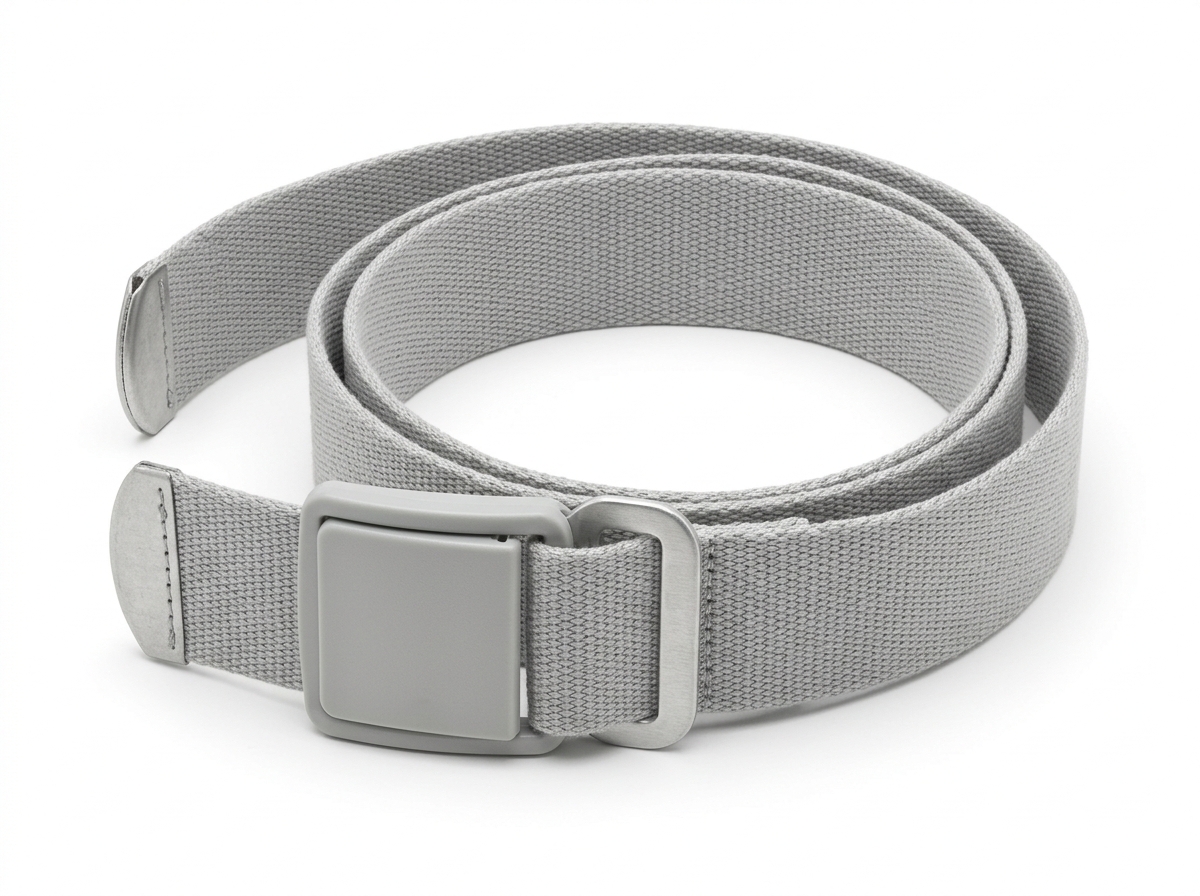
Walks with help, Transfers, Balance and falls
Gait / transfer belt
Secure handle at waist for safe transfers
- Typical price band
- $6–$25
- Brands you will see
- COW&COW, Vive, LiftAid, Secure, Posey
- Typical rating
- ~4.6★
- Commonly used for
- All
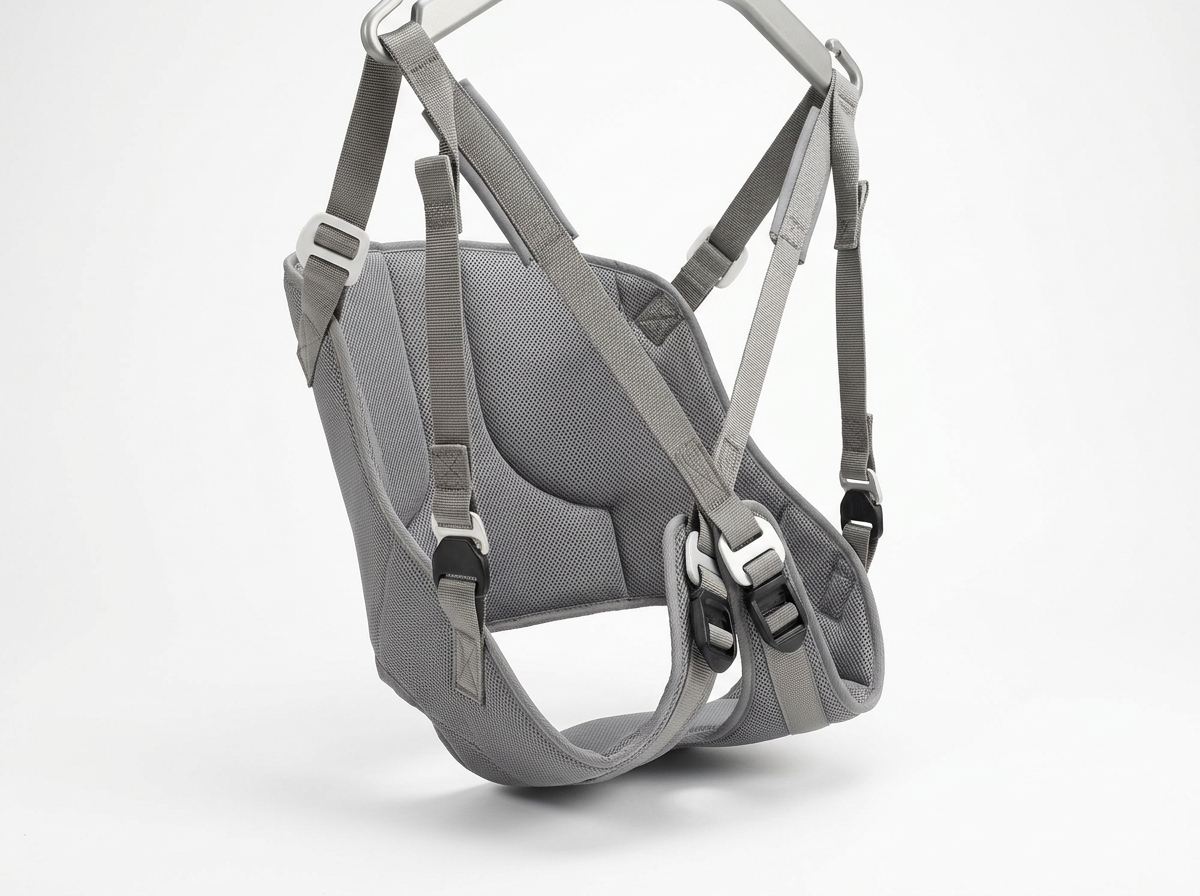
Cannot bear weight, Transfers
Patient lift sling
Sling that attaches to lift spreader bar
- Typical price band
- $30–$90
- Brands you will see
- ProHeal, Vive, NEPPT
- Typical rating
- ~4.5★
- Commonly used for
- With any lift
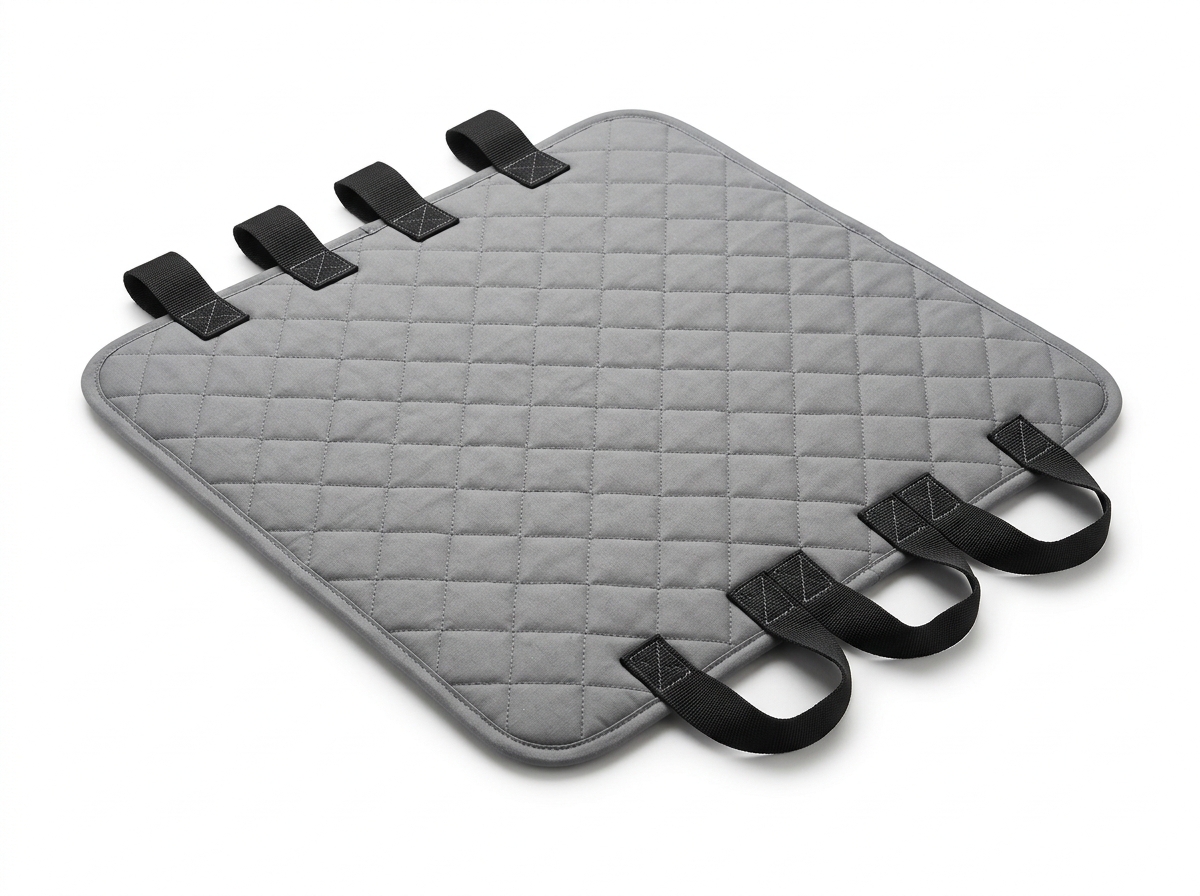
Mostly in bed, Moving in bed, Skin and pressure
Positioning bed pad w/ handles
Padded sheet w/ handles to lift/turn in bed
- Typical price band
- $22–$35
- Brands you will see
- RMS, Vive
- Typical rating
- ~4.6★
- Commonly used for
- Bed mobility
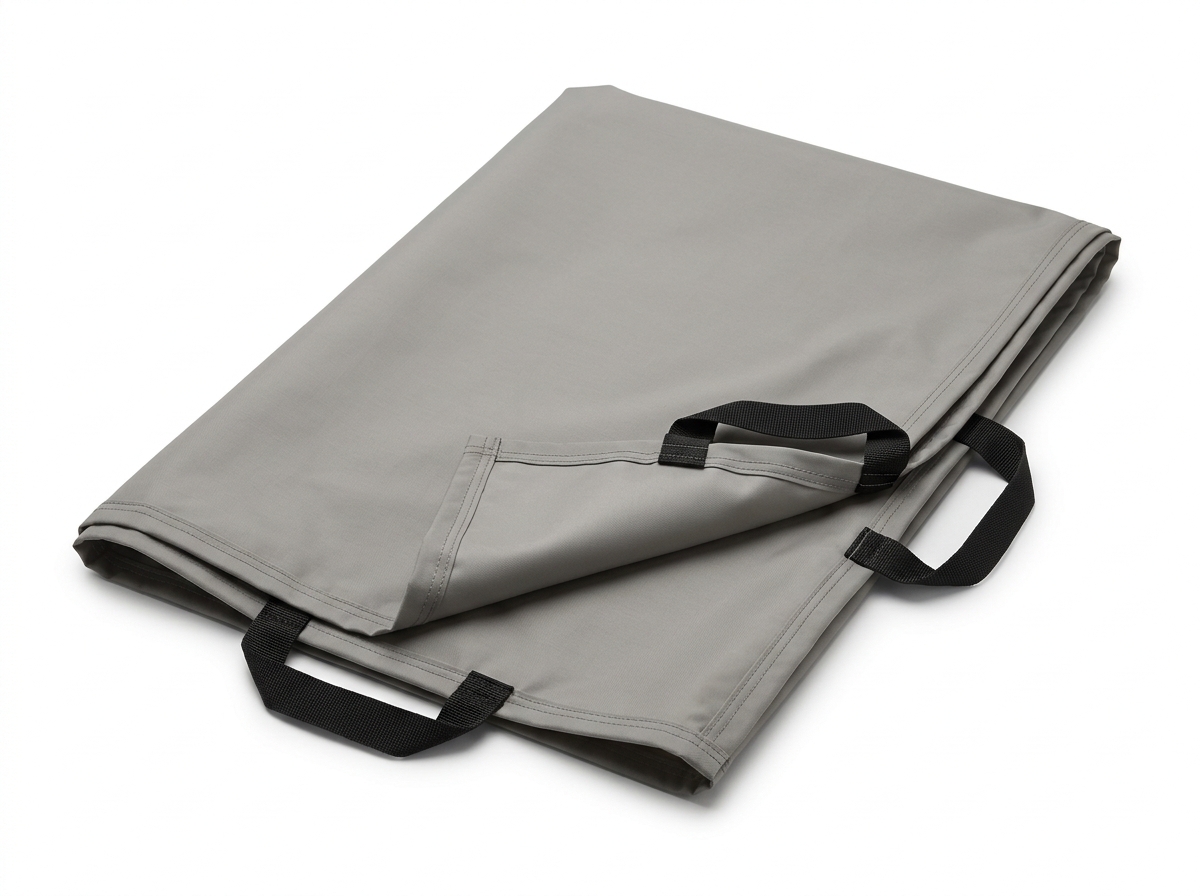
Mostly in bed, Moving in bed, Skin and pressure
Slide / draw sheet (positioning)
Reduces friction moving/repositioning in bed
- Typical price band
- $20–$40
- Brands you will see
- Vive, NEPPT, RMS
- Typical rating
- ~4.6★
- Commonly used for
- Bed mobility, Dependent
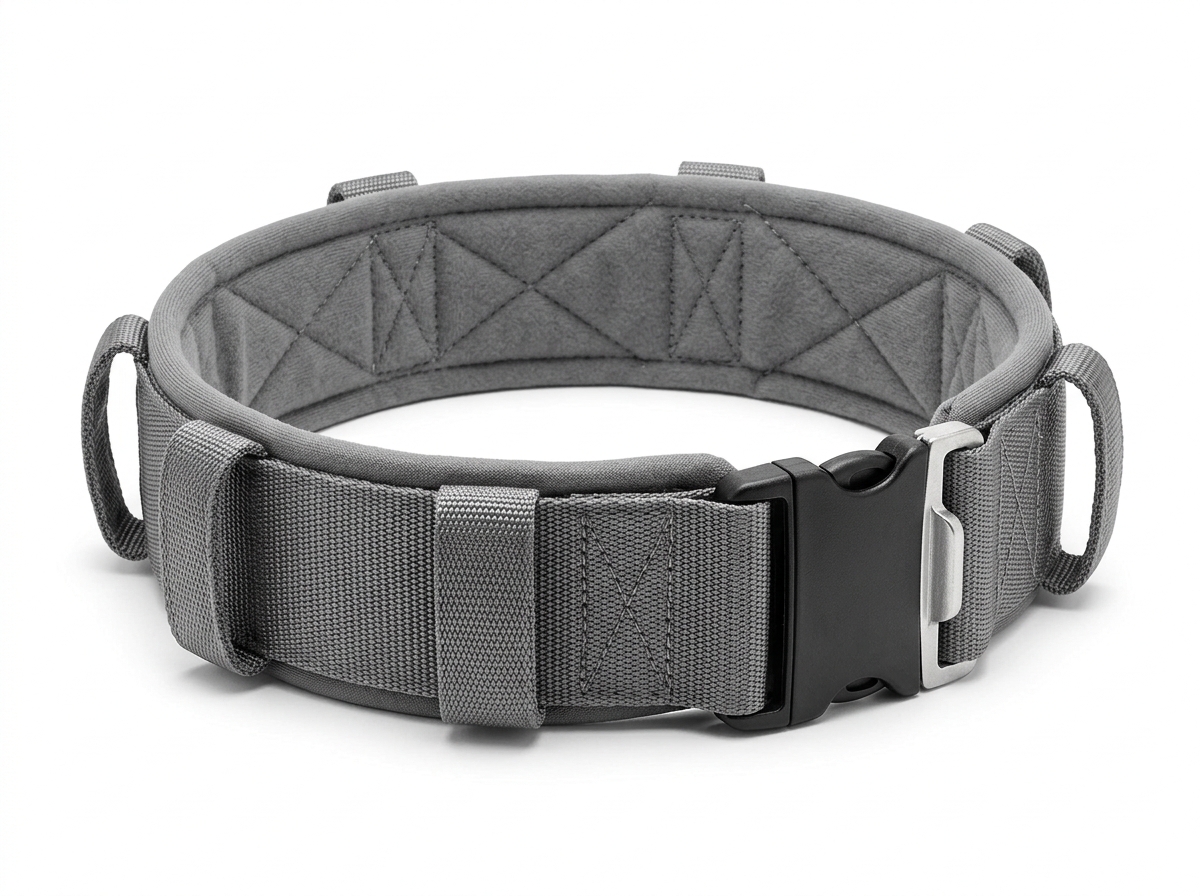
Walks with help, Transfers, Balance and falls
Bariatric gait belt (7 handles/leg straps)
Heavy-duty transfer belt with extra grips
- Typical price band
- $18–$45
- Brands you will see
- Vive, Aliseniors
- Typical rating
- ~4.4★
- Commonly used for
- Bariatric
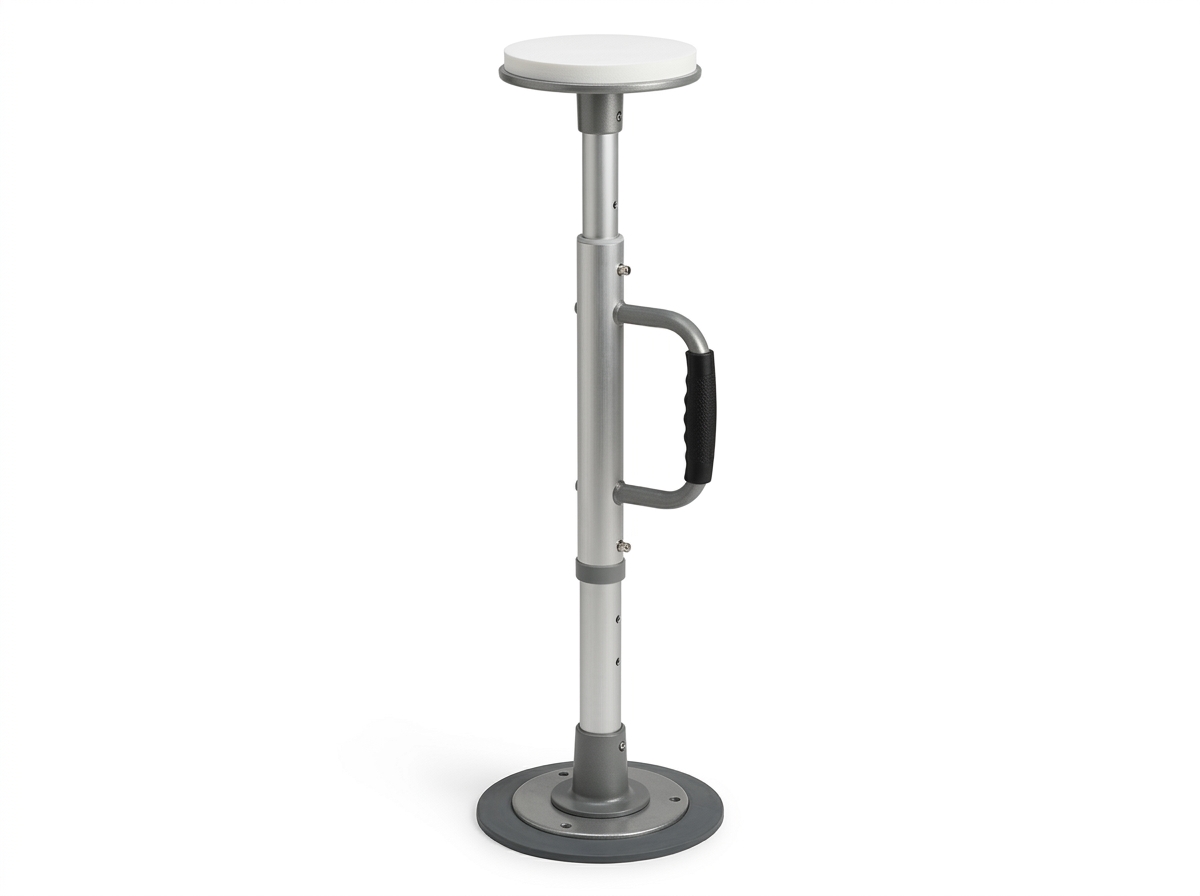
Takes some weight, Moving in bed, Transfers
Bed assist bar / stand-up pole
Vertical grab pole to rise from bed
- Typical price band
- $40–$120
- Brands you will see
- Stander, Able Life, Signature Life
- Typical rating
- ~4.6★
- Commonly used for
- Parkinson’s, General
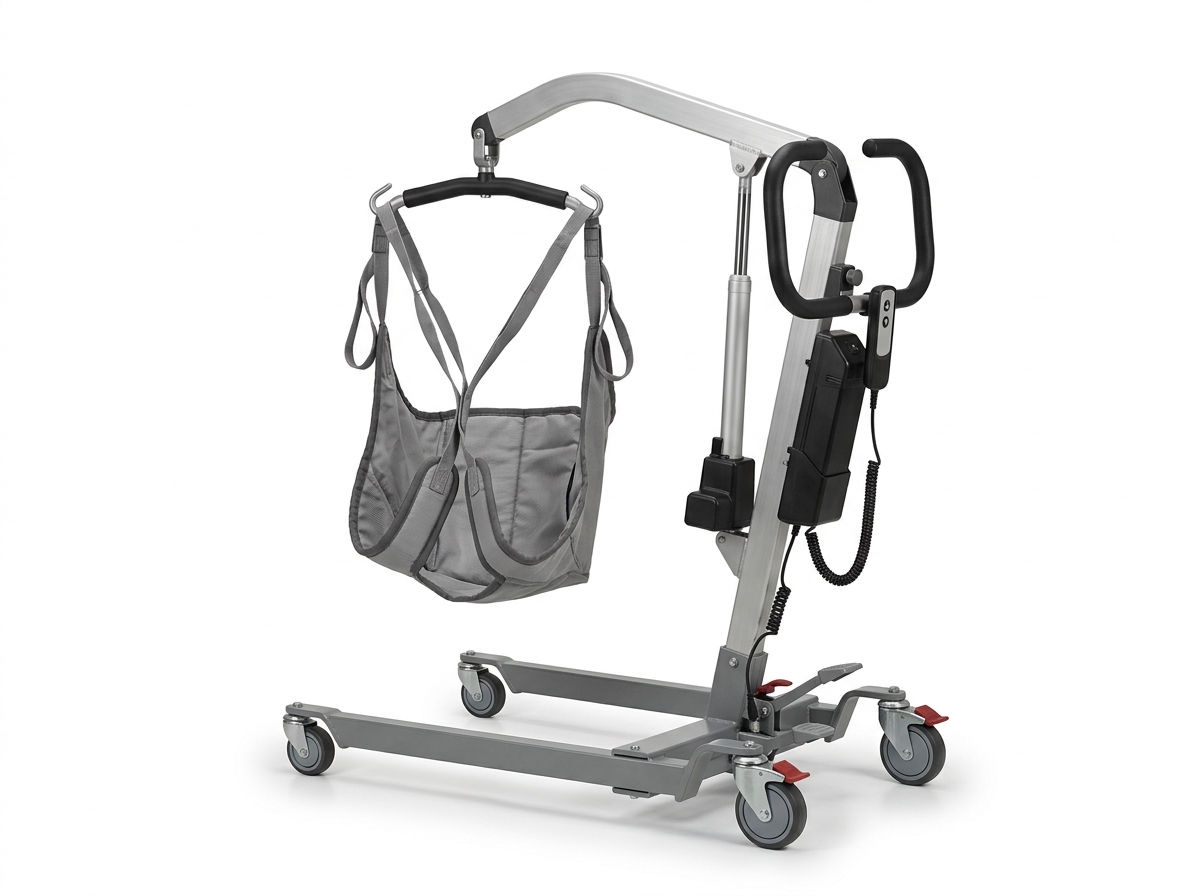
Cannot bear weight, Transfers
Electric patient lift (Hoyer)
Powered full lift for non-weight-bearing
- Typical price band
- $700–$1,600
- Brands you will see
- Drive Medical, ProHeal, Vive
- Typical rating
- ~4.4★
- Commonly used for
- Dependent, ALS
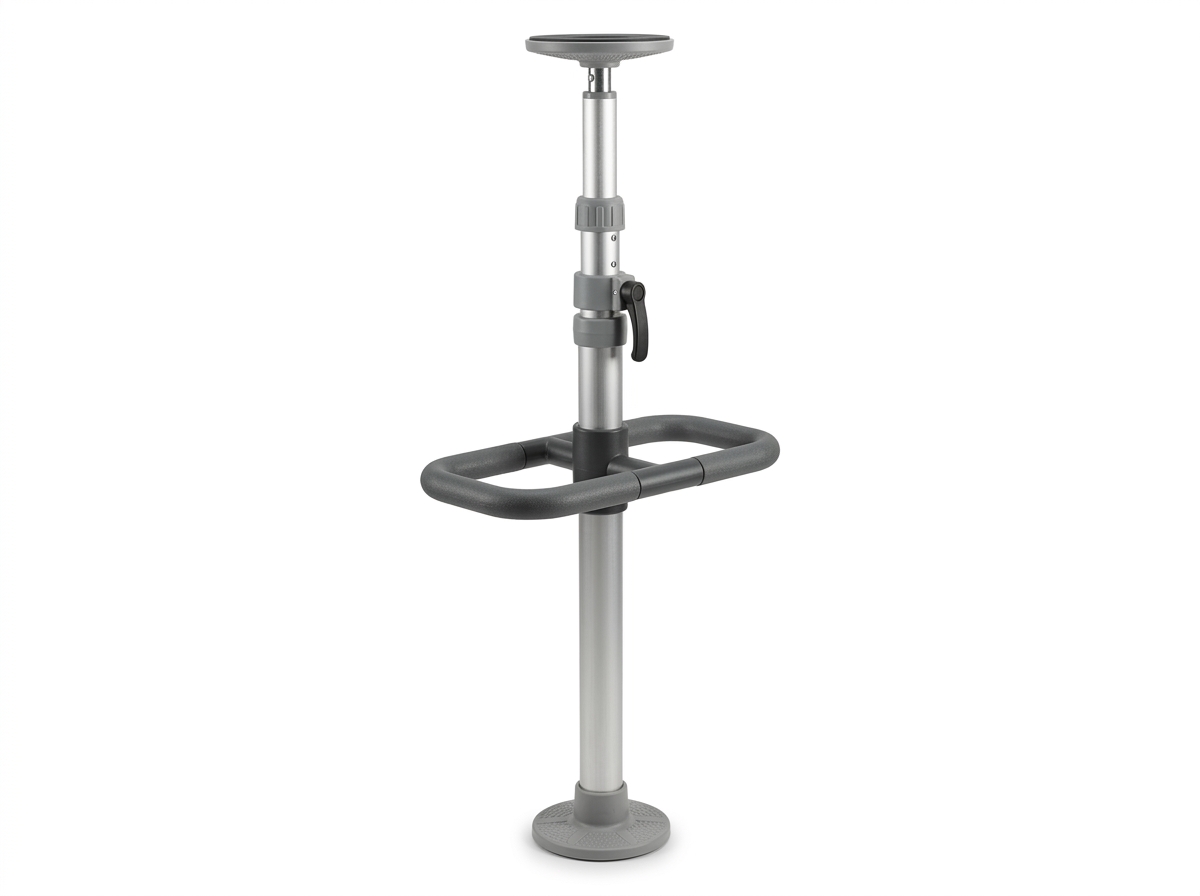
Takes some weight, Transfers, Balance and falls
Floor-to-ceiling transfer pole
Tension pole for standing/pivoting support
- Typical price band
- $90–$180
- Brands you will see
- Stander, HealthCraft
- Typical rating
- ~4.6★
- Commonly used for
- Transfers, Balance
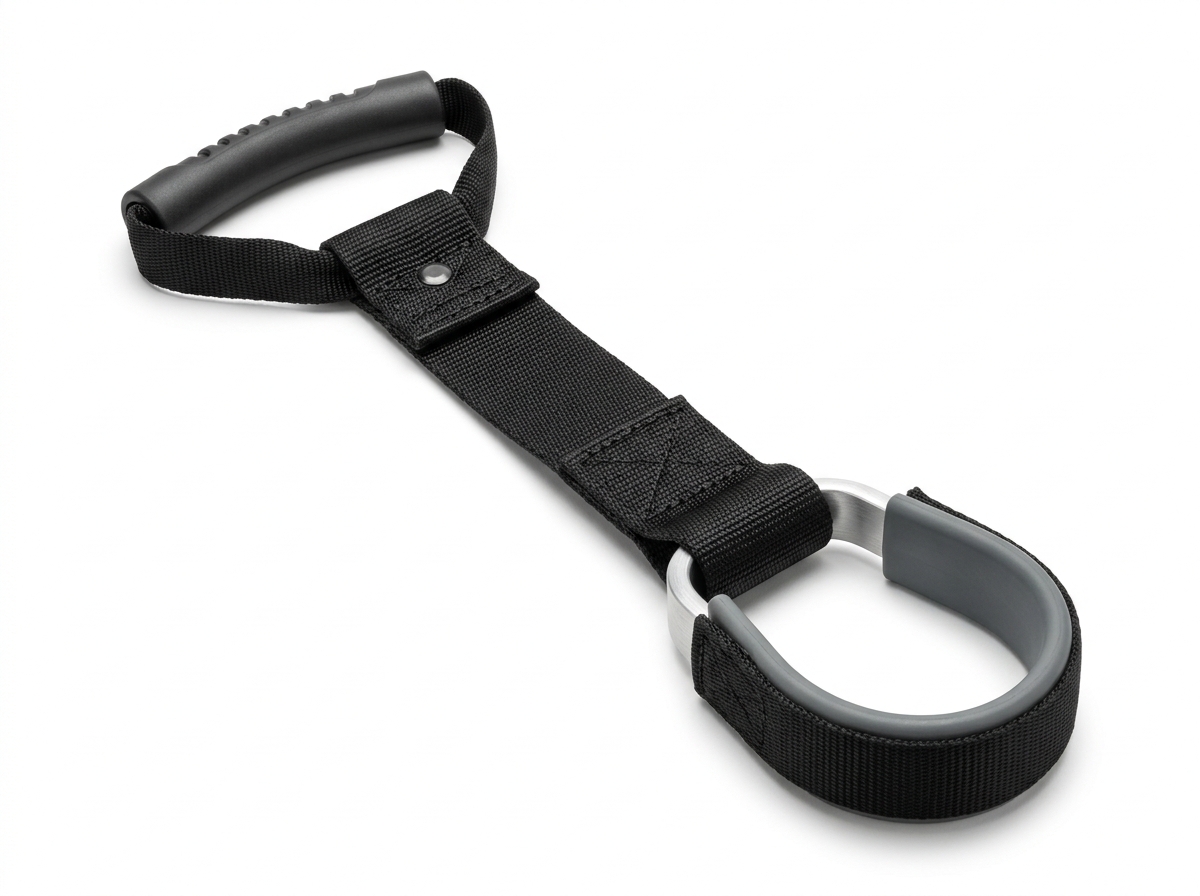
Takes some weight, Mostly in bed, Moving in bed
Leg lifter strap
Rigid loop strap to move a weak leg
- Typical price band
- $10–$18
- Brands you will see
- Vive, RMS, Fanwer
- Typical rating
- ~4.5★
- Commonly used for
- Leg weakness
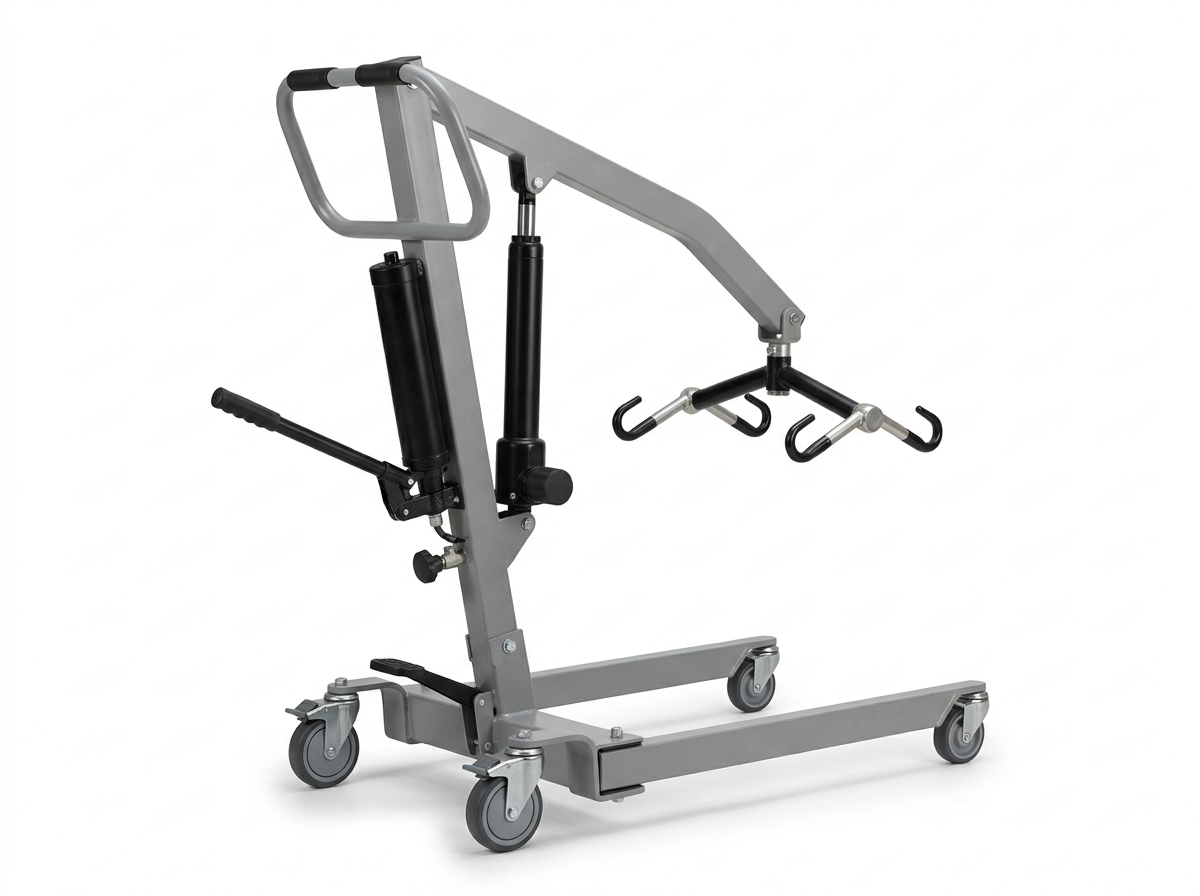
Cannot bear weight, Transfers
Manual hydraulic patient lift
Hand-pump full-body lift
- Typical price band
- $400–$800
- Brands you will see
- Drive, ProHeal
- Typical rating
- ~4.4★
- Commonly used for
- Dependent
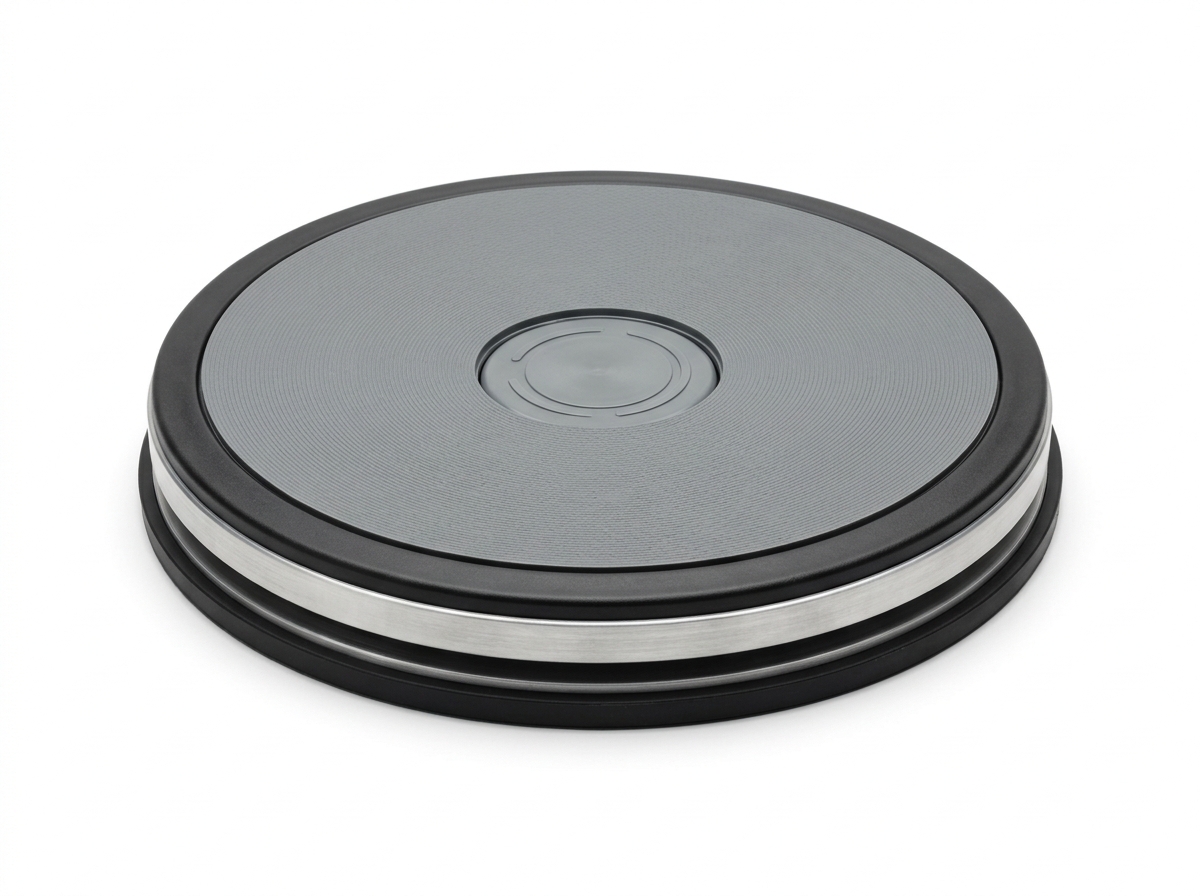
Takes some weight, Transfers
Pivot transfer disc / turntable
Rotating disc for stand-pivot turns
- Typical price band
- $20–$45
- Brands you will see
- Vive, BodyHealt, Able Life
- Typical rating
- ~4.5★
- Commonly used for
- Stand pivot, Parkinson’s
Ask your occupational or physical therapist which version of this suits the person you care for. Many items in this category are covered as durable medical equipment with a physician order: see the coverage guide.
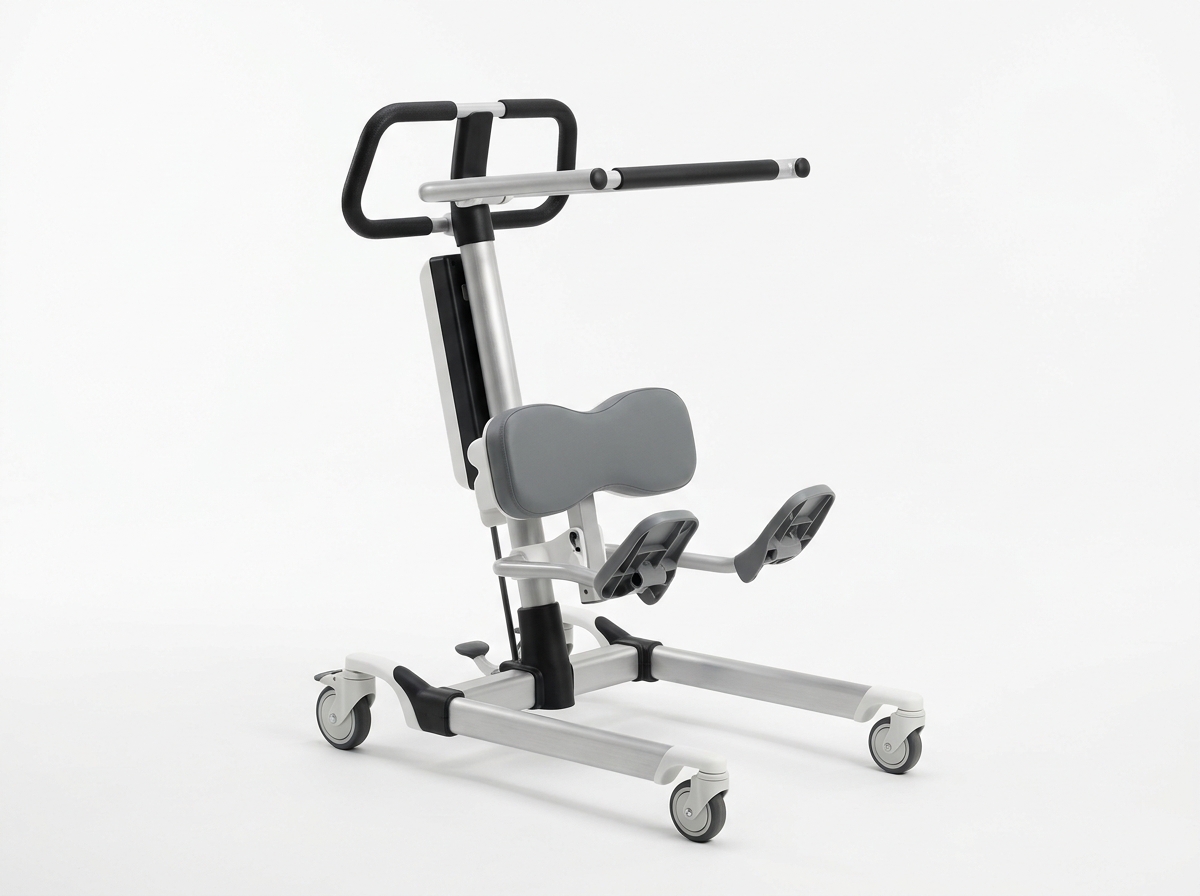
Takes some weight, Transfers
Sit-to-stand aid (non-powered)
Manual stand-assist frame (Sara Stedy type)
- Typical price band
- $150–$400
- Brands you will see
- BEYOUR WALKER, Uspacific, Vive
- Typical rating
- ~4.3★
- Commonly used for
- Partial weight-bearing
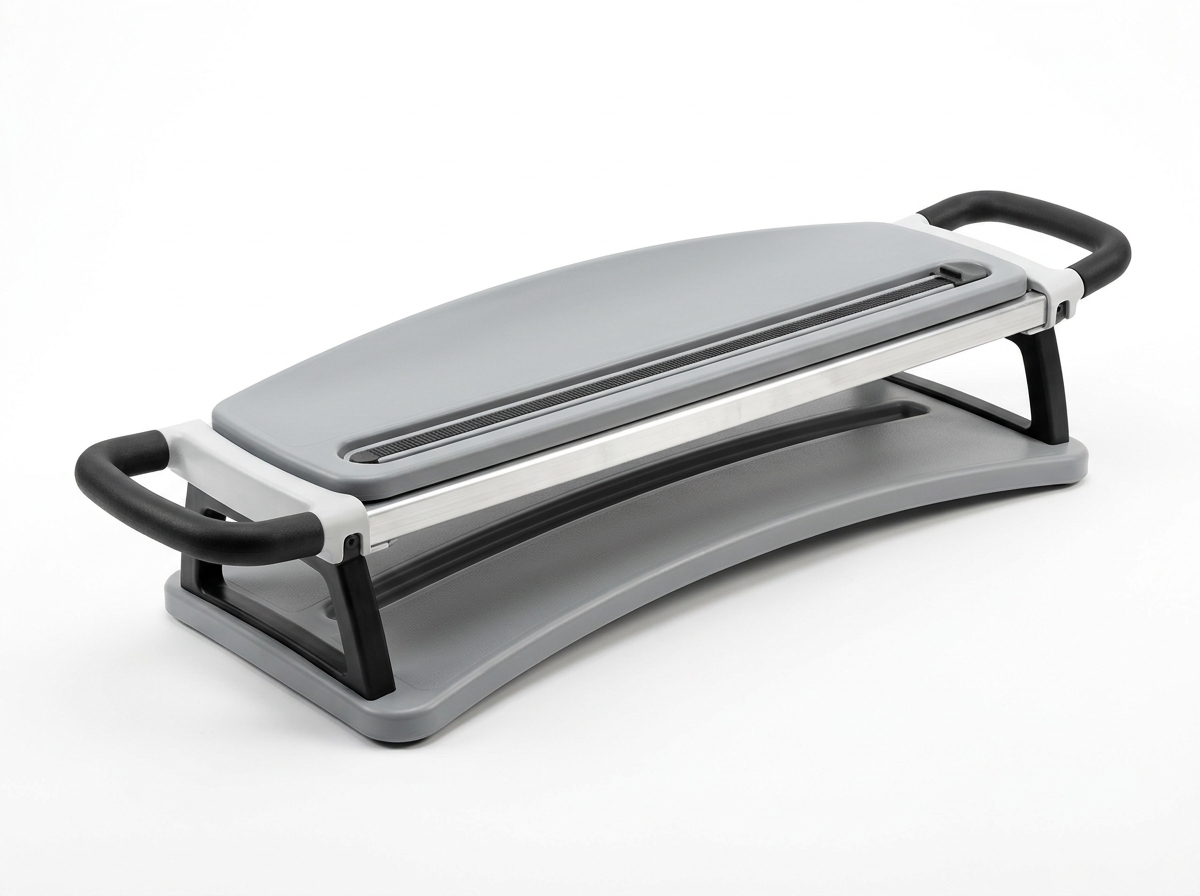
Cannot bear weight, Transfers
Transfer / slide board
Bridge between two surfaces for seated transfer
- Typical price band
- $25–$60
- Brands you will see
- Vive, RMS, BeauMar
- Typical rating
- ~4.6★
- Commonly used for
- SCI, Stroke
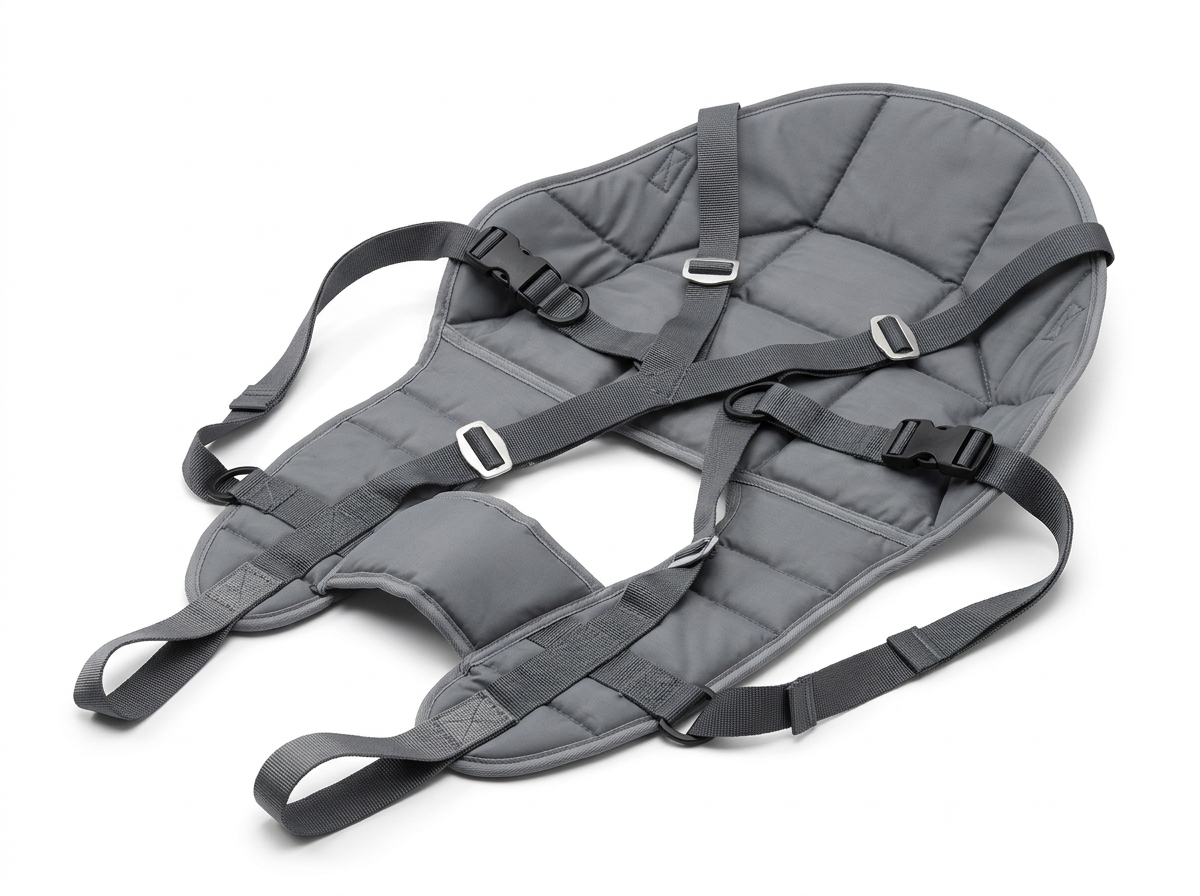
Cannot bear weight, Transfers
Transfer sling (padded)
Full-body/torso sling for dependent transfers
- Typical price band
- $18–$40
- Brands you will see
- Vive, NEPPT
- Typical rating
- ~4.4★
- Commonly used for
- Dependent, ALS
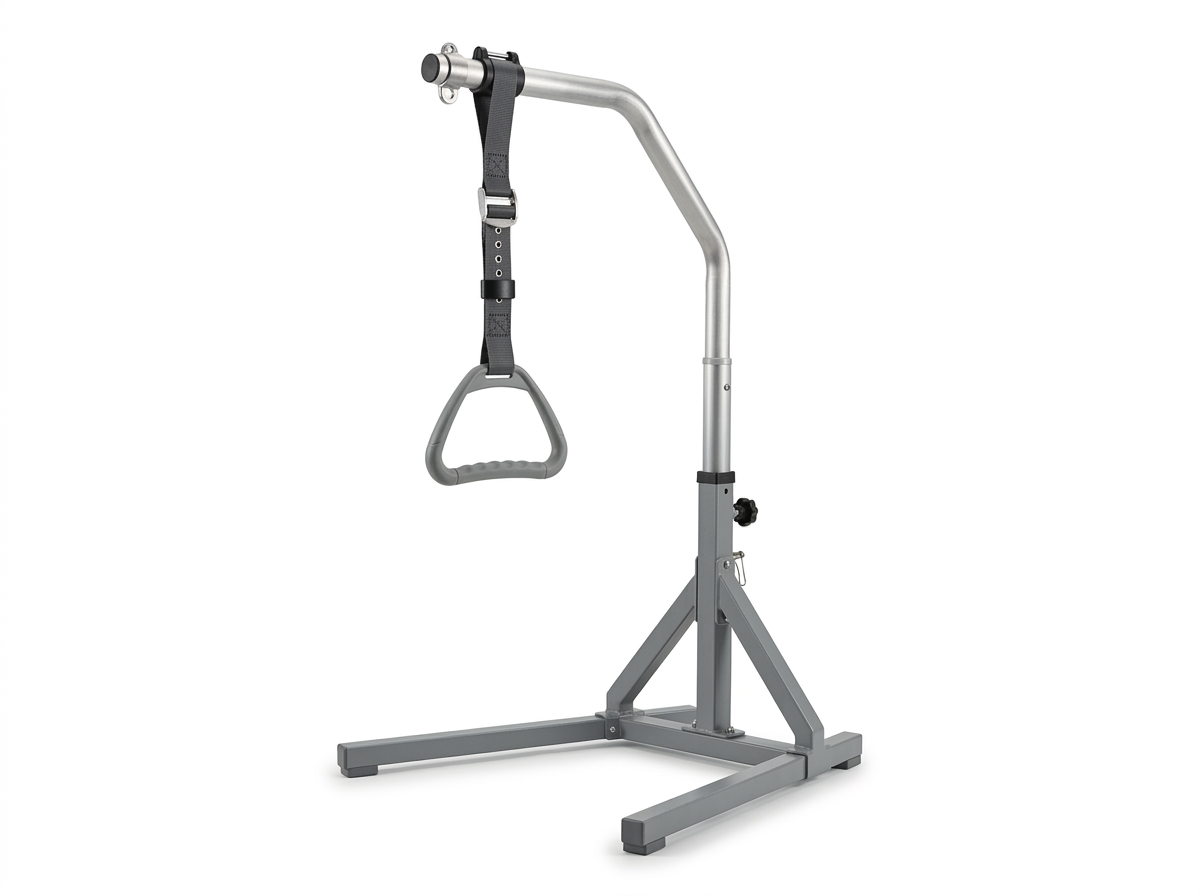
Mostly in bed, Moving in bed
Overhead trapeze bar
Overhead bar to reposition/sit up in bed
- Typical price band
- $60–$150
- Brands you will see
- Drive, Vaunn
- Typical rating
- ~4.5★
- Commonly used for
- SCI, Bed mobility
How to choose transfer equipment
The question is not which device is best. It is how much weight the person can still take through their legs today, and how fast that is changing. Equipment matched to the wrong stage is where injuries happen, to them and to you.
Match the equipment to weight bearing
- Still walks with help. A gait belt gives you something to hold. It steadies and guides. It never lifts body weight, and it is not a handle for hauling someone upright.
- Takes some weight and can grip. A sit-to-stand aid or a pivot disc turns a stand into a controlled turn, as long as they can hold on and their feet stay planted.
- Cannot take weight, but has arm strength and trunk control. A transfer board bridges the gap between two surfaces so nobody is lifted clear of them.
- Cannot take weight reliably. A patient lift. At this point the equipment does the lifting, not you, and that is the correct answer rather than a defeat.
Two things people get wrong when buying a patient lift
Floor clearance decides whether a floor lift works at all. The legs of the base have to pass under the bed. A platform bed or a solid frame skirt stops it, and no amount of sling adjustment fixes that. Measure before you order.
The sling matters as much as the lift. Lifts usually ship with one sling, often the wrong size, and slings are not freely interchangeable between brands. Size it for the person rather than accepting whatever came in the box.
We cover this in detail in sling types and sizing, choosing a lift for home use, and ceiling lift versus floor lift.
A bed rail is not a fall device
A bed rail helps someone who can still use their arms to turn, sit up, or steady themselves on the way out of bed. Once they cannot do that, the rail stops being an aid and becomes something to get caught in. Ask the therapist first, and ask again as arm strength changes.
Working height is the thing you control
Most caregiver back injuries are not one dramatic lift. They accumulate from many transfers done at the wrong height with the person too far away. Raise the bed toward your hip, get close before you start, and move your feet instead of twisting. See body mechanics and back injury prevention.
What this equipment costs, and who pays
Medicare Part B covers medically necessary durable medical equipment when a provider prescribes it for use at home. After the Part B deductible you pay 20 percent of the Medicare approved amount. Hospital beds, commode chairs, walkers, wheelchairs and scooters are all on Medicare’s own list.
Whether one specific item qualifies is decided case by case, so ask the clinic’s social worker before paying out of pocket. Check that the supplier is enrolled in Medicare and accepts assignment, and ask whether the item is rented or bought, because that differs by equipment type.
Our guides to free and low-cost equipment programs and financial resources cover the routes that are not Medicare, including loan closets and nonprofit grants.
Coverage details from Medicare on durable medical equipment.
Buying this equipment
Where an item above is stocked by a medical supplier rather than a general retailer, we link both. For lifts and slings that difference matters, because sizing and weight ratings are not optional and a general listing often will not tell you either.
Before ordering a lift, measure the clearance under the bed. Before ordering a sling, check the cradle type on the lift you already have. Neither is returnable once used.
Step by step guides for these transfers
Buying the equipment is the easy half. These walk through the technique.
- All nine transfer techniques, grouped by how much weight the person can bear
- Using a gait belt safely
- Using a slide board
- Operating a Hoyer lift
- Moving someone up in bed with a slide sheet
- What to do when someone falls
- Wheelchair to car transfers
Before you buy anything
Check our equipment coverage guide first. Many of these items are covered as durable medical equipment, and a loan closet or a rental is often the better call than buying. Product links on this site earn a commission. It never changes which equipment we cover.