
Transfer techniques
How to Do a Squat Pivot Transfer Safely
A squat pivot moves someone between two seated surfaces of similar height, a wheelchair to a bed, chair, or toilet, without them coming to full standing. Use it when they can take some weight through their legs but cannot stand, even with help. You bring their hips clear of the seat, step your feet around, and lower them. The gait belt steadies them, it never lifts their body weight.
Show guidance for someone who
Demonstration of a squat pivot from a wheelchair to a bed with a gait belt. Watch the caregiver’s knees and feet, not their hands. Captions and full transcript below.
Before you start
- Both surfaces are close together and at a similar height
- Footplates are swung clear and the floor around both surfaces is empty
- Gait belt is inspected for frayed fabric, pulled stitching, or a damaged buckle
- You have judged today’s strength and fatigue, not last week’s
- You have explained every part of the move and they have agreed to it
- A second person is with you if their weight or their fatigue calls for one
The procedure
Park the wheelchair at a slight angle to the new surface
Bring the chair as close as it will go to the bed or seat, turned at a slight angle rather than square on.
The angle shortens the turn to a quarter of a circle. Square on, you have to swing them a half circle while holding them in a squat, and that is where people get dropped.
Lock the brakes
Set both wheel locks and give the chair a small push to confirm it does not move.
The moment they push down through their hands, an unlocked chair slides backward out from under them.
Fit the gait belt around their waist
Put the belt over their clothing and snug it above the hips, never across the abdomen or the chest. Our guide to fitting a gait belt covers the buckle and the tightness check.
A belt sitting on the ribs or the belly presses on breathing and on the stomach exactly when you pull on it.
Bring their feet flat onto the floor
Place both feet flat and slightly apart, underneath their knees rather than out in front of them.
Feet parked out in front cannot push. Under the knees, the little weight they can take actually goes into the floor and off your back.
Set your own stance in front of them
Stand facing them with your feet shoulder width apart, knees bent, back straight, and your chest close to theirs.
Reaching in from a distance forces you to round your back. Close in, your legs and their legs do the work between you.
Take an underhand hold on the belt
Grip the belt underhand at their sides or back with one or both hands. Use it to steady and guide only.
A gait belt is not rated to carry a person’s body weight. If your arms are doing the lifting instead of their legs, stop and use a lift instead.
Move on an agreed count into a squat, not a stand
Count out loud together. They lean forward and push through their feet and their hands on the armrests or their thighs, while you straighten your legs just enough to bring their hips clear of the seat.
Coming up to full standing is not the goal here and asking for it is how the knees give way. A couple of inches of clearance is all you need.
Step your feet around to face the new surface
Turn by moving your own feet in small steps so your whole body rotates with them, keeping them upright and supported the whole way.
Twisting at the waist while loaded is the classic way caregivers injure their lower back. Your shoulders, hips, and feet should always point the same direction.
Lower them by bending your knees
Sink down with your legs, not your back, until they are seated. Guide their hips back against the chair or bed before you let go of the belt, then ask how they feel and put what they need within reach.
Letting go while they are perched on the front edge is how someone slides off a surface they have only just reached.
Use caution
- Go slowly. Rushing a squat pivot is how the mistakes happen, to them and to you.
- Strength and fatigue change from day to day and sometimes from morning to evening. Judge the person in front of you now.
- Never lift with your back. Your legs do the work, or the transfer does not happen.
- If they say anything hurts or feels wrong, stop where you are and reassess before you continue.
- Get a PT or an OT to watch you do this in person at least once. Reading a page is not training.
Stop and get help
- Their legs take no weight at all, or their knees buckle as they push
- You are carrying their weight through the belt rather than steadying them
- They cannot follow the count, hold their balance, or keep their hands placed
- Pain, dizziness, or breathlessness at any point in the move
- The two surfaces are too far apart, or too different in height, to reach in one pivot
Print the nine-step checklistOne page, large type, tape it to the wall by the bed.
What you need for a squat pivot
The equipment list is short: a gait belt, two stable surfaces at a similar height, and enough floor space for you to take three small steps. A squat pivot needs less room than most other transfers, which is why it works in bathrooms and beside beds pushed against a wall. Follow the instructions that came with your own belt for its rated use and care.
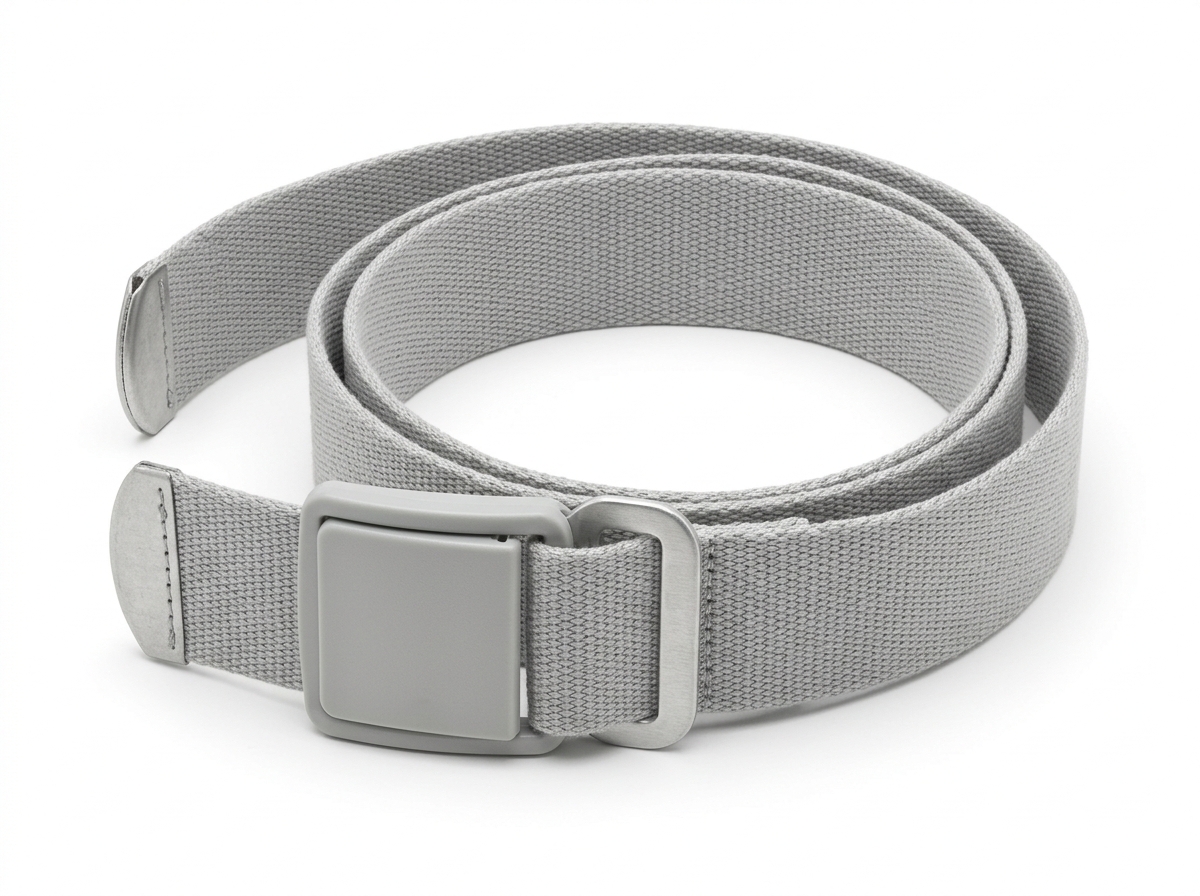
Transfer aid
Gait / transfer belt
The one piece of equipment a squat pivot depends on, and the cheapest thing that lowers the risk for both of you.
- What it does here
- Gives you a firm handhold at the waist so you can steady and guide the pivot. It is not a lifting device.
- Where it sits
- Over clothing, snug above the hips. Never across the abdomen or the chest.
- How to hold it
- Underhand, at the sides or the back, one or both hands.
- Before every use
- Check the webbing, the stitching, and the buckle. Check the label on your own belt for its rated use.
Honest limitation: the belt does nothing for someone who can no longer push through their legs. It gives you a better grip on a person you should not be lifting by hand at all, and on a bad day that better grip can talk you into a transfer that needs a lift instead.
We earn a commission on this link. It does not change the price you pay, and it does not influence which equipment we cover.
When this stops working
A squat pivot sits between two other transfers. While they can still come all the way up onto their feet with help, the stand pivot transfer is the easier move. When the legs stop taking any weight, or the count and hand placement are beyond them, the next steps are a dependent pivot and then a full-body lift. Ask your therapy team to make that call with you.
Common questions
What is the difference between a squat pivot and a stand pivot?
In a stand pivot the person comes all the way up onto their feet before turning. In a squat pivot they never straighten up. You bring their hips just clear of the seat, hold them in a squat, and turn. Use the squat pivot when they can take some weight and balance but cannot stand, even with help.
Can I do a squat pivot on my own?
Often yes, and that is part of why it is taught. But if their weight or their mobility that day calls for a second pair of hands, wait for one. Deciding halfway through that you needed help is the worst place to find out.
Do I have to use a gait belt?
Use one. Without it you end up gripping an arm, a waistband, or clothing, all of which tear, slip, or bruise. Remember what the belt is for: it steadies and guides, it never takes their body weight.
What if the bed is higher than the wheelchair?
A squat pivot works between surfaces of similar height. Adjust the bed down if it adjusts, or pick the direction that goes slightly downhill. If the gap is too large to close, that difference in height alone is a reason to use a different transfer.