
Manual transfers
How to Do a Dependent Pivot Transfer Safely
A dependent pivot transfer moves someone between two seated surfaces of similar height when they cannot bear weight through their legs. You bring the surfaces together, move them to the front edge of the seat, squat with your back straight, hold them against you, and turn by stepping your feet around. Plan for two caregivers. The load goes through your legs, never your back and never the gait belt.
Show guidance for someone who
Walkthrough of a dependent pivot transfer between two seated surfaces of similar height. Captions and full transcript below.
Before you start
- A second caregiver is there, unless you have been shown you can control this person’s weight alone
- Destination surface is at close to the same height as the wheelchair seat
- Wheelchair brakes are locked and the footplates are off or swung clear
- Armrest on the side you are moving toward is removed, and the far armrest is left on for trunk support
- Gait belt is checked for frayed webbing, pulled stitching, and a buckle that holds
- You have said what you are about to do, they have agreed, and the floor path is clear
The procedure
Bring the chair alongside the destination surface
Park the wheelchair beside the bed, chair, or toilet at a slight angle, with the gap between the two seats down to a few inches.
Every extra inch of gap is distance you have to carry a person who cannot help you. A chair parked too far away is where most caregiver back injuries in this transfer start.
Move them forward to the front edge of the seat
Shift their hips forward in small movements, one side at a time, until they are sitting at the front edge of the wheelchair seat.
From the back of the seat you have to move them up and out over the wheel. From the front edge the pivot is a short arc you can control.
Fit the gait belt over their clothing
Fasten the belt snugly around their waist over clothing, above the hips and below the ribcage, and follow the instructions that came with your own belt.
The belt is a handhold that lets you control which way their body goes. It is not rated to carry body weight. If you end up hanging them from it, stop and use a lift.
Set their feet flat on the floor
Place both feet flat on the floor, slightly apart, pointing toward the surface you are moving them to.
Feet left on a footplate or crossed at the ankles become the point everything twists around when you turn, and that is how ankles and knees get hurt.
Squat with your back straight
Stand with your feet shoulder width apart and one foot slightly ahead, then bend at your knees and hips with your back straight and their chest close against yours.
Your legs can take this load and your lower back cannot. Bending at the waist is the mistake that ends with a caregiver unable to care for anyone.
Straighten your legs until their hips clear the seat
With both hands on the belt and their body held against you, straighten your legs just enough that their hips come off the seat.
You only need to clear the seat edge. Any higher adds load with no benefit and makes both of you less stable.
Pivot by stepping your feet around
Step your own feet around so your whole body turns toward the destination surface, and keep telling them what is happening as you move.
Twisting at your waist while loaded is the single most common way caregivers injure their back in this transfer. Move your feet instead, every time.
Lower them by bending your knees
Once they are fully over the surface, squat back down to set them onto it, keeping them against you until their weight is on the seat.
Take the belt off and ask about pain
Settle their hips back into the seat, unfasten the belt, and ask whether anything hurts or feels wrong.
Pain after a transfer usually means a shoulder or arm got caught. Asking now is how you catch it before the next transfer does it again.
Use caution
- Plan for two caregivers. One person is only reasonable when you can control this person’s weight through your own legs without straining.
- Do not do this alone if you have any back, shoulder, knee, or grip problem of your own.
- Only pivot between surfaces at close to the same height. A real height difference turns the pivot into a lift.
- Their strength and alertness change day to day. Check both before every transfer and change the plan if today is worse.
- Never rush. Speed is where mistakes happen, and this movement has no margin for one.
- Ask a physical or occupational therapist to watch you do this. Reading a page is not the same as being taught.
Stop and get help
- You cannot keep your back straight through the whole movement
- Their weight ends up hanging from the gait belt instead of going through your legs
- They cannot tolerate being brought upright at the front edge of the seat
- They say the movement hurts, at any point, including afterward
- You are doing it alone and it takes everything you have
Print the nine-step checklistOne page, large type, tape it to the wall by the bed.
What you need, and how many people
The only equipment this transfer requires is a gait belt. Everything else is setup: two surfaces at close to the same height, brakes locked, hardware out of the way. The thing that actually does the lifting is you, which is why the number of caregivers matters more than the gear.
Plan for two people. A single caregiver is only reasonable when the person is comfortably within what you can control through your legs, they tolerate sitting upright at the seat edge, and the two surfaces are level and almost touching. If any one of those is not true, wait for help.
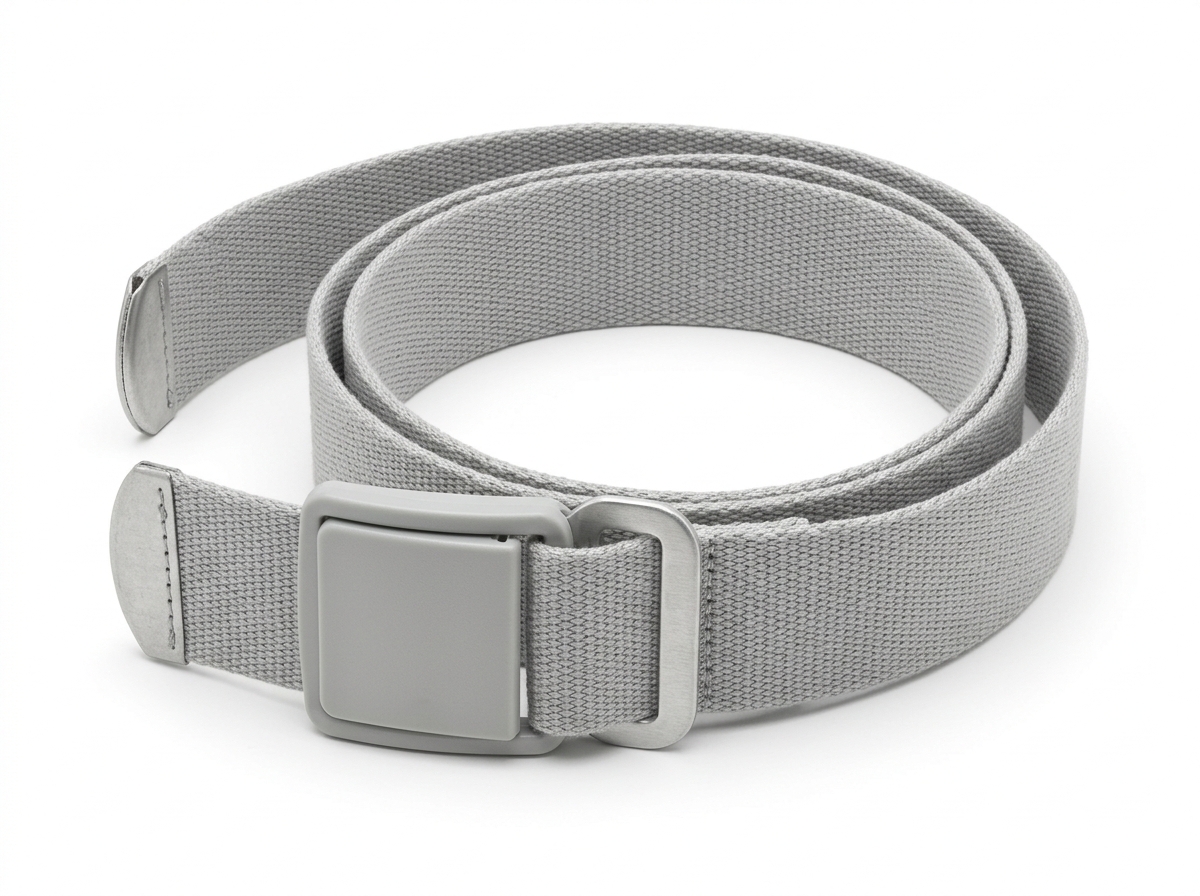
Transfer aid
Gait / transfer belt
The one piece of equipment a dependent pivot needs, and the thing that gives you a controlled handhold instead of a fistful of clothing.
- What it does here
- Gives you a firm hold at the waist so you can control the direction of the pivot
- What it does not do
- It is not a lifting device. Check the label and instructions on your own belt for what it is rated to do.
- Sizing
- By waist measurement taken over clothing, not by clothing size
- Before every use
- Check the webbing for fraying, the stitching for pulls, and the buckle for a firm hold
- Where it sits
- Over clothing, above the hips and below the ribcage. Never against bare skin.
Honest limitation: a belt does nothing about the fact that your body is the lift in this transfer. If the person can take no weight at all through their legs, or if you are straining, no belt makes the pivot safe. That is a full-body lift, not a better belt. Full fitting detail is on our gait belt guide.
We earn a commission on this link. It does not change the price you pay, and it does not influence which equipment we cover.
When this stops working
A dependent pivot lasts as long as you can control their weight through your own legs without pain, and as long as they can tolerate being brought upright. Once your back or shoulders hurt after transfers, once it takes both of you every single time, or once they slide down through your arms, the technique has run out.
The next step is a full-body lift, which takes your back out of the movement completely. Families almost always wait too long, and a caregiver back injury takes both of you out at the same time. Price one before you need it, and see what else is available on the transfers and lifts catalog.
Common questions
How many caregivers does a dependent pivot transfer need?
Plan for two. One person is only reasonable when you can control the whole movement through your own legs without straining, they tolerate sitting upright at the seat edge, and the two surfaces are level and almost touching. If any of that is not true, wait for a second person rather than trying it alone.
Can I lift them with the gait belt during the pivot?
No. The belt is a handhold for controlling direction. It is not rated to carry a person’s body weight. The load goes through your legs, and if your legs cannot take it, the answer is a full-body lift rather than a firmer grip on the belt.
Which surfaces can I pivot between?
Surfaces at close to the same height and close together: wheelchair to bed, to a chair, or to the toilet. A meaningful height difference makes it a lift rather than a pivot, and that is outside what this technique is for.
Do I need to be taught this in person?
Yes. Ask a physical or occupational therapist to watch you do it with your own equipment and your own person. This page is a reminder of the sequence and the risks, not a substitute for hands-on training.