
Manual transfers
How to Do a Stand Pivot Transfer Safely
A stand pivot transfer moves someone between two seated surfaces, a wheelchair and a bed for example. They stand, turn with small steps, and sit again. It only works if they can take weight through their legs, push with their arms, and follow instructions. You steady them with a gait belt while they push up. If their legs will not hold them, use a stand assist or a lift.
Show guidance for someone who
Demonstration of a wheelchair to bed stand pivot with a gait belt. Captions and full transcript below.
Before you start
- They can push up through their legs today, and can hear and follow a simple count
- The floor between the two surfaces is clear of rugs, cords, shoes, and pets
- The chair is parked at a slight angle to the bed, as close as it will go
- Footplates are off or swung clear, and the armrest on the transfer side is out of the way
- The gait belt is checked for frayed webbing and a buckle that holds
- You have read the manual for your own chair and belt, releases and brakes differ by model
The procedure
Say the whole sequence out loud
Before you touch them, tell them where they are going, what you will count, and what you need them to do with their hands.
A stand pivot only works if they push at the same moment you steady. Someone who does not know the plan pushes late or pulls against you.
Lock the brakes
Set the brake on both wheels and push down on the seat to confirm the chair does not creep.
A chair that rolls backward as they rise leaves them with nothing underneath and nothing to sit back down onto.
Fit the gait belt at the waist
Put the belt around their waist over their clothing, snug enough that your flat hand just slides underneath. Full fitting detail is in our guide to using a gait belt.
A loose belt rides up under the arms at the exact moment you need to steady a wobble.
Bring them to the front edge of the seat
Help them move forward on the seat until they are sitting at the front edge with their shoulders slightly ahead of their hips.
Standing from the back of a seat means lifting them up and forward. From the front edge, the lean does most of that work.
Set your own stance
Stand close in front of them with your feet about shoulder width apart, your knees bent, and your back straight.
Bent knees lower your center of gravity so your legs absorb any wobble. Standing with straight legs sends it into your lower back.
Count them into the stand
Count to three out loud, hold the belt at their sides or back, and let them push up with their hands and their legs while you steady them.
The belt steadies, it never lifts body weight. If you are the one bringing them up, stop the transfer, sit them back down, and use a stand assist or a lift instead.
Step your feet around, do not twist
Pivot by moving your own feet toward the new surface in small steps, turning your whole body with theirs.
Twisting at the waist while holding someone is the single most common way caregivers injure their backs during a transfer.
Lower them by bending your knees
Once they are over the bed or the chair seat, bend your knees to bring them down in one slow, controlled motion.
Take the belt off once they are settled
Adjust their position until they are comfortable and stable, tell them you are removing the belt, then unfasten it before you walk away.
Use caution
- Their strength changes from day to day. Check what they can do today before you assume yesterday’s transfer still works.
- Do not rush. Speed is where the mistakes come from, and there is no prize for a fast transfer.
- If their weight or their balance means you cannot control the movement, get a second person. Do not try it alone to save time.
- Reading this is not the same as being taught. Ask a physical or occupational therapist to watch you do it once before you rely on it.
Stop and get help
- Their legs buckle, or they cannot push up through them at all
- They cannot follow the count or take in what you are asking them to do
- They say anything hurts, feels wrong, or makes them dizzy
- You find yourself taking their weight through the belt rather than steadying it
- You are holding them up and cannot get them safely to either surface
Print the nine-step checklistOne page, large type, tape it to the wall by the bed.
Is a stand pivot the right transfer today?
Three things have to be true. They can take some weight through their legs. They have enough arm strength to push off a bed or an armrest. They can hear your instructions and act on them. Lose any one of those and the stand pivot stops being safe, no matter how well you do the steps.
What the stand pivot buys you is a transfer that needs no equipment beyond a belt, which matters in a bathroom or a bedroom too tight for a floor lift. It also keeps them working, standing, and taking part in their own care instead of being moved.
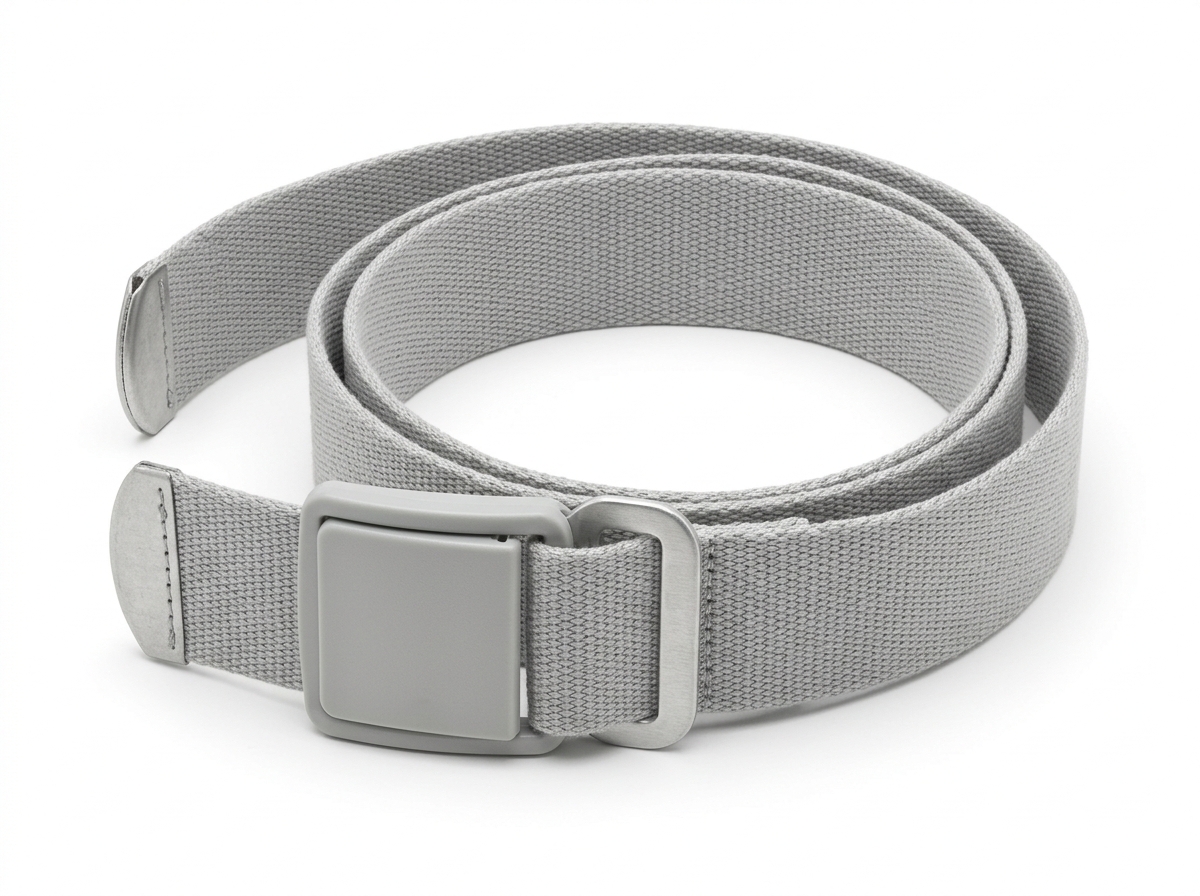
Transfer aid
Gait / transfer belt
The only equipment a stand pivot requires, and the thing that gives you a controlled handhold instead of a fistful of clothing.
- Where it sits
- Around the waist over clothing, above the hips and below the ribcage
- Fit check
- Your flat hand should just slide between the belt and their body
- Sizing
- By waist measurement taken over clothing, not by clothing size
- Handles
- Optional. Worth it if your own grip strength is limited.
- Before every use
- Check the webbing for fraying and the buckle for damage, and follow the care instructions on your own belt’s label
Honest limitation: a belt gives you control, not strength. It is not rated to take a person’s body weight, so it does nothing for the one situation you are most afraid of, the moment their legs stop holding them halfway up.
We earn a commission on this link. It does not change the price you pay, and it does not influence which equipment we cover.
When this stops working
The stand pivot ends when they can no longer come all the way up, or can no longer take those small steps. The next step down in ability is a squat pivot transfer, where they stay in a half-standing crouch and you move them across in an arc. After that, a full-body lift takes the transfer out of your back entirely.
Common questions
What is the difference between a stand pivot and a squat pivot?
In a stand pivot they come all the way up to standing and take small steps around with you. In a squat pivot they stay in a half-standing crouch and their feet barely leave the floor. The squat pivot is the option once standing fully is no longer possible.
Can I do a stand pivot on my own?
Often yes, if they can genuinely push up through their legs and follow your count. But if their weight or their balance means you cannot control the movement, use a second person. Ask a therapist to watch you before you decide you are safe alone.
Do I have to use a gait belt?
Use one. Without it you end up holding an arm or a handful of clothing, which is how shoulders get hurt and how grips slip. Read how to fit a gait belt first, and remember it steadies, it never lifts.
Why park the wheelchair at an angle instead of straight on?
An angle shortens the arc you have to turn them through, so there is less pivot and less time on their feet. Get the chair as close to the other surface as it will go for the same reason.